Films
3 films
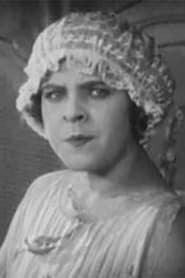
About Doris Baker
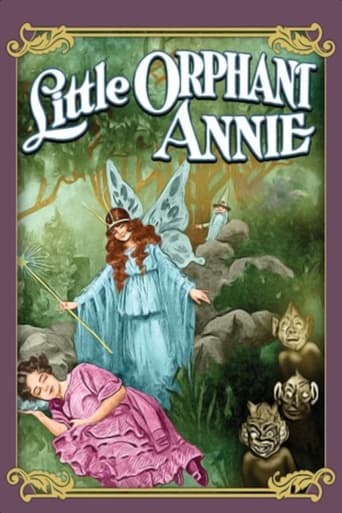
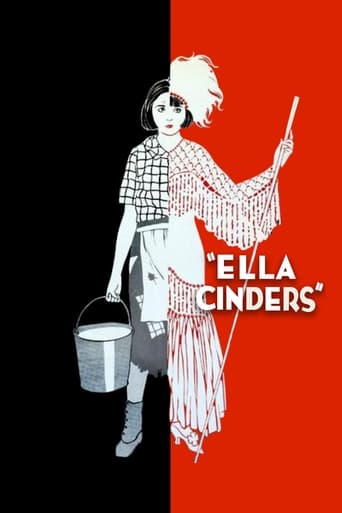
American actress who worked during the silent film era, primarily in the late 1910s and 1920s. Doris appears in supporting roles in several notable productions, with her most recognized performances being in Little Orphant Annie (1918) and Ella Cinders (1926). Baker was part of the vast ensemble of character actors who populated Hollywood's silent era, often playing friends, relatives, or background characters who helped advance the narrative. Like many actors of her generation, her career was significantly impacted by the transition to sound films in the late 1920s. Her filmography, while not extensive, represents the typical career trajectory of a working actress in early Hollywood who found steady employment but never achieved leading lady status. After 1926, records of her film appearances become scarce, suggesting she may have left the industry as the silent era drew to a close.
The Craft
On Screen
Typical of silent era supporting actresses, with expressive facial acting and pantomime skills essential for conveying emotion without dialogue
Milestones
- Appeared in Little Orphant Annie (1918)
- Featured in Ella Cinders (1926)
- Supporting actress in silent film era
Best Known For
Iconic Roles
Must-See Films
Why They Matter
Impact on Culture
Doris Baker represents the hundreds of working actors who formed the backbone of Hollywood's silent era, contributing to the success of major productions without achieving individual fame. Her appearances in notable films like Little Orphant Annie and Ella Cinders demonstrate the collaborative nature of early cinema, where even small roles were essential to the storytelling process. As part of the silent film generation, she experienced the dramatic technological and artistic changes that transformed Hollywood in the late 1920s.
Lasting Legacy
While Doris Baker did not achieve lasting fame, her contributions to silent cinema are preserved in the films that survive from that era. She serves as an example of the typical career path for many actors in early Hollywood - steady work in supporting roles, participation in notable productions, but ultimately overshadowed by the transition to sound and the emergence of new stars. Her legacy is tied to the preservation of silent films and the ongoing scholarly interest in cataloging the contributions of all participants in early cinema.
Who They Inspired
As a supporting actress rather than a star, Doris Baker's influence was primarily through her contributions to the ensemble performances of her films rather than through mentoring or directly influencing other performers. Her work exemplifies the craft of silent film acting at the supporting level, helping to create the characters that made silent films engaging for audiences.
Off Screen
Very limited information is available about Doris Baker's personal life, which was typical for supporting actors of the silent era who did not achieve major stardom.
Did You Know?
- Appeared in two notable silent films that have survived to the present day
- Part of the large community of working actors during Hollywood's silent era
- Her active years covered the peak years of American silent cinema
- Like many silent era actors, her career appears to have ended with the transition to sound films
- Representative of the hundreds of character actors who were essential to early Hollywood productions but never became household names
Frequently Asked Questions
Who was Doris Baker?
American actress who worked during the silent film era, primarily appearing in supporting roles in films like Little Orphant Annie (1918) and Ella Cinders (1926). She was one of many working actors who contributed to Hollywood's early cinema without achieving major stardom.
What films is Doris Baker best known for?
Titles linked here include Little Orphant Annie (1918), Ella Cinders (1926).
When was Doris Baker active in films?
Doris Baker was active in the film industry from approximately 1918 to 1926, covering the peak years of American silent cinema. Her career appears to have ended around the time of the transition to sound films.
What type of roles did Doris Baker typically play?
Doris Baker typically played supporting roles as a character actress in silent films. She was part of the ensemble casts that helped advance the narratives of the productions she appeared in.
Why is detailed information about Doris Baker limited?
Detailed information about Doris Baker is limited because she was a supporting actress rather than a major star, and comprehensive records were not always maintained for character actors of the silent era. Many such actors left behind minimal biographical documentation.