Films
1 film
About Otto Treptow
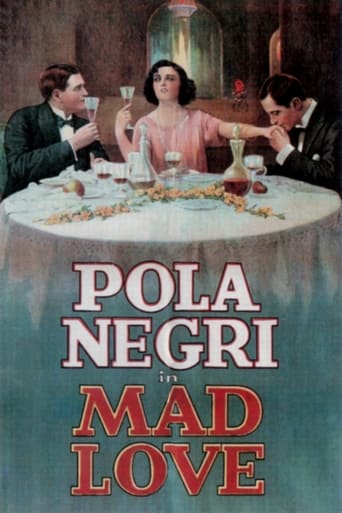
Otto Treptow worked on one surviving credit: Mad Love (1921). His known filmography consists primarily of his appearance in the 1921 film 'Mad Love,' suggesting he was likely a character actor or bit player in the German film industry. The year 1921 was a significant period in German cinema, during the golden age of German Expressionist filmmaking, though Treptow's work appears to be outside the major Expressionist productions. Like many actors of his era, his career was likely brief and undocumented, as the film industry was still establishing itself and many performers appeared in only a handful of films before pursuing other careers. The lack of extensive documentation about his life and career is typical for minor actors of the silent period whose contributions were not preserved in film archives or historical records. His single known credit places him within the vibrant but challenging landscape of post-WWI German cinema, where countless actors contributed to the medium's development.
The Craft
Milestones
- Appeared in 'Mad Love' (1921) during the German silent film era
Best Known For
Must-See Films
Why They Matter
Impact on Culture
Otto Treptow represents the countless anonymous actors who contributed to the early German cinema during its golden age. While his individual impact may be minimal due to his limited filmography, he was part of the broader cultural movement that established Germany as a cinematic powerhouse in the 1920s. The era in which he worked saw the emergence of German Expressionism and innovative filmmaking techniques that would influence cinema worldwide. Actors like Treptow, though often forgotten, formed the essential supporting casts that brought the visions of directors to life, contributing to the artistic and technical innovations that defined early 20th century European cinema.
Lasting Legacy
Otto Treptow's legacy is primarily archival, representing the vast number of early film performers whose contributions exist only in fragmentary records. His single known credit in 'Mad Love' (1921) shows the thousands of actors who participated in cinema's formative years but whose names and stories have been largely lost to history. While he may not have achieved lasting fame, his inclusion in film history underscores the collaborative nature of filmmaking and the importance of even the smallest roles in creating the cinematic works that have endured. His story highlights the challenges of film preservation and historical documentation for minor figures from the silent era.
Who They Inspired
As a minor actor with limited documented work, Otto Treptow's direct influence on other performers or filmmakers cannot be specifically traced. However, as part of the German film industry during its creative peak, he contributed to the ecosystem that nurtured legendary directors and actors who would shape international cinema. The collective work of actors like Treptow helped establish the professional standards and artistic traditions that subsequent generations of German and international filmmakers would build upon.
Off Screen
Very little is documented about Otto Treptow's personal life, which is typical for minor actors from the silent film era whose biographical information was not preserved in historical records.
Did You Know?
- Otto Treptow's entire known film career spans only one year - 1921
- He appeared during the height of German Expressionist cinema, though his known work was not part of that movement
- The lack of documentation about his life is typical for bit players in silent era German cinema
- 1921 was a pivotal year in German film history, with classics like 'The Cabinet of Dr. Caligari' having been released the previous year
- Many German actors from this period had their careers disrupted by the political and economic turmoil of the 1920s and 1930s
- Silent era actors often had to transition to other professions as sound technology changed the industry
- Film archives from this period are often incomplete, especially for minor productions and supporting actors
Frequently Asked Questions
Who was Otto Treptow?
Screen credits include the 1921 film 'Mad Love.' He was likely a minor or character actor whose career was brief and largely undocumented, typical of many performers from early German cinema.
What films is Otto Treptow best known for?
Titles linked here include Mad Love (1921).
When was Otto Treptow born and when did he die?
The birth and death dates of Otto Treptow are not documented in available historical records, which is common for minor actors from the silent era whose biographical information was not preserved.
What awards did Otto Treptow win?
There are no recorded awards or nominations for Otto Treptow, which is typical for supporting or bit players in early German cinema who rarely received formal recognition for their work.
What was Otto Treptow's acting style?
Due to the lack of documentation about his work and the absence of surviving films featuring his performances, Otto Treptow's specific acting style cannot be determined from available historical records.
Why is so little known about Otto Treptow?
The scarcity of information about Otto Treptow reflects the broader challenge of documenting minor actors from the silent era. Many performers from this period had brief careers, worked in productions that may no longer exist, and their contributions were not preserved in film archives or historical documentation.