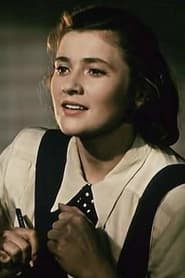
Marina Kovalyova
Actor
Born: 1928 in Moscow, Soviet Union Active: 1940-1942 Birth Name: Marina Ivanovna Kovalyova
Films
3 films
About Marina Kovalyova
Soviet child actress who gained recognition during the early 1940s for her memorable performances in several notable Soviet films. Her career, though brief, left a lasting impression on Soviet cinema, particularly through her role in the Timur film series, which became cultural touchstones for Soviet youth. Kovalyova's natural acting style and youthful charm made her perfectly suited for the spirit and idealism that characterized Soviet cinema of this era. Her performance in 'The Humpbacked Horse' (1941) showcased her versatility beyond the Timur series, demonstrating her ability to handle both contemporary and fantastical roles. Though her film career was concentrated primarily between 1940-1942, coinciding with the early years of World War II, her work during this period contributed significantly to the morale-boosting films that were crucial to Soviet wartime cinema. After her brief acting career, Kovalyova largely disappeared from the public eye, as was common with many child actors of the Soviet era who did not continue in the film industry.
The Craft
On Screen
Natural and sincere, embodying the idealistic Soviet youth archetype with genuine emotion and authenticity
Milestones
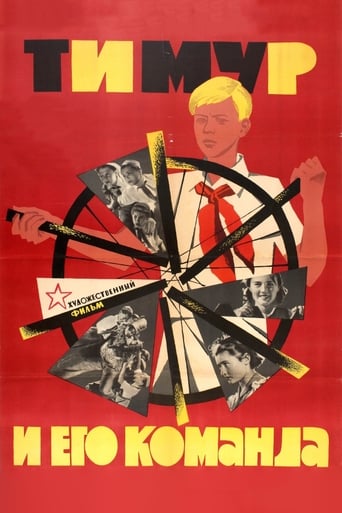
- Starred in 'Timur and His Team' (1940),
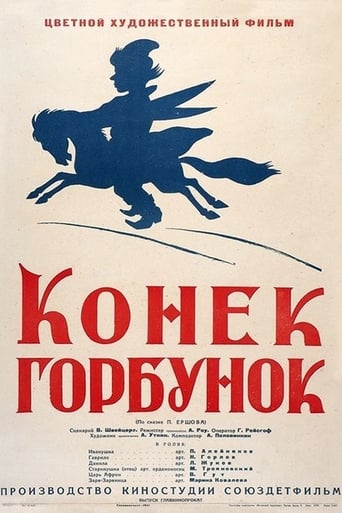
- Appeared in 'The Humpbacked Horse' (1941), a classic Soviet fairy tale adaptation
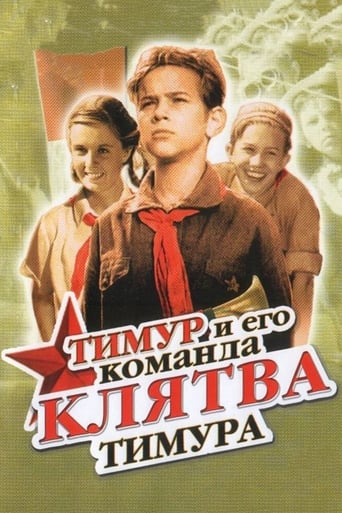
- Reprised her role in 'Timur's Oath' (1942), the sequel to the original Timur film
- Became a recognizable face for Soviet children during the wartime period
Best Known For
Iconic Roles
Must-See Films
Accolades
Special Recognition
- Recognized as part of Soviet cinema's golden age of children's films
Working Relationships
Worked Often With
Studios
Why They Matter
Impact on Culture
Marina Kovalyova's performances, particularly in the Timur film series, became integral to Soviet cultural identity during World War II and beyond. The Timur character and stories represented the ideal Soviet youth - patriotic, helpful, and dedicated to collective good - and Kovalyova's portrayal helped cement these values in the minds of Soviet children. Her films were among the most frequently shown in Soviet schools and pioneer organizations for decades, making her face familiar to generations of Soviet youth. The Timur movement, inspired by the films, led to real-life children's groups across the Soviet Union performing similar community service activities, demonstrating the direct social impact of her work.
Lasting Legacy
Though her career was brief, Marina Kovalyova remains an important figure in the history of Soviet children's cinema. Her films continue to be regarded as classics of the genre, with 'Timur and His Team' often cited as. The character she portrayed contributed to the creation of a cultural archetype that influenced Soviet education and youth organizations for decades. Her work serves as a valuable time capsule of Soviet cinema during the wartime period, preserving the artistic and ideological values of that era.
Who They Inspired
Kovalyova's naturalistic acting style as a child performer influenced subsequent generations of Soviet child actors, who were often encouraged to emulate her sincerity and authenticity. The success of her films helped establish the template for Soviet children's cinema that balanced entertainment with ideological education. Her performances demonstrated how child actors could effectively convey complex patriotic and social themes without appearing artificial or preachy.
Off Screen
Marina Kovalyova was born in Moscow in 1928 and began her acting career as a child during a pivotal period in Soviet history. Like many child actors of her era, she was discovered through talent searches conducted by Soviet film studios seeking authentic young performers. Her brief career coincided with the outbreak of World War II, which influenced the patriotic and collective themes of the films she appeared in. After her acting career ended in the early 1940s, she largely retreated from public life, as was common for child actors in the Soviet system who did not transition to adult roles.
Education
Likely attended regular Soviet school system while filming, specific educational institutions not documented
Did You Know?
- Her film career lasted only three years but produced three of the most memorable Soviet children's films
- The Timur films she starred in inspired a real youth movement across the Soviet Union
- Her films were among the few Soviet productions that continued during the difficult early years of World War II
- The Humpbacked Horse (1941) was one of the first Soviet color films, making her one of the early child actors to appear in color
- Like many Soviet child actors, she did not continue acting into adulthood
- Her films were regularly shown on Soviet television for decades after their release
- The Timur character she portrayed became a cultural reference point in Soviet literature and media
- Her performances were studied in Soviet film schools as examples of effective child acting
- The films she appeared in were among the few Soviet children's films to receive international distribution during the 1940s
Frequently Asked Questions
Who was Marina Kovalyova?
Soviet child actress active in the early 1940s, best known for her starring role in the Timur film series and the classic fairy tale adaptation 'The Humpbacked Horse' (1941). Her brief but impactful career coincided with World War II and produced some of the most beloved Soviet children's films of the era.
What films is Marina Kovalyova best known for?
Titles linked here include Timur and His Team (1940), The Humpbacked Horse (1941).
When was Marina Kovalyova born and when did she die?
Born 1928; died death date not listed.
What awards did Marina Kovalyova win?
Specific awards for Marina Kovalyova are not documented, which was typical for Soviet child actors of her era. However, the films she appeared in, particularly the Timur series, were recognized as significant contributions to Soviet cinema and became cultural touchstones that were honored through their enduring popularity and cultural impact.
What was Marina Kovalyova's acting style?
Marina Kovalyova's acting style was characterized by naturalism and sincerity, embodying the idealistic Soviet youth archetype with genuine emotion. Her performances avoided artificiality while effectively conveying the patriotic and collective values central to Soviet children's cinema of the wartime period.
What was the cultural impact of Marina Kovalyova's films?
Kovalyova's films, especially the Timur series, had a profound cultural impact in the Soviet Union, inspiring real youth movements and becoming essential viewing in Soviet schools. The films shaped generations of Soviet children's understanding of patriotism, community service, and collective responsibility, while also serving as important morale-boosting entertainment during World War II.