George Wynn
Actor
- Active
- 1922-1922
Films 1
About George Wynn
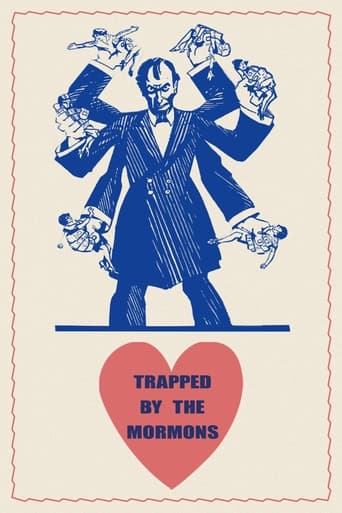
George Wynn was a British silent-era actor best remembered today for his appearance in the 1922 film Trapped by the Mormons, a sensational melodrama that survives chiefly as an example of early British exploitation cinema. Very little reliably documented biographical information has survived about him, and his career appears to have been brief or at least only sparsely recorded in surviving film references. He is one of many performers from the silent period whose screen work is preserved in fragmentary credits rather than in a substantial biographical record. Because the historical record is so limited, details such as his birth, death, training, and personal life remain unconfirmed in standard reference sources. His surviving film association suggests that he worked in the British film industry during the early 1920s, a period when studios frequently relied on stage-trained or locally available performers for low-budget productions. George Wynn’s name endures mainly through film historians and archive catalogs rather than through a large body of documented work. In classic-cinema history, he represents the many unheralded supporting performers whose names remained attached to films even when their personal histories were not extensively preserved.
More about George Wynn
On screen
No reliable contemporary descriptions of George Wynn’s acting style survive in standard reference material. Based on his participation in silent-era melodrama, his performance would have relied on the expressive, visually legible style common to the period, using gesture, facial expression, and physical emphasis to convey character and emotion. Because no reviews or detailed role analyses are readily preserved for him, any further characterization would be speculative.
In film history
George Wynn’s cultural impact is best understood as archival rather than celebrity-driven: he is part of the scattered cast history of early British silent cinema, which survives unevenly and often without full biographical documentation. His presence in Trapped by the Mormons links him to a film that has attracted attention from historians studying sensationalism, religious themes, and regional production practices in the British film industry. Even though he does not appear to have been a star, his credit contributes to the reconstruction of silent-film production networks and performance culture.
Later reputation
His legacy lies in the fact that his name remains attached to a surviving film record from the silent era, allowing modern researchers to identify him as part of early British cinema history. For film historians and archivists, such names are valuable because they help reconstruct the labor and casting practices of productions that were otherwise lightly documented. George Wynn’s enduring significance is therefore tied to historical preservation and to the broader effort of recovering the identities of forgotten silent-era performers.
Influence
No direct evidence survives of George Wynn influencing later actors or directors in a measurable way. His importance is indirect: by being part of the surviving cast record for an early 1920s film, he contributes to the broader understanding of performance conventions and casting in silent British cinema. Any influence would have been through participation in the era’s standard expressive acting traditions rather than through a documented personal legacy.
Off screen
No dependable biographical record of George Wynn’s personal life is readily available in standard film references. Information about marriages, children, family background, residence, or education has not been clearly documented in the surviving public record associated with his screen career. As with many minor silent-era players, the historical record preserves his credit but not the private details of his life.
Credits
- Appeared in the 1922 British silent film Trapped by the Mormons
- Participated in one of the better-known sensational melodramas of early 1920s British cinema
- Represents the surviving credited cast record of an otherwise poorly documented silent-era performer
Roles
- A cast member in Trapped by the Mormons (1922)
Films
- Trapped by the Mormons (1922)
Notes
- George Wynn is chiefly remembered today because of a single surviving credit rather than a long documented filmography.
- He appeared in Trapped by the Mormons, a 1922 silent British melodrama often discussed for its sensational subject matter.
- His biographical details are scarce enough that many standard reference sources do not provide a birth or death date.
- He is an example of how many silent-era supporting players remain known only through film credits and archive records.
- His credited work belongs to the early 1920s, when the British film industry was still developing a stable star system.
- Because his surviving record is minimal, he is of particular interest to historians who study lost or partially documented performers.
Questions
Who was George Wynn?
George Wynn was a British silent-era actor whose name is preserved primarily through his credited appearance in Trapped by the Mormons (1922). He does not appear to have a widely documented surviving biography, which is common for many minor performers from the silent period.
What films is George Wynn best known for?
He is best known for Trapped by the Mormons (1922), which is the major surviving credit associated with his name. No additional film titles are reliably documented in the available reference record.
When was George Wynn born and when did he die?
At present, George Wynn’s birth and death dates are not reliably documented in standard reference sources. The surviving record identifies him as a British actor from the silent era, but does not provide verified vital statistics.
What awards did George Wynn win?
No awards or major honors are documented for George Wynn in the surviving historical record. He appears to have been a minor credited performer rather than a widely recognized award recipient.
What was George Wynn’s acting style?
No detailed contemporary criticism of George Wynn’s acting style has survived, but as a silent-era performer he would have worked in the expressive visual style typical of the period. That generally meant clear gesture, readable facial expression, and a strong physical presence to communicate emotion without spoken dialogue.
What is George Wynn’s legacy in film history?
His legacy is mainly archival: he remains part of the cast record of an early British silent film and therefore contributes to the historical reconstruction of the period. Even when detailed biographical information is missing, such credited names help scholars understand the people who made silent cinema possible.