
Cecil Morton York
Actor
- Active
- 1922-1922
Films 1
About Cecil Morton York
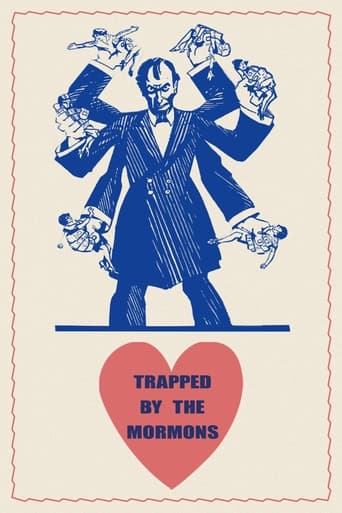
Cecil Morton York is a little-documented silent-era screen actor best known for appearing in the controversial British fantasy-horror feature Trapped by the Mormons (1922). Surviving film reference sources indicate that his known film career is extremely brief, and at present he is chiefly remembered as part of the cast of that early-1920s production rather than as a star with a long surviving screen record. Because the historical record on him is sparse, many standard biographical details such as his date and place of birth, family background, and later life remain unverified in accessible archival sources. His name appears in film histories and cast records connected to Trapped by the Mormons, a film that has attracted later attention for its sensational anti-Mormon subject matter and as an example of exploitation cinema in the British silent era. Beyond that single documented screen credit, there is no widely established evidence of a broader filmography or of major work in stage, directing, or production. He therefore occupies the category of many early cinema performers whose careers are partially lost to incomplete studio records and the general attrition of silent-film documentation. In film-historical terms, York is significant mainly as a representative of the many minor performers who helped populate silent pictures but whose personal histories have largely vanished from the record.
More about Cecil Morton York
In film history
Cecil Morton York's cultural impact is indirect rather than star-driven: he is part of the historical tissue of silent cinema that made possible the full texture of early film production, especially in low-budget and sensational melodrama. His name survives because Trapped by the Mormons has continued to be discussed in film history as an example of British exploitation cinema and as a reflection of period attitudes, publicity tactics, and censorship anxieties. Even without a large known body of work, performers like York are important to researchers because they help anchor production records and cast lists that illuminate how silent films were made and exhibited. His presence in the surviving record contributes to the broader understanding that many early film careers were brief, regional, or underdocumented, yet still essential to the industrial life of cinema. In that sense, York's cultural footprint is tied less to celebrity than to archival significance and the preservation of silent-film history.
Later reputation
York's lasting legacy lies in his status as a documented participant in an important silent-era curiosity rather than as a widely celebrated screen personality. Trapped by the Mormons remains the key surviving reference point for his career, so his name persists wherever the film is discussed, cataloged, or preserved in reference databases. His case also illustrates a major challenge in silent-film historiography: many actors who appeared in notable productions have left behind only fragmentary traces, requiring careful distinction from others with similar names. As such, York is remembered primarily by film scholars, archivists, and database compilers who reconstruct cast lists and production histories from incomplete records. His legacy is therefore archival and historical, helping illuminate the breadth of personnel involved in early British cinema.
Influence
There is no evidence that Cecil Morton York directly influenced later actors or filmmakers in the manner of a major star or auteur. His influence is better understood through the historical record of participation: by appearing in a film that survives in discussion and memory, he becomes part of the cast network through which silent-era performance practices can be studied. For modern researchers, the value of his credit is in contextualizing the style, casting, and production methods of early 1920s British screen drama. In that sense, his contribution is cumulative rather than individually transformative. He stands as one of many working actors whose performances supported the development of genre cinema and exploitation storytelling in the silent period.
Off screen
No reliable public biographical information has been identified regarding Cecil Morton York's personal life, including his family background, marriages, children, residence, or activities outside the film industry. Like many silent-era minor players, he may have worked under conditions that were poorly documented by studios and trade publications, making later reconstruction difficult. At present, no verified personal-life details can be stated with confidence without risking confusion with similarly named individuals.
Credits
- Appeared in the silent film Trapped by the Mormons (1922)
- Associated with one of the best-known sensational British exploitation titles of the silent era
- Represents the small group of early cinema performers whose surviving credit record is limited to a single confirmed film appearance
Roles
- Role in Trapped by the Mormons (1922) - exact character name not readily verifiable in surviving accessible sources
Films
- Trapped by the Mormons (1922)
Notes
- Cecil Morton York is chiefly associated with a single surviving film credit, Trapped by the Mormons (1922).
- His record is a good example of how many silent-era performers are known today only through cast listings and archival databases.
- Trapped by the Mormons is remembered as a sensational and controversial British silent feature, which gives York's sole known credit unusual historical interest.
- No verified birth or death information is readily available in standard public film references.
- He should not be confused with later performers or other individuals with similar names; the historical record for this exact person is limited.
- His filmography as currently known is extremely brief, with no widely confirmed additional screen appearances.
- Because of incomplete surviving documentation, even his exact role in Trapped by the Mormons is not consistently detailed across accessible sources.
Questions
Who was Cecil Morton York?
Cecil Morton York was a silent-era actor known primarily for appearing in Trapped by the Mormons (1922). He is a relatively obscure figure in film history, and the surviving record on his life and career is very limited. Most of what is known today comes from cast lists and archival film references.
What films is Cecil Morton York best known for?
He is best known for Trapped by the Mormons (1922), which appears to be his principal surviving screen credit. No other widely confirmed film appearances are readily documented in accessible historical sources. As a result, that title is the central reference point for his career.
When was Cecil Morton York born and when did he die?
At present, his birth and death dates are not reliably documented in the accessible record. The same is true for his place of birth and place of death, if applicable. He remains one of the many early film performers whose personal details have not survived clearly in public sources.
What awards did Cecil Morton York win?
No awards or formal honors are currently documented for Cecil Morton York. Given the brevity and obscurity of his known screen career, there is no evidence of major industry recognition. His historical importance is primarily archival rather than award-based.
What was Cecil Morton York's acting style?
There is not enough surviving evidence to describe a distinct personal acting style with confidence. As a silent-film performer in a 1922 production, he would have worked within the visual, expressive conventions of the era. Any further assessment would require surviving prints, reviews, or detailed contemporary commentary.
What is Cecil Morton York's legacy in film history?
His legacy is mainly historical and archival. He is remembered as part of the cast of a notable British silent film and as an example of the many early actors whose careers are only partially documented. His name helps scholars and databases reconstruct the personnel of lost or obscure cinema.