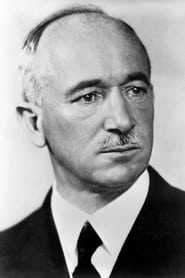
Edvard Beneš
Actor
Born: May 28, 1884 in Kožlany, Bohemia, Austria-Hungary (now Czech Republic) Died: September 3, 1948 Active: 1943-1943 (film appearance only)
Films
1 film
About Edvard Beneš
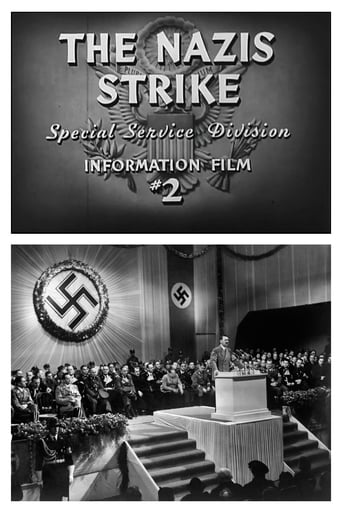
Edvard Beneš was not an actor but a prominent Czechoslovak statesman who served as the second President of Czechoslovakia from 1935-1938 and again from 1945-1948. He was a key figure in Czech and European politics during the turbulent period between the World Wars. His appearance in 'Why We Fight: The Nazis Strike' (1943) was through archival footage, not as a professional actor. Beneš — diplomat, politician, and scholar who in the formation of the Czechoslovak state and its foreign policy. He led the Czechoslovak government-in-exile during World War II from London, working closely with Allied leaders. After the war, he returned to lead his country but faced increasing pressure from the Soviet Union and Czech communists. He resigned in 1948 following the communist coup and died shortly thereafter.
The Craft
Milestones
- Served as Foreign Minister of Czechoslovakia (1918-1935)
- Became President of Czechoslovakia (1935-1938)
- Led Czechoslovak government-in-exile during WWII (1939-1945)
- Re-elected as President after WWII (1945-1948)
- Signed the Munich Agreement aftermath
- Resigned following communist takeover (1948)
Best Known For
Iconic Roles
Must-See Films
Accolades
Won
- Order of the White Lion (Czechoslovakia)
- Order of the Garter (United Kingdom)
- Legion of Honor (France)
Special Recognition
- Multiple international honors for statesmanship
- Honorary doctorates from various universities
Why They Matter
Impact on Culture
Edvard Beneš's appearance in Frank Capra's 'Why We Fight' series represents how political leaders were incorporated into wartime propaganda to lend authenticity and gravitas to the Allied cause. His inclusion in these documentaries helped educate American audiences about the European political situation and the Nazi threat. As a symbol of Czechoslovak resistance and democracy, his image in these films served to humanize the struggle against fascism for Western audiences.
Lasting Legacy
Beneš is remembered as. His political philosophy of democratic socialism and European cooperation influenced post-war reconstruction efforts. Despite the communist takeover that ended his presidency, his commitment to democracy made him a symbol of Czech resistance during the Cold War.
Who They Inspired
As a political figure rather than an actor, Beneš influenced international politics and diplomacy rather than cinema. His diplomatic skills and political writings influenced generations of Czech and Slovak politicians. His government-in-exile provided a model for other occupied nations during WWII, and his post-war policies shaped Central European geopolitics for decades.
Off Screen
Edvard Beneš married Hana Vávrová in 1909, but she died in 1920. He later married Anna Vranová in 1921. He was known as a dedicated public servant who devoted his life to his country's independence and democracy. He suffered from poor health in his later years, particularly after the stress of the Munich Agreement and WWII. His brother Vojtěch Beneš was also a prominent politician.
Education
Charles University in Prague, Sorbonne University in Paris (PhD in Sociology)
Family
- Hana Vávrová (1909-1920, deceased)
- Anna Vranová (1921-1948)
Did You Know?
- Was not an actor but appeared in film through archival newsreel footage
- Spoke five languages fluently: Czech, Slovak, German, French, and English
- His signature appears on the Munich Agreement of 1938
- Fled Czechoslovakia in 1939 just before the Nazi occupation
- His Beneš decrees remain controversial in Czech-German relations today
- Died of natural causes at his estate in Sezimovo Ústí
- Was a professor of sociology before entering politics
- His government-in-exile was recognized by the Allies throughout WWII
- Never had children, making his personal life relatively private
- His brother served as Minister of the Interior in his government
In Their Own Words
I would rather be a free man in my grave than a living slave in my own country.
Democracy is not just a form of government, it is a way of life.
The Munich Agreement was not peace, it was merely the postponement of war.
A small nation must have moral courage to survive among great powers.
We have not yet learned the lesson that peace cannot be achieved by sacrificing the rights of others.
Frequently Asked Questions
Who was Edvard Beneš?
Edvard Beneš was the second President of Czechoslovakia, serving from 1935-1938 and again from 1945-1948. He was a prominent statesman, diplomat, and scholar who led his country through the Munich Agreement, World War II, and the early Cold War period.
What films is Edvard Beneš best known for?
Titles linked here include Why We Fight: The Nazis Strike (1943).
When was Edvard Beneš born and when did he die?
Born May 28, 1884; died September 3, 1948.
What awards did Edvard Beneš win?
Beneš received numerous international honors including the Order of the White Lion (Czechoslovakia's highest honor), the Order of the Garter from the United Kingdom, and the Legion of Honor from France, recognizing his diplomatic service and statesmanship.
What was Edvard Beneš's political legacy?
Beneš is remembered for his role in establishing Czechoslovakia as an independent democratic state, leading the government-in-exile during WWII, and attempting to maintain democracy in post-war Czechoslovakia despite growing Soviet pressure. His legacy includes both praise for his democratic ideals and criticism for the controversial post-war expulsions of ethnic Germans.