Films
1 film
About Li Jun
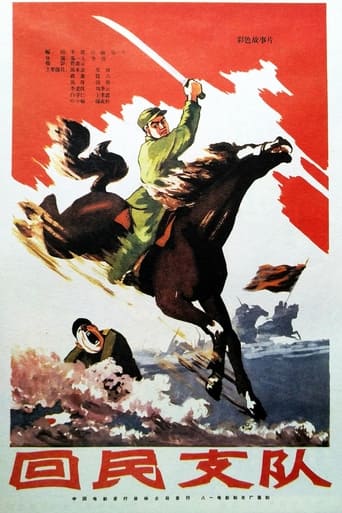
Chinese film director active during the late 1950s, a period of significant transformation in Chinese cinema following the establishment of the People's Republic of China. Very little documented information exists about Li Jun's career beyond their sole known directorial work, 'Ethnic Hui Detachment' in 1959. This film emerged during a time when Chinese cinema was heavily influenced by socialist principles and often focused on themes of ethnic unity and revolutionary spirit. Li Jun appears to have been part of the state-controlled film industry that produced works promoting the government's cultural and political messages. The director's brief documented career suggests they may have been a regional filmmaker or someone whose work was not extensively preserved or promoted beyond its initial release. Like many directors of this era in China, Li Jun's artistic vision was likely shaped by the political and social requirements of the time, with films serving both entertainment and educational purposes in service of the new socialist state.
The Craft
Behind the Camera
Likely followed socialist realist principles common in Chinese cinema of the 1950s, emphasizing collective heroism and political themes
Milestones
- Directed 'Ethnic Hui Detachment' (1959)
Best Known For
Must-See Films
Why They Matter
Impact on Culture
Li Jun's contribution to Chinese cinema appears to be limited to their work on 'Ethnic Hui Detachment,' which was part of a broader movement in 1950s Chinese filmmaking to showcase the country's diverse ethnic minorities and promote unity under the socialist system. Films of this type served both as cultural documentation and as political tools to demonstrate the harmony between different ethnic groups in the new China. While Li Jun's individual impact may have been modest, their work contributed to the larger project of creating a national cinema that reflected the multi-ethnic character of China while reinforcing political messages of unity and progress.
Lasting Legacy
Due to the limited documentation and apparent brevity of Li Jun's career, their legacy in film history remains obscure. 'Ethnic Hui Detachment' stands as their only known contribution to cinema, representing a specific moment in Chinese film history when the industry was being shaped to serve political and social objectives. The film itself is significant as part of the broader genre of ethnic minority films produced in China during this period, which attempted to balance cultural representation with political messaging.
Who They Inspired
There is no documented evidence of Li Jun's influence on other filmmakers, likely due to the limited scope and documentation of their career. Directors working in regional Chinese film studios during this period often worked in relative isolation, with their films serving immediate political and social purposes rather than establishing lasting artistic movements.
Off Screen
Very limited information is available about Li Jun's personal life, which is common for many regional or lesser-known directors from this period of Chinese cinema.
Did You Know?
- Li Jun appears to have had an extremely brief documented career, with only one film credited to their name
- 'Ethnic Hui Detachment' (1959) was released during the Great Leap Forward period in China
- The film focused on the Hui people, one of China's 56 officially recognized ethnic minority groups
- 1959 was a significant year in Chinese cinema, marking the tenth anniversary of the People's Republic of China
- Many Chinese directors from this period worked for state-run film studios
- The lack of information about Li Jun is typical for many regional filmmakers from 1950s China
- Ethnic minority films were a significant genre in early PRC cinema
- Most Chinese films from this period emphasized collective heroism over individual achievement
Frequently Asked Questions
Who was Li Jun?
Chinese on YTB.my. Very little documented information exists about their career beyond this single film, suggesting they may have been a regional or lesser-known director in the Chinese state-controlled film industry of that era.
What films is Li Jun best known for?
Titles linked here include Ethnic Hui Detachment (1959).
When was Li Jun born and when did they die?
Specific birth and death dates for Li Jun are not documented in available sources. This lack of biographical information is common for many regional Chinese directors from the 1950s whose careers were not extensively preserved in film history records.
What awards did Li Jun win?
There are no documented awards or nominations for Li Jun in available sources. Given the limited scope of their documented career and the regional nature of their work, they likely did not receive major formal recognition within the Chinese film industry or internationally.
What was Li Jun's directing style?
While specific details about Li Jun's directing style are not documented, they likely followed the socialist realist approach common in Chinese cinema of the 1950s. This style emphasized collective themes, political messaging, and educational content rather than individual artistic expression.