Films
3 films
About Charles-Lucien Lépine
Early French filmmaker who worked during the days of cinema in 1906. His brief but significant career coincided with the rapid development of narrative filmmaking in France, a period when the medium was transitioning from simple actualities to more complex storytelling. Lépine contributed to the early French film industry during its golden age of innovation, working alongside other directors who were establishing the language of cinema. His films, though few, demonstrate the experimentation and creativity characteristic of early French cinema, exploring both comedic and dramatic subjects. The fact that his works were produced in 1906 places him among the first generation of filmmakers who recognized cinema's potential as an artistic medium beyond mere novelty. While his career appears to have been brief, his work represents an important part of cinema's foundational period, capturing the spirit of innovation that defined early French filmmaking.
The Craft
Behind the Camera
Charles-Lucien Lépine's directing style reflected the experimental nature of early cinema, focusing on short narrative films that explored both comedic and dramatic themes typical of the period. His work demonstrated the emerging techniques of visual storytelling that were being developed by French pioneers of the time.
Milestones
- Directed three films in 1906 during the era of French cinema
- Contributed to early narrative film development
- Worked during the golden age of French film innovation
Best Known For
Must-See Films
Why They Matter
Impact on Culture
Charles-Lucien Lépine represents the numerous anonymous pioneers who contributed to cinema's early development during its most formative years. His work in 1906 places him among the foundational filmmakers who helped establish narrative cinema as an art form. Though his individual contributions may seem modest, they are part of the collective effort that transformed cinema from technological novelty to a medium of artistic expression. The very existence of his films demonstrates the rapid expansion of filmmaking in France during this period, when countless directors were experimenting with the possibilities of the new medium.
Lasting Legacy
The legacy of Charles-Lucien Lépine lies in his representation of the countless early filmmakers who helped build the foundation of cinema. While his name may not be as recognized as Georges Méliès or the Lumière brothers, his work contributes to our understanding of how widespread and diverse filmmaking had become by 1906. His films serve as historical artifacts that document the early evolution of cinematic storytelling and the creative explosion that characterized French cinema's period.
Who They Inspired
As an early filmmaker, Charles-Lucien Lépine's influence would have been primarily through his contribution to the collective development of cinematic language during its infancy. His work, along with that of other early directors, helped establish the basic techniques and narrative approaches that would be refined and expanded by subsequent generations of filmmakers. The experimental nature of his films reflects the period's spirit of innovation that would influence the entire trajectory of cinema history.
Off Screen
Very little is known about the personal life of Charles-Lucien Lépine, as was common for many early filmmakers whose biographical details were not extensively documented. His brief film career in 1906 suggests he may have been among the many early pioneers who contributed to cinema's development but whose personal histories remain largely unrecorded.
Did You Know?
- All of Lépine's known films were produced in a single year (1906)
- His filmography represents the typical length of early filmmaker careers, which were often brief
- The titles of his films show the range of subjects explored in early cinema, from supernatural to social issues to comedy
- He worked during what many consider the golden age of French film innovation
- His career coincided with the period when French cinema dominated global film production
- The limited documentation of his life is typical of many early film pioneers
- His films were created just over a decade after the Lumière brothers' first public screening
- The variety of his film subjects demonstrates the early exploration of different genres in cinema
Frequently Asked Questions
Who was Charles-Lucien Lépine?
Early French on YTB.my. He directed three short films during this brief but crucial period in film history, contributing to the early development of narrative cinema in France.
What films is Charles-Lucien Lépine best known for?
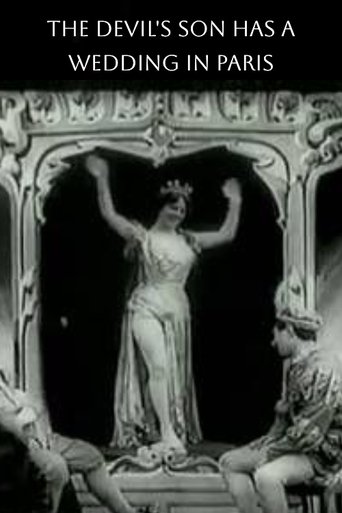
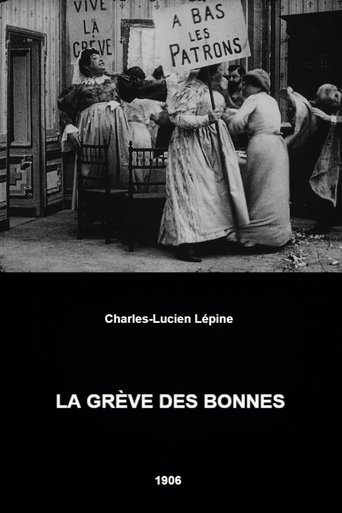
Titles linked here include The Devil's Son Has a Wedding in Paris (1906), The Maids' Strike (1906).
When was Charles-Lucien Lépine active as a filmmaker?
Charles-Lucien Lépine was active exclusively in 1906, making him part of the first generation of filmmakers who worked during cinema's earliest years of development as a narrative medium.
What was significant about Charles-Lucien Lépine's work?
Lépine's work is significant because it represents the widespread experimentation and creativity happening in French cinema during its period. His films demonstrate how quickly cinema evolved from simple actualities to more complex narrative storytelling.
Why is so little known about Charles-Lucien Lépine?
The limited information about Lépine is typical of many early filmmakers, as detailed biographical records were not commonly kept for cinema pioneers during the medium's earliest years. Many early directors worked briefly and their personal histories were not extensively documented.