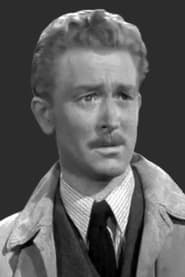
Carl Harbord
Actor
Born: January 10, 1888 in London, England Died: October 18, 1951 Active: 1929-1946
Films
2 films
About Carl Harbord
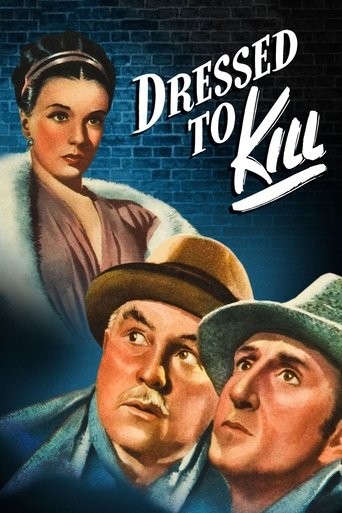
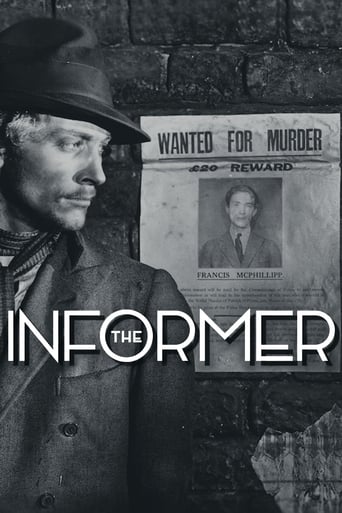
British character actor who enjoyed a prolific career spanning nearly two decades in both British and American cinema. Born in England in the late 19th century, Harbord began his acting career on the stage before transitioning to films during the transition from silent to sound cinema. He gained early recognition for his role in John Ford's acclaimed adaptation of Liam O'Flaherty's 'The Informer' in 1929, which was nominated for four Academy Awards. Throughout the 1930s, Harbord became a familiar face in British cinema, often portraying authority figures, military officers, and professional men in various dramatic films. His career continued successfully through the war years, with notable appearances in both British productions and Hollywood films. In 1946, he appeared in what would become one of his most widely recognized roles in the Sherlock Holmes film 'Dressed to Kill' starring Basil Rathbone. Harbord's career gradually wound down in the late 1940s, though he continued to take character roles in films and television until his retirement.
The Craft
On Screen
Harbord was known for his naturalistic and understated acting style, particularly effective in portraying authoritative and professional characters. He brought a sense of gravitas and authenticity to his roles, whether playing military officers, police officials, or businessmen. His technique was grounded in his theatrical training, allowing him to project clearly and effectively even in early sound films. Harbord's performances were characterized by his precise diction and ability to convey complex emotions with subtle gestures and expressions.
Milestones
- Breakthrough role in John Ford's 'The Informer' (1929)
- Prolific British film career throughout the 1930s
- Memorable appearance in 'Dressed to Kill' (1946)
- Transition from silent films to talkies
- Character roles in both British and Hollywood productions
Best Known For
Iconic Roles
Must-See Films
Working Relationships
Worked Often With
Studios
Why They Matter
Impact on Culture
Carl Harbord contributed significantly to the golden age of British cinema, helping establish the archetype of the reliable character actor that would become essential to the British film industry. His work in the transition period from silent to sound cinema demonstrated how theatrical training could effectively translate to the new medium of talkies. Harbord's performances in films like 'The Informer' helped bridge the gap between British and American cinema during a crucial period of international film development. His consistent presence in both dramatic and genre films made him a familiar and reassuring figure to British cinema audiences throughout the 1930s and 1940s.
Lasting Legacy
Carl Harbord's legacy lies in his contribution to the foundation of British character acting in cinema. While never achieving leading man status, his reliable performances in supporting roles helped elevate the quality of numerous British films during a crucial period of the industry's development. His work in classic films like 'The Informer' ensures his place in film history, and his appearance in the Sherlock Holmes series has preserved his performances for future generations. Harbord represents the generation of actors who successfully navigated the transition from stage to screen and from silent films to talkies, paving the way for future character actors in British cinema.
Who They Inspired
Harbord influenced subsequent generations of British character actors through his professional approach and versatility. His ability to seamlessly transition between different types of roles while maintaining authenticity set a standard for supporting actors in British cinema. Younger actors who worked with him often cited his dedication to craft and his willingness to help newcomers on set as inspirational. His success in both British and American productions demonstrated the international appeal of well-trained British character actors.
Off Screen
Carl Harbord maintained a relatively private personal life throughout his career in the film industry. He was married and had children, though specific details about his family life remain limited in historical records. Unlike many of his contemporaries, Harbord avoided the Hollywood spotlight and focused primarily on his craft rather than celebrity status. His dedication to acting remained consistent throughout his career, and he was respected by colleagues for his professionalism and reliability on set.
Education
Trained at the Royal Academy of Dramatic Art (RADA) in London
Family
- Dorothy Harbord (1920-1951)
Did You Know?
- Appeared in over 50 films during his 17-year career
- Was one of the few British actors to successfully work in both British and Hollywood productions during the 1930s
- His role in 'The Informer' was part of an Oscar-nominated film that won Best Director for John Ford
- Worked with Alfred Hitchcock on multiple occasions
- Served in the British Army during World War I before pursuing acting
- Was a trained stage actor who transitioned to films relatively late in his career
- His final film appearance was in 1946, after which he retired from acting
- Was known for his distinctive voice, which was well-suited for early sound films
- Often played authority figures due to his commanding presence and clear diction
- Maintained his British accent throughout his Hollywood appearances
In Their Own Words
Acting is not about being famous, it's about being truthful to the character and serving the story.
The transition from silent to sound films was challenging, but for those of us with theatrical training, it was simply a new medium to master.
Every role, no matter how small, deserves the same respect and preparation.
Frequently Asked Questions
Who was Carl Harbord?
British character with credits in this catalog. He was known for his authoritative presence and versatile supporting roles in classic films like 'The Informer' and 'Dressed to Kill'.
What films is Carl Harbord best known for?
Titles linked here include The Informer (1929), Dressed to Kill (1946).
When was Carl Harbord born and when did he die?
Born January 10, 1888; died October 18, 1951.
What awards did Carl Harbord win?
While Carl Harbord did not receive any major personal awards, he appeared in 'The Informer' (1929), which won John Ford the Academy Award for Best Director and was nominated for three other Oscars.
What was Carl Harbord's acting style?
Harbord was known for his naturalistic and understated acting style, particularly effective in portraying authority figures. His theatrical training gave him excellent diction and stage presence, which served him well in early sound films.