No Poster
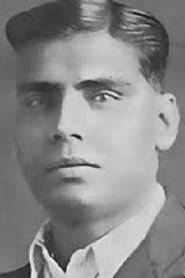
Krishna Chandra Dey
Actor
Born: 1893 in Calcutta, Bengal Presidency, British India Died: November 28, 1962 Active: 1920s-1950s
Films
1 film
About Krishna Chandra Dey
Krishna Chandra Dey (1893-1962) was a figure in early Indian cinema, primarily renowned as a music composer and singer during the golden era of Bengali and Hindi films. Born in Calcutta (now Kolkata), he began his career in the 1920s and became music directors at New Theatres, Calcutta, prestigious film studios of the 1930s. Dey was instrumental in shaping the sound of early Indian talkies, blending classical Indian music with contemporary film requirements. He composed music for numerous landmark films and was also a talented singer, known for his distinctive baritone voice. His nephew was the singer Manna Dey, whom he mentored and influenced significantly. While primarily known for his musical contributions, he occasionally appeared in films, including his role in the classic 'Vidyapati' (1937). Dey's the crucial transition period from silent films to talkies, making him a key figure in establishing the musical foundations of Indian cinema.
The Craft
On Screen
Limited acting appearances, primarily in supporting roles that complemented his musical contributions
Milestones
- music composer at New Theatres
- Mentor to legendary singer Manna Dey
- Contributed to the transition from silent to sound cinema
- Composed music for numerous classic Bengali and Hindi films
- Appeared in 'Vidyapati' (1937) as an actor
Best Known For
Iconic Roles
Must-See Films
Accolades
Special Recognition
- Recognized as a pioneer of Indian film music
- Remembered as one of the foundational figures of New Theatres' musical legacy
Working Relationships
Worked Often With
Studios
Why They Matter
Impact on Culture
Krishna Chandra Dey played a crucial role in establishing the musical foundations of Indian cinema during its formative years. As one of the key music directors at New Theatres, he helped create the distinctive sound that would influence Indian film music for decades. His work bridged traditional Indian classical music with the emerging medium of cinema, creating a template for future film composers. The songs he composed and sang became part of India's cultural heritage, with many becoming evergreen classics that are still remembered today.
Lasting Legacy
Dey's legacy lies primarily in his contributions to Indian film music rather than acting. He is remembered as one of the architects of the Indian film song format, blending classical ragas with cinematic storytelling. His mentorship of Manna Dey ensured that his musical knowledge and techniques were passed down to future generations. The films he worked on, particularly during the New Theatres era, are considered classics of Indian cinema, and his music remains an integral part of their enduring appeal.
Who They Inspired
Krishna Chandra Dey influenced generations of music composers and singers through his innovative approach to film music. His ability to adapt classical Indian music for the cinema screen set standards that would be followed by countless musicians. His work demonstrated how traditional art forms could be preserved while embracing new technologies and mediums. Through his nephew Manna Dey, his influence extended well into the golden age of Indian film music, impacting the very sound of Bollywood and regional cinema for decades.
Off Screen
Krishna Chandra Dey came from a family with musical interests and was deeply involved in Calcutta's cultural scene during the colonial era. He was a family man who maintained strong connections with his extended family, particularly his nephew Manna Dey, whom he guided in musical training. Dey lived through the tumultuous period of India's independence and partition, which significantly affected the film industry in Calcutta. He continued his musical work even as the industry evolved, adapting to changing tastes while maintaining his classical foundation.
Education
Classical music training in traditional Indian musical traditions, likely through guru-shishya parampara system prevalent in Bengal during that era
Family
- Not widely documented in historical records
Did You Know?
- Was the uncle and first guru of legendary singer Manna Dey
- Worked during the crucial transition period from silent films to talkies in Indian cinema
- New Theatres, where he worked, was considered the MGM of India during the 1930s
- His baritone voice was distinctive among singers of his era
- Composed music for films in multiple languages including Bengali and Hindi
- Was part of the golden generation of artists who established Indian film music
- His musical style incorporated both classical and folk elements
- Survived the major upheavals in the Indian film industry during and after World War II
- His contributions predate the dominance of Mumbai (Bombay) in Indian cinema
- Was part of the cultural renaissance in Bengal during the colonial period
In Their Own Words
Not widely documented in historical records - primarily known through his musical compositions rather than verbal quotes
Frequently Asked Questions
Who was Krishna Chandra Dey?
Music composer, singer, and occasional with credits in this catalog. He was most associated with New Theatres in Calcutta and was instrumental in shaping the sound of early Indian talkies. He was also the uncle and mentor of legendary singer Manna Dey.
What films is Krishna Chandra Dey best known for?
When was Krishna Chandra Dey born and when did he die?
Born 1893; died November 28, 1962.
What awards did Krishna Chandra Dey win?
While formal award systems were not well-established during his active period, Krishna Chandra Dey is recognized posthumously as a pioneer of Indian film music. His greatest honor lies in his lasting influence on Indian cinema and his role in mentoring legendary singer Manna Dey.
What was Krishna Chandra Dey's musical style?
Dey's musical style was characterized by a sophisticated blend of classical Indian ragas with accessible film music. He had a distinctive baritone voice and was known for incorporating both classical and folk elements into his compositions. His work helped establish the template for the Indian film song format that would dominate cinema for decades.