Films
1 film
About Sylvia Torff
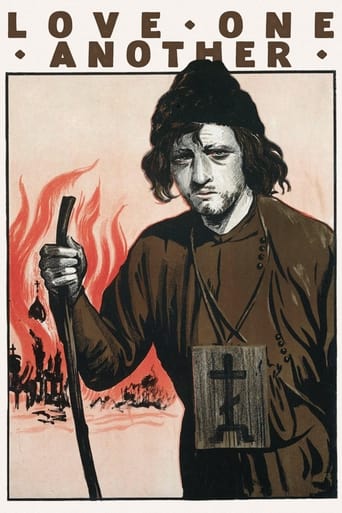
German actress who appeared briefly during the silent film era of the early 1920s. Her most notable and possibly only credited role was in Carl Theodor Dreyer's 1922 film 'Love One Another' (German title: 'Die Gezeichneten'), a powerful drama about Jewish persecution in tsarist Russia. Torff was part of the ensemble cast that included prominent German actors of the time such as Adele Reuter-Eichberg and Vladimir Gajdarov. The film was significant as one of Dreyer's early works before he gained international acclaim. Unfortunately, like many supporting actors from the silent era, detailed records of Torff's career and personal life are scarce, suggesting she may have had a very brief tenure in the film industry. Her appearance in 'Love One Another' represents her known contribution to cinema history, making her part of an important early work by a director who would later become a master of cinematic art.
The Craft
On Screen
As a supporting actress in the silent era, Torff likely employed the exaggerated gestures and facial expressions typical of silent film acting, though specific details about her performance style are not well documented
Milestones
- Appeared in Carl Theodor Dreyer's 'Love One Another' (1922)
- Participated in an early significant work by a future master director
Best Known For
Iconic Roles
Must-See Films
Working Relationships
Worked Often With
Studios
Why They Matter
Impact on Culture
Sylvia Torff's contribution to cinema, while brief, places her within the context of early German cinema's golden age. Her participation in 'Love One Another' connects her to the early career of Carl Theodor Dreyer, who would become one of cinema's most revered directors. The film itself was significant for its time, addressing themes of religious persecution and social injustice, making Torff part of an important early example of socially conscious cinema.
Lasting Legacy
Sylvia Torff represents the countless supporting actors from the silent era whose names have largely faded from film history but who contributed to the development of cinema as an art form. Her legacy is tied to her role in 'Love One Another,' which survives as an important early work by Dreyer. While she may not have achieved lasting fame, she is part of the historical fabric of German silent cinema and the early careers of filmmakers who would shape the medium.
Who They Inspired
Given her brief career and limited filmography, there is no documented evidence of Sylvia Torff directly influencing other actors or filmmakers. However, like all actors who worked on significant early films, she contributed to the collective development of film acting techniques during the transition from stage to screen performance.
Off Screen
Very little information is available about Sylvia Torff's personal life, which is common for supporting actors from the silent era who had brief careers. Like many actors from this period, detailed biographical records were not systematically maintained.
Did You Know?
- 'Love One Another' was also known by its German title 'Die Gezeichneten'
- The film was one of Carl Theodor Dreyer's early directorial efforts before his masterpiece 'The Passion of Joan of Arc' (1928)
- Torff's career appears to have been limited to 1922, making her a one-year wonder of silent cinema
- The film addressed themes of anti-Semitism in tsarist Russia, making it socially progressive for its time
- Like many silent era actors, Torff's career may have ended with the transition to sound films
- The film was a German-Swedish co-production, reflecting the international nature of early European cinema
- Supporting actors from this era often went without on-screen billing in surviving film records
Frequently Asked Questions
Who was Sylvia Torff?
Screen credits include Carl Theodor Dreyer's 1922 film 'Love One Another.' Her career appears to have been brief, limited to 1922, making her one of many supporting actors from early cinema whose contributions have been largely lost to history.
What films is Sylvia Torff best known for?
Titles linked here include Love One Another (1922).
When was Sylvia Torff born and when did she die?
Unfortunately, specific birth and death dates for Sylvia Torff are not available in historical records, which is common for supporting actors from the silent era who had brief careers.
What awards did Sylvia Torff win?
There are no records of Sylvia Torff receiving any major awards or nominations for her work in film, which was typical for supporting actors in the early 1920s.
What was Sylvia Torff's acting style?
While specific details about Torff's acting style are not documented, as a silent film actress she would have used the exaggerated gestures and facial expressions characteristic of the era to convey emotions without dialogue.
Why is Sylvia Torff significant in film history?
Sylvia Torff is significant primarily for her participation in 'Love One Another' (1922), an early work by director Carl Theodor Dreyer who would become a cinema master. She represents the countless supporting actors who contributed to early cinema's development.
Did Sylvia Torff work with any famous directors?
Yes, Sylvia Torff worked with Carl Theodor Dreyer on 'Love One Another' (1922). Dreyer would later become renowned for masterpieces like 'The Passion of Joan of Arc' (1928) and 'Day of Wrath' (1943).