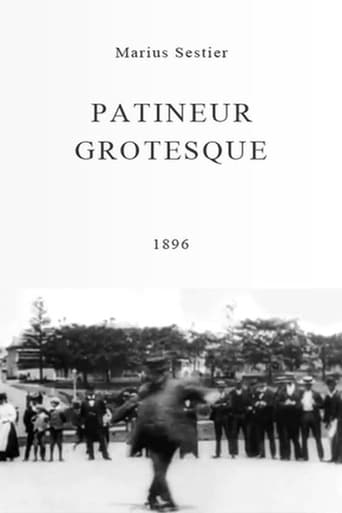
Films
1 film
About Marius Sestier
Played a pivotal role in bringing cinema to Australia in the late 19th century. Working as an agent for the Lumière brothers, Sestier traveled to Australia in 1896 and conducted some of the earliest film screenings in the country, including the first cinema screening in Sydney on October 28, 1896. During his time in Australia, he shot numerous short films documenting Australian life, including what are considered the first narrative films made in Australia. His most famous work 'Humorous Rollerskater' (1897) exemplifies the early comedic shorts that were popular during cinema's infancy. Sestier's Australian films captured significant historical moments, including the opening of the Melbourne Cup and various scenes of daily life in colonial Australia. After his Australian period, he continued his work with the Lumière company before eventually returning to France. His brief but influential the crucial transition period of 1896-1897, making him one of the true pioneers of global cinema.
The Craft
Behind the Camera
Sestier's directing style was characteristic of the Lumière school of early cinema - primarily documentary in nature with a stationary camera perspective, capturing real-life scenes and simple comedic situations. His work focused on actuality films and brief narrative scenarios that could be filmed in a single take, reflecting the technical limitations and aesthetic preferences of cinema's earliest years.
Milestones
- First cinema screening in Australia (October 28, 1896)
- Shot the first narrative films in Australia
- Documented the 1896 Melbourne Cup
- Created 'Humorous Rollerskater' (1897)
- Brought Lumière cinematograph technology to Australia
- Filmed some of the earliest moving images of Australian life
Best Known For
Must-See Films
Accolades
Special Recognition
- Recognized as a pioneer of Australian cinema
- Honored in Australian film history for introducing cinema to the continent
Working Relationships
Worked Often With
Studios
Why They Matter
Impact on Culture
Marius Sestier's cultural impact extends far beyond his brief filmography, as he was instrumental in introducing cinema to Australia and the broader Asia-Pacific region. His films represent some of the earliest moving images of Australian life, providing invaluable historical documentation of colonial Australia at the turn of the century. The screenings he organized marked the beginning of Australia's cinematic culture, paving the way for the development of one of the world's most vibrant film industries. His work with the Lumière brothers helped establish the global reach of cinema during its earliest days, demonstrating the universal appeal of moving images.
Lasting Legacy
Sestier's legacy is primarily as a pioneer who bridged European cinema innovation with Australian audiences and subjects. His films are preserved in archives as some of the earliest examples of Australian cinema, and historians recognize him as a crucial figure in the globalization of film technology. The Melbourne Cup film he created is particularly significant as one of the earliest sports films ever made, showing how quickly cinema adapted to capture major cultural events. His work exemplifies the documentary and ethnographic potential of early cinema, capturing authentic moments of daily life that would otherwise be lost to history.
Who They Inspired
Sestier influenced the development of Australian cinema by demonstrating the technical and artistic possibilities of the medium to local audiences and potential filmmakers. His successful screenings and local productions inspired other entrepreneurs to enter the fledgling film business in Australia. His work with the Lumière company also contributed to the standardization of early film techniques and exhibition practices that would be adopted globally. The simple but effective narrative structure of 'Humorous Rollerskater' influenced the development of early comedic cinema worldwide.
Off Screen
Marius Sestier was married and had children, though detailed personal information is scarce due to the early time period in which he lived. He was a dedicated employee of the Lumière company, which required extensive travel and dedication to the emerging art of cinematography. His time in Australia was relatively brief but historically significant, after which he returned to France and continued working in the film industry during its formative years.
Education
Limited educational records from 19th century France are available, but he was clearly trained by the Lumière brothers in cinematography and film technology
Family
- Unknown - records from this period are incomplete
Did You Know?
- One of the first people to bring cinema to Australia
- Worked directly for the Lumière brothers
- His Australian films are among the earliest moving images of the continent
- Conducted the first film screening in Sydney on October 28, 1896
- Shot what is considered Australia's first narrative film
- His films were typically less than one minute long
- The Melbourne Cup film he made is one of the earliest sports documentaries
- He used the Lumière Cinématographe, which was both a camera and projector
- His Australian period lasted only about a year but had lasting impact
- Some of his films have been preserved by Australian film archives
In Their Own Words
No recorded quotes from this early cinema pioneer are available in historical records
Frequently Asked Questions
Who was Marius Sestier?
French cinematographer and filmmaker who worked for the Lumière brothers and was instrumental in bringing cinema to Australia in 1896-1897, shooting some of the earliest films ever made in the country.
What films is Marius Sestier best known for?
Titles linked here include Humorous Rollerskater (1897), The Melbourne Cup (1896).
When was Marius Sestier born and when did he die?
Born 1858; died 1924.
What was Marius Sestier's role in Australian cinema history?
Sestier conducted Australia's first cinema screening in Sydney on October 28, 1896, and shot the first narrative films made in Australia, essentially introducing cinema to the continent and laying the groundwork for its film industry.
How did Marius Sestier work with the Lumière brothers?
Sestier — agent and cinematographer for the Lumière company, traveling to Australia with their Cinématographe technology to demonstrate it and create films using their revolutionary camera and projection system.
What was the significance of 'Humorous Rollerskater'?
'Humorous Rollerskater' (1897) represents early comedic cinema and demonstrates how quickly filmmakers developed narrative storytelling techniques, even within the technical limitations of the 1890s.
Where can Marius Sestier's films be seen today?
Many of Sestier's Australian films have been preserved by Australian film archives and can be viewed through their collections, providing invaluable historical documentation of colonial Australia.