Films
2 films
About Jeanne-Joséphine Lumière
Jeanne-Joséphine Lumière was cast in some of the earliest motion pictures ever created. As a relative of the famous Lumière brothers, Auguste and Louis Lumière, she participated in their cinematic experiments during the birth of cinema in 1895-1896. Her appearances in films like 'Boat Leaving the Port' and 'The Arrival of a Train at La Ciotat' represent some of the first instances of captured human movement on film. Unlike modern actors, she was not a professional performer but rather a family member who happened to be present during these historic filming sessions. Her contribution to cinema history lies in being one of the very first people ever captured on motion picture film, helping to establish the medium that would revolutionize entertainment and art. The films she appeared in were actualités - short documentary-style scenes that captured everyday life, marking the beginning of narrative and documentary filmmaking.
The Craft
On Screen
Natural, unstylized presence typical of actualité films where subjects were captured in candid moments rather than performing scripted scenes
Milestones
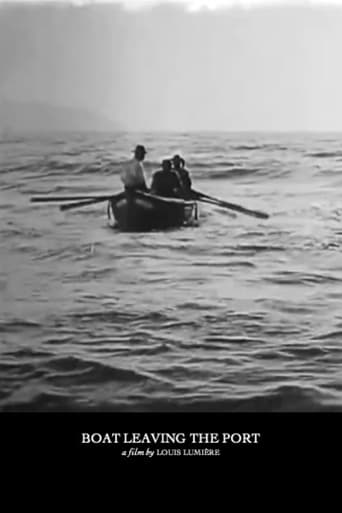
- Appeared in 'Boat Leaving the Port' (1895)
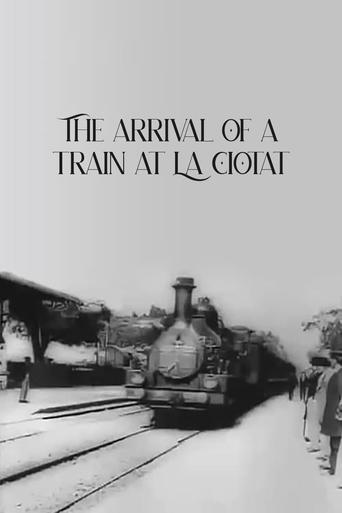
- Appeared in 'The Arrival of a Train at La Ciotat' (1896)
- One of the first people ever captured on motion picture film
- Participated in the birth of cinema as a Lumière family member
Best Known For
Iconic Roles
Must-See Films
Accolades
Special Recognition
- Recognized as one of cinema's earliest performers
- Part of the Lumière family legacy honored in film history
Working Relationships
Worked Often With
Studios
Why They Matter
Impact on Culture
Jeanne-Joséphine Lumière's significance in cinema history lies in her participation in the very birth of motion pictures. As someone who appeared in the Lumière brothers' earliest films, she represents the transition from still photography to moving images and the beginning of captured human performance on film. Her presence in these works helped demonstrate the new medium's ability to capture reality and human movement, influencing countless filmmakers who would follow. The films she appeared in, particularly 'The Arrival of a Train at La Ciotat,' became legendary for their impact on early audiences and remain important artifacts in film history.
Lasting Legacy
Jeanne-Joséphine Lumière's legacy is tied to the foundational period of cinema history. As one of the first people ever captured on motion picture film, she represents the humble beginnings of what would become a global entertainment industry. Her appearances in Lumière films are studied by film historians and scholars as examples of the earliest cinematic documentation of human life. The films she participated in continue to be shown in film schools and museums as essential examples of cinema's origins, ensuring her place in the historical record as a pioneer of the medium.
Who They Inspired
While not a professional actor who influenced later performers, Jeanne-Joséphine Lumière contributed to the development of cinema by participating in early experiments that would establish the language of film. Her natural presence in these early actualités helped demonstrate cinema's potential for capturing authentic human moments, influencing the documentary tradition that would follow. The Lumière family's work, which she was part of, influenced generations of filmmakers who built upon their innovations in capturing reality on film.
Off Screen
Member of the famous Lumière family, relatives of Auguste and Louis Lumière, the inventors and pioneers of cinema. As a family member during the dawn of filmmaking, she participated in their early experiments and appeared in some of their most famous short films. Her life spanned the revolutionary period when motion pictures were invented and first shown to the public.
Did You Know?
- Appeared in what is considered
- Part of the Lumière family that invented the cinematograph
- Her films were typically less than one minute long, as was common in early cinema
- The films she appeared in were shot in France and shown at the first public film screenings
- Unlike modern actors, she was not paid for her appearances but participated as a family member
- Her films were among the first ever shown to paying audiences
- The Lumière brothers' films were initially considered a scientific novelty rather than entertainment
- She lived during the exact moment when cinema was invented and first presented to the world
- Her appearances predate the establishment of Hollywood and the film industry as we know it
- The films she appeared in are preserved as important historical artifacts in film archives worldwide
Frequently Asked Questions
Who was Jeanne-Joséphine Lumière?
Screen credits include some of the earliest motion pictures ever created, including 'Boat Leaving the Port' (1895) and 'The Arrival of a Train at La Ciotat' (1896). She was related to the famous Lumière brothers who invented cinema and was one of the first people ever captured on motion picture film.
What films is Jeanne-Joséphine Lumière best known for?
Titles linked here include Boat Leaving the Port (1895), The Arrival of a Train at La Ciotat (1896).
When was Jeanne-Joséphine Lumière born and when did she die?
Specific birth and death dates for Jeanne-Joséphine Lumière are not well-documented in historical records, which is common for people who appeared in the very earliest films. She was active during the mid-1890s and was French by nationality.
What awards did Jeanne-Joséphine Lumière win?
Jeanne-Joséphine Lumière did not receive formal awards or recognition during her lifetime, as the film industry and award systems had not yet been established. Her significance is recognized historically as one of cinema's earliest performers and as part of the Lumière family legacy.
What was Jeanne-Joséphine Lumière's acting style?
Her 'acting' was natural and unstylized, typical of actualité films where subjects were captured in candid moments rather than performing scripted scenes. She was not a professional actor but rather appeared naturally in the Lumière brothers' documentary-style films that captured everyday life.