Films
1 film
About Ray Hanford
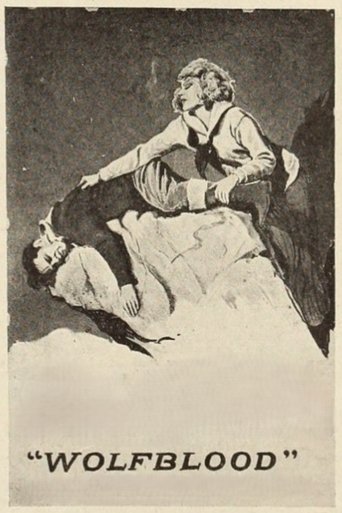
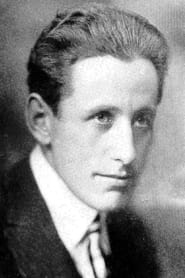
Ray Hanford is credited on a single production — Wolf Blood (1925). A transitional period in American cinema as the industry moved from pure silent films toward the sound era. His only known film appearance was in the 1925 production 'Wolf Blood,' an early werewolf horror film that was quite innovative for its time. As a performer in the silent era, Hanford would have relied heavily on physical expression and pantomime to convey emotions and character development, skills essential for actors working without synchronized dialogue. His career appears to have been exceptionally brief, limited to this single film credit, which was not uncommon for many actors of the period who appeared in only one or two productions before leaving the industry. The fact that he was cast in a genre film like 'Wolf Blood' suggests he may have been part of the supporting cast or possibly had a smaller character role in the production. Unfortunately, like many minor players from the silent era, detailed records of Hanford's life and career are scarce, making him representative of the countless actors who contributed to early cinema but have since faded into historical obscurity.
The Craft
Milestones
- Appeared in 'Wolf Blood' (1925), an early werewolf film during the silent era
Best Known For
Must-See Films
Why They Matter
Impact on Culture
Ray Hanford's cultural impact is minimal due to his extremely brief film career, consisting of only one known appearance. However, his participation in 'Wolf Blood' (1925) connects him to the early development of horror cinema in America, particularly the werewolf subgenre which would later become a staple of horror films. The film itself is notable as one of the earliest werewolf movies produced in Hollywood, predating the more famous Universal monster films of the 1930s. Though Hanford's contribution was likely small, he was part of the efforts that helped establish horror as a viable genre in American cinema during the silent era.
Lasting Legacy
Ray Hanford's legacy is primarily that of a representative example of the many anonymous actors who populated early Hollywood productions. Like countless others from the silent era, he contributed to the foundation of American cinema despite leaving little trace in historical records. His single known film appearance in 'Wolf Blood' ensures that he has at least a minimal place in film history, connected to the early development of horror cinema. Hanford's story illustrates how the vast majority of early film performers have been lost to time, with only the biggest stars leaving detailed biographical records for future generations to study.
Who They Inspired
Given his extremely brief career with only one known film credit, Ray Hanford likely had minimal direct influence on other actors or filmmakers. However, as a participant in early horror cinema, he was part of the collective effort that helped establish genre conventions and storytelling techniques that would influence later horror productions. The very existence of actors like Hanford in early films demonstrates the collaborative nature of filmmaking, where even minor performers contributed to the overall impact and success of productions that would shape the future of cinema.
Off Screen
Very little information is available about Ray Hanford's personal life, which is typical of minor actors from the silent era who had brief careers and limited film credits.
Did You Know?
- Ray Hanford appeared in only one known film during his entire career
- 'Wolf Blood' (1925) was one of the earliest werewolf films made in America
- The film was co-directed by its star George Chesebro
- Like many silent era actors with brief careers, almost no biographical information about Hanford survives
- His entire known film career lasted less than a year based on available records
- The film he appeared in was produced during the peak of the silent era, just before the transition to sound
Frequently Asked Questions
Who was Ray Hanford?
Silent film with credits in this catalog. Very little biographical information about him survives, which is typical of minor actors from the silent era.
What films is Ray Hanford best known for?
Titles linked here include Wolf Blood (1925).
When was Ray Hanford born and when did he die?
Unfortunately, Ray Hanford's birth and death dates are not known, as is common for many minor actors from the silent era who left behind limited biographical records.
What awards did Ray Hanford win?
There are no records of Ray Hanford receiving any awards or nominations for his work in film, which is not surprising given his brief career consisting of only one known appearance.
What was Ray Hanford's acting style?
While specific details about Ray Hanford's acting style are not documented, as a silent film actor he would have relied on physical expression, gestures, and facial expressions to convey emotion and character, as synchronized dialogue was not yet available in films.