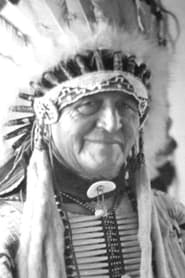
Luther Standing Bear
Actor
- Born
- December 1868, Rosebud Indian Reservation, South Dakota, United States
- Died
- February 20, 1939
- Active
- 1921-1921
- Birth name
- Matȟó Nážiŋ (commonly rendered as Luther Standing Bear in English)
Films 1
About Luther Standing Bear
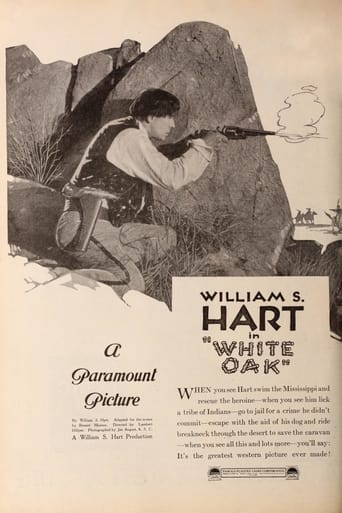
Luther Standing Bear was an Oglala Lakota writer, educator, activist, and performer who became one of the earliest Native American figures to appear in American cinema. Born on the Pine Ridge Reservation, he was educated at Carlisle Indian Industrial School, where he was exposed to Euro-American customs and later became a public advocate for Native life, identity, and self-determination. In film, he worked in the silent era as a character actor and consultant, bringing Indigenous presence to a medium that often stereotyped Native people and used non-Native performers in such roles. His credited screen work is limited, but his appearance in White Oak (1921) places him among the small number of Native performers working in Hollywood during the early 1920s. Beyond acting, he is far better known for his books, lectures, and public speaking, which helped reshape mainstream understanding of Lakota culture. His career reflects the intersection of early cinema, Native representation, and cultural advocacy rather than a conventional Hollywood acting career. He remains historically significant as both a performer and a voice for Indigenous perspectives in the early twentieth century.
More about Luther Standing Bear
On screen
As a screen performer, Luther Standing Bear is best understood as a natural, presence-based actor rather than a classically trained Hollywood star. His film work came during the silent era, so his style would have relied on physical expressiveness, stillness, and a dignified screen presence rather than dialogue-driven performance. Because he was also a cultural spokesperson, his performances likely carried an added authenticity and authority uncommon in early Westerns and frontier dramas. Available evidence suggests his film appearances were limited, so his acting style is documented less through a large body of films than through his broader public persona as a serious, articulate representative of Lakota culture.
In film history
Luther Standing Bear’s cultural importance extends well beyond his small filmography. He was one of the most visible Native American intellectuals and advocates of his era, using books, speeches, and public appearances to challenge stereotypes and explain Lakota life from an Indigenous perspective. In the context of cinema, his presence matters because early Hollywood frequently cast Native people through distorted or non-Native lenses; Standing Bear represented a rare case of an actual Indigenous figure appearing in the screen culture of the silent era. Even when his acting work was limited, the significance of his participation lies in authenticity, visibility, and the broader struggle over who got to represent Native identity in American popular culture. His life and work helped pave the way for later Native performers, scholars, and activists who sought more accurate and self-determined representation.
Later reputation
His lasting legacy in film history is as an early Native American screen presence and as a reminder that Indigenous participation in early cinema was real, though often under-documented and marginalized. In cultural history, he is remembered far more prominently as an author and advocate whose work preserved and interpreted Lakota values for both Native and non-Native readers. His legacy also lies in the fact that he complicates the usual narrative of silent-era cinema by showing that Native people were not merely subjects of film but participants in shaping public understanding. For scholars of classic cinema, he stands at the intersection of race, representation, performance, and cultural activism. His name endures in studies of Native American history, early American film, and the politics of representation.
Influence
Luther Standing Bear influenced later generations less through a large acting career than through his example as a public Native intellectual who engaged mass culture on his own terms. In cinema history, his presence offers an early model of Indigenous participation in film production and screen representation, particularly in Westerns and frontier narratives where Native people were routinely misrepresented. His written and spoken work influenced how Native identity could be discussed publicly, which in turn affected cultural criticism and later depictions of Indigenous life in literature, education, and film. He also serves as an important historical precedent for Native actors who combined performance with advocacy and cultural commentary. His broader influence is felt in the long arc toward more accurate and respectful Indigenous representation.
Off screen
Luther Standing Bear was born into Oglala Lakota life and later experienced the profound dislocations of federal assimilation policy through his education at Carlisle Indian Industrial School. His personal life is closely tied to his role as a cultural mediator: he moved between Indigenous and non-Indigenous worlds, writing and speaking about Lakota traditions, values, and identity for broad audiences. He is known more for his family background, education, and public advocacy than for a celebrity personal life in the Hollywood sense. Sources commonly identify him as a married man and family man, but detailed, consistently documented spouse and children information is not always presented in standard film references. His life story is inseparable from the broader history of Native American endurance, adaptation, and activism in the late nineteenth and early twentieth centuries.
Education
He attended Carlisle Indian Industrial School, where he received a formal Euro-American education shaped by assimilation policies of the period.
Credits
- Appeared in the silent film White Oak (1921), one of his known screen credits
- Became widely recognized as a published author and lecturer on Lakota life and Indigenous issues
- Helped bring authentic Native perspectives into public discourse during a period of pervasive screen stereotyping
- Served as an important early Indigenous voice in both print culture and popular entertainment
- Became associated with efforts to preserve and explain Lakota traditions to non-Native audiences
- Worked as a teacher, actor, and public speaker rather than pursuing a long Hollywood career
Roles
- Native Lakota character in White Oak (1921)
Films
- White Oak (1921)
Honors
- Recognized historically as an important early Native American public intellectual and cultural advocate
- Acknowledged in film history for being among the early Native performers to appear in American cinema
Collaborators
- Information not clearly documented for his limited film career
Studios
- Independent silent-era production associated with White Oak (1921)
Family
- Information not consistently documented in standard film references
Notes
- He is better known today as a writer and cultural advocate than as a film actor.
- His screen career, as commonly documented, is very short and centered on the silent era.
- He came from the Oglala Lakota people and later became one of the best-known Native public speakers of his generation.
- He studied at Carlisle Indian Industrial School, one of the most famous and controversial Native boarding schools in the United States.
- His appearance in White Oak (1921) makes him an important early Native presence in Hollywood-era cinema.
- He wrote extensively about Lakota life and identity, helping preserve knowledge of his culture for wider audiences.
- He is frequently cited in discussions of Native American representation in early twentieth-century American media.
- His life bridged traditional Lakota society and the modern media world of print and film.
Quotes
The exact wording of widely circulated quotations attributed to Luther Standing Bear varies by source, and film-reference sources do not consistently preserve verified quote attributions.
He is often cited in Native history for statements emphasizing the dignity, wisdom, and humanity of Indigenous peoples, but specific canonical quotations should be checked against his published writings for verification.
Questions
Who was Luther Standing Bear?
Luther Standing Bear was an Oglala Lakota author, educator, cultural advocate, and occasional film actor. In cinema history, he is important as one of the early Native American performers to appear in American silent films, including White Oak (1921).
What films is Luther Standing Bear best known for?
He is best known in film references for White Oak (1921), which is the principal screen credit commonly associated with him. His overall reputation, however, rests more on his writing and advocacy than on a large filmography.
When was Luther Standing Bear born and when did he die?
He was born in December 1868 on the Rosebud Indian Reservation in South Dakota, United States. He died on February 20, 1939.
What awards did Luther Standing Bear win?
No major film awards are documented for Luther Standing Bear in the silent-era film record. His recognition is historical and cultural rather than award-based, especially for his advocacy and writing.
What was Luther Standing Bear's acting style?
Because his film work was limited and silent, his acting would have depended on physical presence, expressive gesture, and a dignified screen manner. He is remembered more for authenticity and authority than for a large body of performance roles.
What was Luther Standing Bear's legacy?
His legacy is twofold: he helped represent Native presence in early cinema, and he became a major public voice for Lakota culture and Indigenous self-representation. He remains significant in both film history and Native American cultural history.