Films
2 films
About Elizabeth Miller
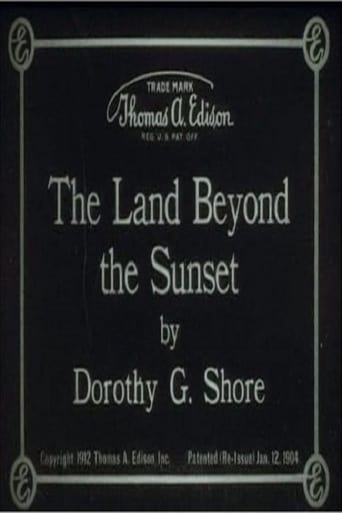
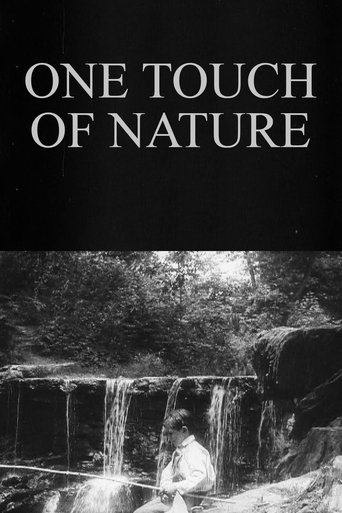
Early silent film actress who briefly worked during the years of American cinema. Her screen career ran from 1912 to 1914, appearing in at least two films during this crucial period when the film industry was still establishing itself as a major entertainment medium. Like many actors of this era, her filmography was limited, reflecting the experimental nature of early filmmaking and the transient nature of careers in the nascent industry. Miller appeared in 'The Land Beyond the Sunset' in 1912, followed by 'One Touch of Nature' in 1914, both characteristic of the short narrative films that dominated the period. Her brief career coincided with the transition from very early cinema experiments to more sophisticated storytelling techniques. Unfortunately, like many early film actors, detailed records of her life and career are scarce, a common issue for performers from the silent era's first decade.
The Craft
Milestones
- Appeared in 'The Land Beyond the Sunset' (1912)
- Appeared in 'One Touch of Nature' (1914)
Best Known For
Must-See Films
Why They Matter
Impact on Culture
Elizabeth Miller's contribution to cinema, while brief, represents the work of actors who helped establish the foundation of the film industry during its earliest years. Her participation in films from 1912-1914 places her among the first generation of professional film actors, a time when the medium was transitioning from novelty to art form. These early performers faced unique challenges, including the need to convey emotion and story without dialogue, working with primitive equipment, and often performing under difficult conditions. Though her career was short, actors like Miller were essential in demonstrating the potential of cinema as a storytelling medium.
Lasting Legacy
Elizabeth Miller's legacy is primarily as a representative of the earliest generation of film actors. While she did not achieve lasting fame or leave behind an extensive body of work, her participation in early silent films contributes to our understanding of cinema's formative years. Like many actors from this period, her work serves as historical documentation of the evolution of film performance and the development of the American film industry. Her films, though likely lost or extremely rare, represent the experimental nature of early cinema and the actors who helped establish the conventions of film acting.
Who They Inspired
Due to the brief nature of her career and the limited documentation of her work, Elizabeth Miller's direct influence on subsequent generations of actors cannot be definitively established. However, as part of the first wave of professional film actors, she and her contemporaries collectively influenced the development of screen acting techniques that would evolve throughout the silent era and beyond.
Off Screen
Very little personal information is available about Elizabeth Miller, which is typical for actors from the earliest years of cinema. Many performers from this period left behind minimal biographical records, as the film industry was still in its infancy and celebrity culture had not yet developed to the extent it would in later decades.
Did You Know?
- Elizabeth Miller's active years covered only 2-3 years during the very early silent era
- She appeared in films during the period when feature-length films were still rare
- Her filmography represents the typical brevity of many early cinema careers
- Both of her known films were produced before the major Hollywood studio system was established
- Like many early film actors, detailed biographical information about her is scarce
- Her career ended before the classic Hollywood Golden Age began in the late 1920s
- She worked during the transition from nickelodeons to more established movie theaters
- Her films were likely short, as was typical for the period (10-20 minutes maximum)
Frequently Asked Questions
Who was Elizabeth Miller?
Early silent film actress who worked briefly during 1912-1914, appearing in at least two films during the years of American cinema. She represents the first generation of professional film actors who helped establish the foundation of the movie industry.
What films is Elizabeth Miller best known for?
Titles linked here include The Land Beyond the Sunset (1912), One Touch of Nature (1914).
When was Elizabeth Miller born and when did she die?
Unfortunately, specific birth and death dates for Elizabeth Miller are not available in historical records, which is common for actors from the earliest silent era who often left behind minimal biographical documentation.
What awards did Elizabeth Miller win?
Elizabeth Miller did not receive any major awards during her brief career. The major film award systems, including the Academy Awards, were not established until many years after her career ended.
What was Elizabeth Miller's acting style?
Specific details about Elizabeth Miller's acting style are not documented in available historical records. However, actors of this period typically used exaggerated gestures and expressions to convey emotion in silent films, as the techniques of naturalistic screen acting were still being developed.