
Films
1 film
About Bertha Regustus
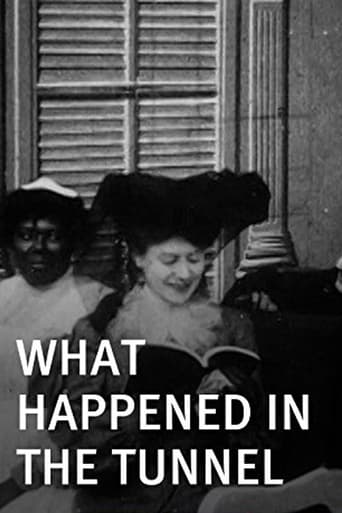
Bertha Regustus appears once in this catalog: What Happened in the Tunnel (1903). Her known career consists of a single appearance in the 1903 Edison Manufacturing Company short film 'What Happened in the Tunnel,' making her one of the performers of the nascent film industry. Like many actors of this era, she likely came from a theatrical background, as early film studios often recruited stage performers for their new medium. Her brief film career coincided with the period when motion pictures were transitioning from novelty attractions to a legitimate art form. The fact that she appeared in an Edison production places her among the earliest actors to work for one of America's most important early film companies. Unfortunately, like many performers from this era, detailed records of her life and career have been lost to time, leaving us with only this single film credit as evidence of her contribution to cinema history.
The Craft
On Screen
Like most actors of the 1903 period, Regustus would have employed theatrical, exaggerated gestures suitable for the medium's technical limitations and the stage-influenced acting style of the era
Milestones
- Appeared in 'What Happened in the Tunnel' (1903), one of the earliest narrative short films
- Worked with Edison Manufacturing Company during the era of American cinema
Best Known For
Iconic Roles
Must-See Films
Working Relationships
Worked Often With
Studios
Why They Matter
Impact on Culture
Bertha Regustus represents the generation of film actors who helped establish the foundation of cinema as an art form. Her appearance in a 1903 Edison film places her among the very first performers to work in narrative motion pictures, during a time when film was still establishing itself as a legitimate medium. Though her career was brief, she contributed to the development of early film language and storytelling techniques that would influence generations of filmmakers. Actors of this era were essentially creating the vocabulary of screen acting, experimenting with how to translate performance to the new medium of moving pictures.
Lasting Legacy
While Bertha Regustus may be largely forgotten today, her legacy endures as part of the foundation of American cinema. She represents the countless anonymous pioneers who participated in cinema's birth, many of whom have been lost to history despite their important contributions. Her work in early Edison films helps document the evolution of narrative cinema and the development of film as an art form. These earliest performers laid the groundwork for the film industry that would eventually become one of America's most significant cultural exports.
Who They Inspired
As one of the earliest film actors, Regustus's influence would have been primarily in helping establish early film acting conventions. The work of performers like her in 1903 directly influenced the development of screen acting techniques that would evolve throughout the silent era. While she may not have directly mentored other actors, her participation in early Edison films contributed to the growing body of work that subsequent actors would study and build upon as cinema matured as an art form.
Off Screen
Very little is known about Bertha Regustus's personal life, which is typical for actors from the earliest period of cinema. Like many performers of her era, she likely maintained a private life separate from her brief film work, and personal details were not considered newsworthy or important enough to preserve in historical records.
Did You Know?
- 'What Happened in the Tunnel' was directed by Edwin S. Porter, one of early cinema's most important innovators
- The film was produced by the Edison Manufacturing Company, which was one of America's first and most significant film studios
- 1903 was a pivotal year in cinema history, seeing the release of groundbreaking films like 'The Great Train Robbery'
- Early Edison films were often shot at the company's studio in the Bronx, New York
- Many early film actors like Regustus were theatrical performers recruited for the new medium
- The film likely ran for only a few minutes, typical of the short films of this era
- Edison films of this period were often shown in vaudeville theaters as part of variety programs
- The preservation status of 'What Happened in the Tunnel' is unclear, as many early films have been lost
- Actors in 1903 were typically not credited by name in films, making identification difficult
- The film industry was so new in 1903 that acting in movies was not yet considered a prestigious profession
Frequently Asked Questions
Who was Bertha Regustus?
Bertha Regustus — early American film actress active during the dawn of cinema in 1903. She is known only for her appearance in the Edison Manufacturing Company's short film 'What Happened in the Tunnel,' making her one of the performers of the silent era.
What films is Bertha Regustus best known for?
Titles linked here include What Happened in the Tunnel (1903).
When was Bertha Regustus born and when did she die?
Unfortunately, Bertha Regustus's birth and death dates are not known, which is common for actors from the earliest period of cinema. Historical records for many film performers from 1903 are incomplete or have been lost over time.
What awards did Bertha Regustus win?
Bertha Regustus did not receive any formal awards or recognition, as the film industry was too new in 1903 to have established award ceremonies. The Academy Awards would not be created until 1929, more than 25 years after her brief film career.
What was Bertha Regustus's acting style?
Like actors of the 1903 period, Regustus would have used theatrical, exaggerated gestures typical of stage performance adapted for the new medium of film. Early film acting was still developing its own techniques, and performers often relied on their stage training due to the technical limitations of early cinema equipment.