Films
1 film
About Ida Orloff
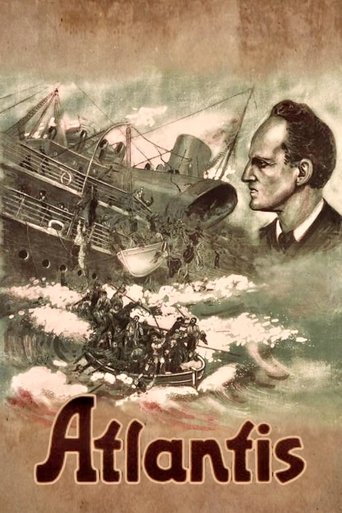
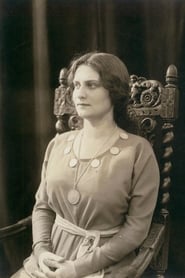
Actress from the silent film era who achieved brief but notable recognition for her role in the 1913 film 'Atlantis.' Her career appears to have been extremely concentrated around this single significant work, which was one of the earliest full-length feature films produced in Denmark. Orloff's performance in 'Atlantis' was particularly noteworthy because the film contained one of cinema's earliest nude scenes, which was highly controversial for its time and brought significant attention to the production. The film, directed by August Blom and based on Gerhart Hauptmann's novel, was an international co-production between Denmark and Sweden that pushed boundaries in early cinema. Despite the impact of her appearance in this film, detailed records of Orloff's broader career or other film appearances are scarce, suggesting her time in the film industry was brief. Her contribution to early cinema, while limited in scope, represents an important moment in the evolution of film content and censorship debates in the 1910s.
The Craft
On Screen
As a silent era actress, Ida Orloff would have employed the exaggerated gestures and facial expressions typical of early cinema performance, using physical movement and expression to convey emotion without dialogue. Her role in 'Atlantis' required boldness for its time, particularly in the swimming scenes that pushed boundaries of what was acceptable in film.
Milestones
- Appeared in the groundbreaking film 'Atlantis' (1913)
- Participated in one of cinema's earliest controversial nude scenes
- Contributed to early Danish/Swedish cinema
Best Known For
Iconic Roles
Must-See Films
Working Relationships
Worked Often With
Studios
Why They Matter
Impact on Culture
Ida Orloff's contribution to cinema, though brief, represents an important moment in film history regarding the evolution of on-screen content and censorship. Her appearance in 'Atlantis' was part of a film that challenged the boundaries of what was acceptable in early cinema, particularly with its inclusion of nudity. The film sparked significant controversy and debate about moral standards in motion pictures, contributing to the eventual development of censorship codes in various countries. Her role, while small in scope, was part of a larger movement in European cinema that was more willing to push artistic and social boundaries than American films of the same period.
Lasting Legacy
Ida Orloff's legacy is primarily tied to her participation in one of early cinema's most controversial and technically ambitious films. While she did not achieve lasting fame or build an extensive filmography, her contribution to 'Atlantis' ensures her place in film history books that document the evolution of cinematic content and the early debates about censorship. The film itself is studied by film historians as an example of early European cinema's willingness to tackle mature themes and push technical boundaries, with Orloff's performance being a key element of its controversial nature.
Who They Inspired
Due to the extremely limited scope of her known film work, Ida Orloff's direct influence on other actors or filmmakers is difficult to trace. However, her participation in 'Atlantis' contributed to the broader conversation about artistic freedom in cinema and the limits of on-screen content, which influenced subsequent generations of filmmakers and actors who pushed for greater creative expression in film.
Off Screen
Very little documented information exists about Ida Orloff's personal life, which is common for many actors from the earliest days of cinema who did not achieve lasting fame. Her brief appearance in film history suggests she may have been a stage actress or model who was recruited specifically for the controversial scenes in 'Atlantis.'
Did You Know?
- 'Atlantis' (1913) was one of the first full-length feature films ever produced
- The film was based on a novel by Nobel Prize-winning author Gerhart Hauptmann
- Orloff's swimming scene was one of the first instances of nudity in mainstream cinema
- The film was an international co-production between Denmark and Sweden
- 'Atlantis' was released just months before the Titanic disaster, creating eerie parallels
- The film was banned or heavily censored in several countries due to its content
- Director August Blom was one of Denmark's most prolific early film directors
- The film's production company, Nordisk Film, was one of Europe's earliest film studios
Frequently Asked Questions
Who was Ida Orloff?
Silent era actress best known for her appearance in the 1913 film 'Atlantis,' one of early cinema's most controversial productions due to its inclusion of nudity.
What films is Ida Orloff best known for?
Titles linked here include Atlantis (1913).
When was Ida Orloff born and when did she die?
Specific birth and death dates for Ida Orloff are not well-documented, which is common for many actors from the earliest days of cinema who had brief careers.
What awards did Ida Orloff win?
There are no documented awards or nominations for Ida Orloff, as she was active in the very early days of cinema before formal award systems were established.
What was Ida Orloff's acting style?
As a silent era actress, Orloff would have used the exaggerated physical expressions typical of early cinema, with her role in 'Atlantis' requiring particular boldness for its controversial content.