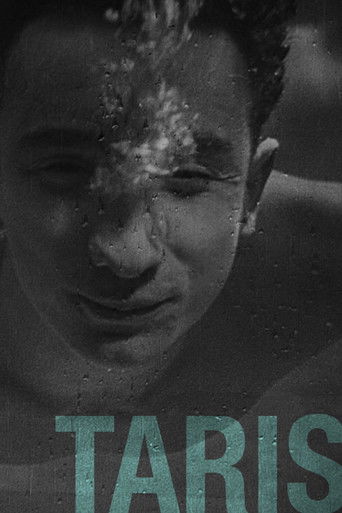

Jean Taris
Actor
Born: July 20, 1908 in Versailles, France Died: January 10, 1977 Active: 1931-1931 Birth Name: Jean Charles Taris
Films
1 film
About Jean Taris
French competitive swimmer who gained cinematic immortality as the subject of Jean Vigo's 1931 experimental film 'Taris, roi de l'eau' (Taris, King of the Water). A champion swimmer known for his technical prowess and elegant style in the water, Taris was selected by the visionary director Vigo to be the central figure in this innovative short documentary that explored the art and science of swimming through avant-garde cinematography. The film showcased Taris performing various swimming strokes and techniques, employing innovative camera work including underwater shots and slow-motion sequences that were revolutionary for their time. While Taris's competitive swimming career earned him recognition in athletic circles, it was his collaboration with Vigo that secured his place in cinema history. The film, though only nine minutes long, became a landmark of French avant-garde cinema and demonstrated how athletic movement could be transformed into artistic expression. Taris's graceful performance and Vigo's innovative direction created a work that transcended mere documentary to become a poetic meditation on movement, water, and the human form.
The Craft
On Screen
Natural athletic movement rather than traditional acting, characterized by fluid, graceful swimming motions that Vigo captured with artistic intent
Best Known For
Iconic Roles
Must-See Films
Accolades
Special Recognition
- Subject of a film preserved in the French National Archives
- Recognized in French swimming history
- Featured in retrospectives of Jean Vigo's work
Working Relationships
Worked Often With
Studios
Why They Matter
Impact on Culture
Jean Taris's appearance in Jean Vigo's film had a significant cultural impact by bridging the worlds of athletics and avant-garde cinema. The film demonstrated how sports could be elevated to artistic expression, influencing how athletic movement would be captured in film for decades to come. Taris's graceful swimming techniques, captured through Vigo's innovative cinematography including underwater shots and slow-motion sequences, helped establish new visual vocabulary for depicting movement in cinema. The film became part of the French avant-garde movement of the early 1930s, contributing to the development of poetic realism and experimental documentary techniques. Taris's performance showed how non-professional actors could create powerful cinematic moments through authentic physical presence and natural movement.
Lasting Legacy
Jean Taris's legacy exists primarily through his immortalization in Jean Vigo's masterpiece 'Taris, roi de l'eau.' The film remains a cornerstone of early experimental cinema and is regularly screened in film retrospectives and studied in film schools worldwide. While Taris himself was not a career actor, his contribution to cinema history is significant as the subject of. The film's preservation by the French National Archives ensures that Taris's athletic grace and Vigo's visionary direction will continue to influence filmmakers and cinema enthusiasts. His name remains associated with the brief but important moment when athletic artistry met avant-garde filmmaking in 1930s France.
Who They Inspired
Taris's influence extends primarily through how his swimming performance demonstrated the artistic potential of athletic movement in cinema. The film influenced subsequent documentary filmmakers in their approach to capturing physical activities and sports. His collaboration with Vigo helped establish precedents for using non-professional subjects in artistic films, a technique that would become common in documentary and experimental cinema. The underwater photography techniques used to film Taris influenced underwater cinematography in both documentary and feature films for decades. His performance showed how natural athletic ability could be more compelling than traditional acting when captured by a visionary director.
Off Screen
Jean Taris was primarily known as a competitive swimmer rather than a film personality. His life was largely dedicated to athletics and swimming competitions in France during the 1920s and 1930s. The film 'Taris' represented a unique intersection of his athletic career with the burgeoning French avant-garde film movement. After his swimming career, Taris lived a relatively private life away from the public eye, though his contribution to cinema through Vigo's film ensured his lasting cultural significance.
Education
Information about formal education not publicly documented, though he received extensive swimming training and coaching
Family
- Information not publicly available
Did You Know?
- The film 'Taris' was only 9 minutes long but took several days to shoot
- Jean Vigo used innovative techniques including underwater cameras and slow motion to capture Taris's swimming
- The film was one of the first to use synchronized sound with underwater footage
- Taris — real competitive swimmer, not a professional actor
- The film was commissioned as an educational film but became an avant-garde masterpiece
- Vigo filmed Taris swimming both forward and backward to create visual symmetry
- The film includes shots of Taris swimming in slow motion, which was technically challenging in 1931
- Taris's swimming demonstration was meant to be instructional but Vigo transformed it into art
- The film was preserved and restored by the French Cinémathèque
- Taris was reportedly paid very little for his appearance in the film
In Their Own Words
No recorded quotes from Jean Taris are available in historical records
Frequently Asked Questions
Who was Jean Taris?
French competitive swimmer who became the subject of Jean Vigo's influential 1931 experimental film 'Taris, roi de l'eau.' While primarily known as an athlete, his graceful swimming performance captured by Vigo's innovative cinematography secured his place in cinema history as an important figure in early avant-garde film.
What films is Jean Taris best known for?
Titles linked here include Taris, roi de l'eau (1931).
When was Jean Taris born and when did he die?
Born July 20, 1908; died January 10, 1977.
What awards did Jean Taris win?
Jean Taris did not receive any acting awards or film industry honors, as he was not a professional actor. However, he was recognized as a champion swimmer in France during the 1920s and 1930s, and the film featuring him has been preserved as an important work of cinema history.
What was Jean Taris's acting style?
Jean Taris did not employ a traditional acting style but rather brought natural athletic movement to his film appearance. His performance was characterized by authentic swimming techniques and graceful physical presence, which Vigo captured using innovative cinematography to transform athletic movement into artistic expression.