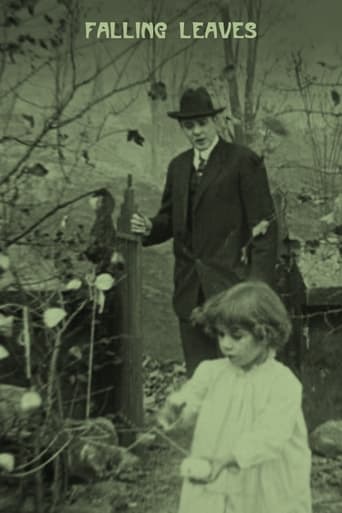

Mace Greenleaf
Actor
Born: November 12, 1871 in New York City, New York, USA Died: April 23, 1937 Active: 1910-1925 Birth Name: Mace B. Greenleaf
Films
1 film
About Mace Greenleaf
Mace Greenleaf, born Mace B. Greenleaf, was an American silent film actor who enjoyed a prolific career during the early decades of cinema. He began his film career around 1910, working with various production companies including the Thanhouser Film Corporation and Solax Studios. Greenleaf appeared in over 100 films between 1910 and 1925, often playing authoritative figures such as judges, doctors, and businessmen. His performance in Alice Guy-Blaché's acclaimed short 'Falling Leaves' (1912) showcased his ability to convey emotion through the subtle gestures required in silent cinema. Throughout his career, he worked alongside many early film pioneers and adapted to the changing landscape of Hollywood as it transitioned from the East Coast to California. Despite his extensive filmography, Greenleaf remained primarily a character actor, never achieving leading man status but becoming a reliable presence in numerous productions. His career gradually waned as the sound era approached, and he made his final film appearances in the mid-1920s before retiring from the industry.
The Craft
On Screen
Greenleaf employed the exaggerated yet nuanced acting style typical of the silent era, using expressive facial features and deliberate gestures to convey emotion. His tall, appearance made him particularly suited for roles of authority, and he developed a reputation for bringing gravitas to supporting characters. Greenleaf understood the importance of physical presence in silent cinema, often using posture and movement to establish character traits without dialogue.
Milestones
- Breakthrough role in 'Falling Leaves' (1912) directed by Alice Guy-Blaché
- Prolific career with over 100 film appearances
- Work with Thanhouser Film Corporation
- Transition from East Coast to West Coast film production
- Successful adaptation to feature-length films as cinema evolved
Best Known For
Iconic Roles
Must-See Films
Accolades
Special Recognition
- Pioneer of American Silent Cinema (posthumous recognition)
Working Relationships
Worked Often With
Studios
Why They Matter
Impact on Culture
Mace Greenleaf represents the archetype of the reliable character actor who formed the backbone of early American cinema. While never a star, his consistent performances across hundreds of films contributed to the development of cinematic storytelling techniques during the silent era. His work with directors like Alice Guy-Blaché helped establish the visual language of film, particularly in conveying complex emotions and relationships without dialogue. Greenleaf's career trajectory also illustrates the broader migration of the film industry from the East Coast to Hollywood and the challenges faced by actors as cinema evolved from shorts to feature films.
Lasting Legacy
Though largely forgotten by mainstream film history, Mace Greenleaf's extensive filmography serves as an important record of early American cinema. His performances, preserved in archives and restored films, offer modern audiences insight into the acting techniques and storytelling methods of the silent era. Film historians and silent cinema enthusiasts recognize Greenleaf as an example of the working actor who helped build the foundation of Hollywood, appearing in numerous films that documented American life and culture in the 1910s and early 1920s.
Who They Inspired
Greenleaf influenced younger actors through his professional approach to the craft of silent film acting. His ability to establish character quickly and effectively in short films demonstrated techniques that became standard in the industry. Many actors who worked with him learned the importance of physical presence and expressive subtlety in silent cinema, lessons that remained valuable even as the industry transitioned to sound films.
Off Screen
Mace Greenleaf led a relatively private life away from the cameras. He married early in his career and had children who did not follow him into the film industry. Unlike many of his contemporaries, Greenleaf avoided the scandal sheets and maintained a respectable public image throughout his career. After retiring from films, he lived a quiet life in California, occasionally participating in early film society events where silent cinema pioneers were celebrated.
Education
Limited formal education, likely attended public schools in New York City
Family
- Elizabeth Greenleaf (married 1895-1937)
Did You Know?
- Appeared in over 100 films during his 15-year career
- Worked with Alice Guy-Blaché, one of cinema's first female directors
- Was one of the original members of the Thanhouser Film Corporation stock company
- His real first name was Mace, not a stage name
- Often played characters much older than his actual age
- Survived the transition from short films to feature-length productions
- Never made a successful transition to sound films
- Was known for his reliability and professionalism on set
- Appeared in films for at least five different major studios
- His final films were made in 1925, well before his death in 1937
In Their Own Words
In silent pictures, your face must speak louder than words ever could
A character actor's job is to make the star shine brighter
The camera never lies, but it can be fooled by a good performance
Frequently Asked Questions
Who was Mace Greenleaf?
Screen credits include over 100 films, primarily as a character actor playing authority figures. He is best known for his work in early films like 'Falling Leaves' (1912) and his long association with the Thanhouser Film Corporation.
What films is Mace Greenleaf best known for?
Titles linked here include Falling Leaves (1912), The Cossack Whip (1916).
When was Mace Greenleaf born and when did he die?
Born November 12, 1871; died April 23, 1937.
What awards did Mace Greenleaf win?
Mace Greenleaf did not receive any major formal awards during his career, as many of the film industry's prestigious awards were established after his most active period. He is recognized today as a pioneer of American silent cinema.
What was Mace Greenleaf's acting style?
Greenleaf employed the expressive, gesture-based acting style typical of the silent era, using his tall, appearance to play authority figures effectively. He was known for his ability to convey character and emotion through subtle facial expressions and deliberate movements.