Films
3 films
About Albert Dieudonné
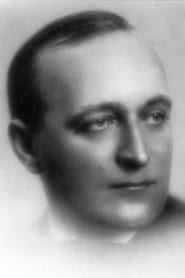
French actor who emerged during the years of cinema, working primarily in the silent film era of the early 20th century. His career, though brief and concentrated in the foundational period of French cinema, placed him at the forefront of cinematic innovation when the medium was still establishing its artistic language. Dieudonné's most significant contribution came through his role in 'The Assassination of the Duke de Guise' (1908), a landmark historical film that represented one of France's earliest attempts at sophisticated narrative filmmaking. His work in this period coincided with the transition from simple actualités to more complex storytelling films, positioning him as an important figure in the development of French cinematic art. Though his filmography was limited to the early 1910s, his participation in these productions helped establish the foundation for French narrative cinema. His the crucial period when French cinema, particularly through companies like Pathé and Gaumont, was leading the world in film production and artistic innovation.
The Craft
On Screen
As an actor in the early silent era, Dieudonné would have employed the theatrical, exaggerated gestures typical of pre-1920s cinema, where physical expression was paramount due to the absence of synchronized sound. His style likely reflected the transition from stage acting to the more intimate medium of film, though still maintaining the broad movements necessary for audiences to understand emotions and actions without dialogue. The period in which he worked demanded actors who could convey complex historical narratives through posture, gesture, and facial expression alone.
Milestones
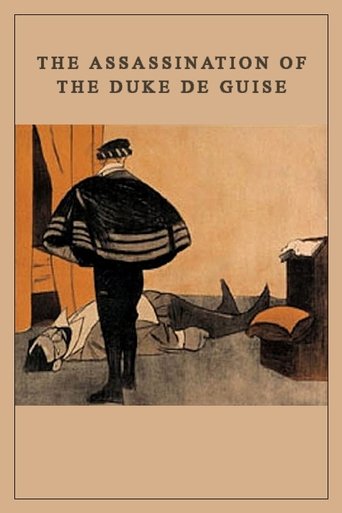
- Starred in 'The Assassination of the Duke de Guise' (1908), one of France's earliest narrative films with artistic aspirations
- Appeared in 'The Black Diamond' (1913) during the peak of French silent cinema
- Participated in the formative years of French narrative filmmaking
- Worked during the golden age of Pathé and Gaumont film production
Best Known For
Iconic Roles
Must-See Films
Working Relationships
Worked Often With
Studios
Why They Matter
Impact on Culture
Albert Dieudonné's cultural impact, while modest in scale, is significant due to his participation in. 'The Assassination of the Duke de Guise' represented a major step forward in cinematic artistry, featuring elaborate sets, costumes, and an original score by renowned composer Camille Saint-Saëns. Dieudonné's contribution to this film places him among the pioneers who helped establish cinema as a legitimate art form rather than mere entertainment. His work exemplifies the transition from simple actualités to complex narrative films that would define the future of cinema.
Lasting Legacy
Dieudonné's legacy is tied to the early development of French narrative cinema during its most innovative period. While not a household name like some later silent film stars, his participation in films of the 1900s and early 1910s makes him part of the foundation upon which French cinema built its international reputation. His work shows the actors who helped establish the vocabulary of film performance before the star system fully developed.
Who They Inspired
As an early film actor, Dieudonné's influence would have been primarily on the development of screen acting techniques during cinema's formative years. The performances in films like 'The Assassination of the Duke de Guise' helped establish how actors could effectively communicate emotion and narrative through visual means alone, influencing subsequent generations of silent film performers.
Off Screen
Very limited biographical information survives about Albert Dieudonné's personal life, which is common for actors from the earliest period of cinema when film performers were not yet considered celebrities in the modern sense. Most actors from this era came from theatrical backgrounds and often returned to stage work when their film careers concluded.
Did You Know?
- 'The Assassination of the Duke de Guise' (1908) featured an original musical score by famous composer Camille Saint-Saëns, making it one of the first films with specially composed music
- The film was produced by the Société Film d'Art, which aimed to elevate cinema to the level of legitimate theater
- During Dieudonné's active period (1908-1913), France was the world's leading film producer
- Early film actors like Dieudonné often remained anonymous in credits, as the concept of film stardom had not yet developed
- The historical subject matter of his most famous film reflected the French cinema's early fascination with national history
- Very few actors from this specific period of French cinema have extensive surviving biographical records
- The technical limitations of 1908 required actors to perform under harsh lighting conditions with heavy makeup
- Early French films of this era were often shown internationally, making actors like Dieudonné some of the first global film performers
Frequently Asked Questions
Who was Albert Dieudonné?
French with credits in this catalog.
What films is Albert Dieudonné best known for?
Titles linked here include The Assassination of the Duke de Guise (1908), The Black Diamond (1913).
When was Albert Dieudonné active in film?
Born 1869; died death date not listed.
What was significant about 'The Assassination of the Duke de Guise'?
The film was as one of the first French narrative films with artistic aspirations, featuring elaborate production design and an original score by renowned composer Camille Saint-Saëns, representing cinema's evolution toward legitimate art.
What was Albert Dieudonné's acting style?
Like most actors of the early silent era, Dieudonné would have used theatrical, exaggerated gestures and expressions to convey emotion and narrative without dialogue, typical of pre-1920s film performance techniques.
Why is information about Albert Dieudonné limited?
Detailed biographical information about many early film actors is scarce because cinema was not yet considered a prestigious art form, and performers from this era were not documented as thoroughly as later film stars.