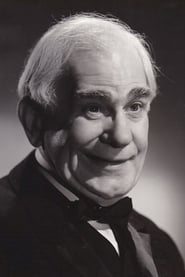
Erskine Sanford
Actor
Born: December 19, 1885 in Trinidad, Colorado, USA Died: June 22, 1969 Active: 1931-1953
Films
1 film
About Erskine Sanford
American character actor: over three decades in Hollywood's Golden Age. Born in Colorado in 1885, Sanford began his film career in the early 1930s and quickly established himself as a reliable supporting actor, often portraying bankers, executives, government officials, and other authority figures with his distinctive dignified bearing and precise delivery. He became a favorite of director Frank Capra, appearing in several of the director's most celebrated films including 'Mr. Smith Goes to Washington' (1939), 'Meet John Doe' (1941), and 'It's a Wonderful Life' (1946). Sanford's stern yet often benevolent screen presence made him instantly recognizable to audiences of the era. Beyond his work with Capra, he appeared in numerous other classic films such as 'The Best Years of Our Lives' (1946), 'Arsenic and Old Lace' (1944), and 'The Man Who Came to Dinner' (1942). His final film appearances were in the early 1950s, after which he retired from acting. Sanford passed away in 1969, leaving behind a legacy of memorable performances that helped define the character actor archetype in classic Hollywood cinema.
The Craft
On Screen
Sanford specialized in portraying stern, authoritative figures with a distinctive formal and precise acting style. His performances were characterized by a measured delivery, upright posture, and an ability to convey both gravitas and underlying humanity. He excelled at playing bankers, government officials, and business executives, bringing a sense of authenticity to these roles through his natural bearing and clear diction. Sanford's approach was subtle yet effective, often using minimal gestures and facial expressions to maximum effect, making his characters memorable despite limited screen time.
Milestones
- Frequent collaborator with director Frank Capra
- Member of Capra's unofficial stock company of actors
- Appeared in 'It's a Wonderful Life' as the bank examiner
- Featured in 'Mr. Smith Goes to Washington' as a Senate clerk
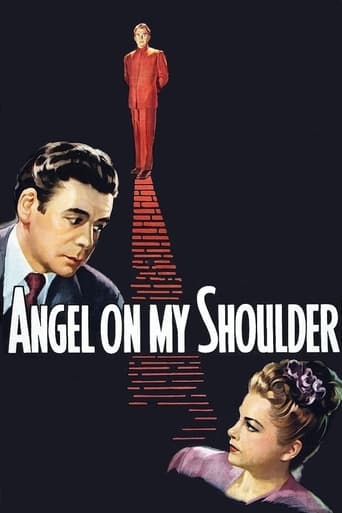
- Appeared in 'Angel on My Shoulder' (1946)
- Portrayed authority figures in over 100 films
- Worked with major Hollywood studios including RKO and Warner Bros.
Best Known For
Iconic Roles
Must-See Films
Working Relationships
Worked Often With
Studios
Why They Matter
Impact on Culture
Erskine Sanford contributed significantly to the fabric of Golden Age Hollywood cinema through his consistent and memorable character performances. As part of Frank Capra's unofficial stock company, he helped create the distinctive world of Capra's films, which often celebrated the common person against corrupt institutions. Sanford's portrayals of authority figures provided the necessary counterpoint to the democratic ideals championed in these films. His work exemplified the importance of character actors in creating believable cinematic worlds, and his face became familiar to millions of moviegoers during Hollywood's golden era.
Lasting Legacy
Erskine Sanford's legacy lies in his contribution to some of the most beloved films in American cinema history. While never a leading man, his consistent presence in supporting roles helped define the character actor archetype during Hollywood's Golden Age. His performances in Capra films continue to be appreciated by film scholars and classic movie enthusiasts, representing the craftsmanship and professionalism of studio-era character actors. Sanford's work serves as a reminder of the crucial role that supporting actors play in the success of great films.
Who They Inspired
As a respected character actor, Sanford influenced subsequent generations of supporting actors through his professional approach and consistent performances. His ability to make even small roles memorable demonstrated the importance of character actors in creating fully realized cinematic worlds. While he didn't mentor specific individuals directly, his work ethic and the quality of his performances set a standard for character actors in Hollywood's studio system and beyond.
Off Screen
Erskine Sanford maintained a relatively private personal life away from the Hollywood spotlight. Born in Trinidad, Colorado, he eventually made his way to Hollywood to pursue an acting career in the early days of sound films. Unlike many of his contemporaries, Sanford avoided the tabloid press and kept details of his personal life largely confidential. He was known among his colleagues as a professional and reliable actor who took his craft seriously but didn't seek the limelight off-camera.
Did You Know?
- Appeared in over 100 films during his 22-year career
- Was part of director Frank Capra's unofficial stock company of actors
- Often played bankers, government officials, and business executives
- His stern appearance made him perfect for authority figure roles
- Appeared in both 'It's a Wonderful Life' and 'The Best Years of Our Lives' in 1946, two of the most acclaimed films of that year
- Never received on-screen credit for many of his early film roles
- His distinctive voice and diction made him valuable in the early sound film era
- Worked with virtually every major studio during his career
- His final film appearance was in 1953
- Despite his prolific career, he remained largely unknown to the general public by name
Frequently Asked Questions
Who was Erskine Sanford?
American character with credits in this catalog. He appeared in over 100 films between 1931 and 1953, working frequently with director Frank Capra and becoming part of Capra's unofficial stock company of actors.
What films is Erskine Sanford best known for?
Titles linked here include It's a Wonderful Life (1946), Mr. Smith Goes to Washington (1939).
When was Erskine Sanford born and when did he die?
Born December 19, 1885; died June 22, 1969.
What awards did Erskine Sanford win?
Despite his prolific career and memorable performances, Erskine Sanford did not receive major awards or nominations during his lifetime. Like many character actors of his era, his contributions were primarily recognized through consistent employment and the respect of his colleagues rather than formal accolades.
What was Erskine Sanford's acting style?
Sanford specialized in portraying stern, authoritative figures with a formal and precise acting style. His performances were characterized by measured delivery, upright posture, and the ability to convey both gravitas and underlying humanity. He excelled at making even small supporting roles memorable through his distinctive presence and professional approach to his craft.