
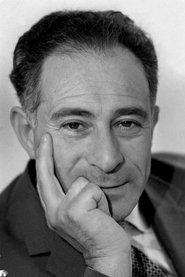
Georgi Natanson
Director
Born: January 28, 1919 in Moscow, Soviet Russia Died: December 17, 2017 Active: 1957-1985 Birth Name: Georgy Grigoryevich Natanson
Films
1 film
About Georgi Natanson
Georgy Natanson — prominent Soviet film director and screenwriter who made significant contributions to Soviet cinema during the mid-20th century. Born in 1919, he emerged as a talented filmmaker during the post-Stalin era, when Soviet cinema was experiencing a cultural thaw. His several decades, during which he directed numerous films that captured the social and cultural dynamics of Soviet society. Natanson was particularly known for his ability to blend entertainment with social commentary, creating films that resonated with Soviet audiences while navigating the complex censorship requirements of the era. His work often featured strong character studies and explored themes of love, duty, and personal growth within the Soviet context. Beyond directing, Natanson also contributed as a screenwriter, bringing his unique perspective to the stories he brought to the screen. His films continue to be studied as important examples of Soviet cinema from the 1950s through the 1970s.
The Craft
Behind the Camera
Natanson's directing style was characterized by a blend of socialist realism with more nuanced character development, focusing on human stories within the Soviet framework. He had a particular talent for creating emotionally resonant narratives that explored personal relationships and moral dilemmas while adhering to Soviet ideological requirements. His films often featured strong performances and careful attention to visual composition, with a preference for intimate storytelling over grand spectacle.
Milestones
- Directed 'White Acacia' (1957)
- Directed 'The Chairman' (1964)
- Directed 'Eternal Call' (1973)
- Graduated from Gerasimov Institute of Cinematography (VGIK)
- Worked at Mosfilm studio for most of his career
Best Known For
Must-See Films
Accolades
Won
- Honored Artist of the RSFSR (1969)
- People's Artist of the RSFSR (1979)
- Order of the Badge of Honour
- Order of Friendship of Peoples
Nominated
- State Prize of the RSFSR nomination for 'The Chairman' (1964)
Special Recognition
- VGIK graduate honors
- Mosfilm studio recognition for long-term contributions
Working Relationships
Worked Often With
Studios
Why They Matter
Impact on Culture
Georgy Natanson played a significant role in the development of Soviet cinema during the Khrushchev Thaw and subsequent periods. His films contributed to the evolution of Soviet filmmaking by introducing more complex characterizations and exploring themes that went beyond traditional socialist realism. 'White Acacia' became particularly notable for its musical elements and romantic storytelling, representing a shift toward more entertainment-focused cinema within the Soviet system. His work helped bridge the gap between ideologically-driven content and popular entertainment, influencing how Soviet audiences engaged with cinema as both art and cultural reflection.
Lasting Legacy
Natanson's legacy endures through his body of work that documents and reflects Soviet society during a transformative period. His films are frequently studied in film schools and retrospectives as examples of mid-century Soviet cinema that managed to balance artistic merit with ideological requirements. The emotional depth and humanistic elements in his storytelling have ensured that his films remain relevant to contemporary audiences interested in understanding Soviet culture and history. His contributions to Mosfilm studio and mentorship of younger filmmakers have left a lasting impact on Russian cinema.
Who They Inspired
Natanson influenced subsequent generations of Soviet and Russian filmmakers by demonstrating how to create compelling narratives within restrictive systems. His approach to character development and blending of entertainment with social commentary served as a model for directors working in state-controlled film industries. His work at VGIK and mentorship of young directors helped shape the next wave of Soviet filmmakers who would later gain international recognition during the glasnost period.
Off Screen
Georgy Natanson led a relatively private life focused on his cinematic work. He was married to actress Yelena Kozelkova, with whom he frequently collaborated on various film projects. The couple had one son, Dmitry Natanson, who also pursued a career in the film industry. Natanson was known among his colleagues as a thoughtful and dedicated filmmaker who maintained strong professional relationships throughout his long career. He remained active in the film community well into his later years, often participating in retrospectives and film festivals that celebrated Soviet cinema.
Education
Graduated from Gerasimov Institute of Cinematography (VGIK) in Moscow, studied under prominent Soviet film directors of the 1940s
Family
- Yelena Kozelkova (1960s-2017)
Did You Know?
- White Acacia was one of the first Soviet musical films to gain widespread popularity
- Natanson often cast his wife Yelena Kozelkova in leading roles in his films
- He served in the Soviet Army during World War II before pursuing his film career
- His film 'The Chairman' was one of the first Soviet films to address rural leadership challenges
- Natanson was known for his meticulous preparation and extensive research for each project
- He maintained a close friendship with fellow director Andrei Tarkovsky during their early careers
- Many of his films featured original scores by prominent Soviet composers
- He was part of the 'Mosfilm generation' that defined Soviet cinema in the 1960s-70s
In Their Own Words
Cinema should not only reflect reality but also illuminate the human spirit within that reality
The greatest challenge in Soviet filmmaking was finding truth within the boundaries we were given
Every film is a conversation between the director and the audience, across time and space
Frequently Asked Questions
Who was Georgy Natanson?
Georgy Natanson — prominent Soviet film director and screenwriter active from the 1950s through the 1980s, best known for directing films like 'White Acacia' (1957) and 'The Chairman' (1964). He was a significant figure in Soviet cinema during the post-Stalin era, creating films that balanced entertainment with social commentary within the Soviet system.
What films is Georgy Natanson best known for?
Titles linked here include White Acacia (1957), The Chairman (1964).
When was Georgy Natanson born and when did he die?
Born January 28, 1919; died December 17, 2017.
What awards did Georgy Natanson win?
Natanson received several prestigious honors including the title of Honored Artist of the RSFSR in 1969 and People's Artist of the RSFSR in 1979. He was also awarded the Order of the Badge of Honour and the Order of Friendship of Peoples for his contributions to Soviet cinema.
What was Georgy Natanson's directing style?
Natanson's directing style blended socialist realism with nuanced character development, focusing on human stories within the Soviet framework. He excelled at creating emotionally resonant narratives that explored personal relationships and moral dilemmas while adhering to Soviet ideological requirements, often featuring strong performances and careful visual composition.