
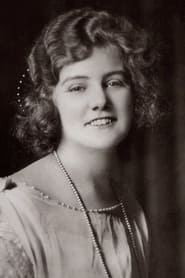
Margaret Leahy
Actor
Born: August 17, 1902 in London, England Died: February 14, 1967 Active: 1923
Films
1 film
About Margaret Leahy
British actress who achieved brief but notable fame during the silent film era through her discovery in an international beauty contest. Born in England in 1902, she won the prestigious 'Famous Players-Lasky' competition in 1922, which sought to discover new film talent from around the world. Her victory caught the attention of comedy genius Buster Keaton, who was looking for a leading lady for his ambitious feature film debut 'Three Ages' (1923). Keaton cast her as the female lead in all three segments of this innovative film, which parodied D.W. Griffith's 'Intolerance' by telling parallel stories across three historical periods. Despite her striking beauty and initial promise, Leahy struggled with the technical demands of film acting, particularly the precise timing required for physical comedy. After the completion of 'Three Ages,' she made no further films and essentially vanished from the entertainment industry, returning to England where she lived a private life away from the spotlight. Her story represents one of Hollywood's many tales of fleeting fame during the golden age of silent cinema.
The Craft
On Screen
Margaret Leahy's acting style was primarily naturalistic and photogenic, though she struggled with the precise physical timing required for silent film comedy. Her performance in 'Three Ages' showed promise with her expressive facial features and screen presence, but she lacked the technical skills that Buster Keaton required for his meticulously choreographed comedy sequences. Critics noted her beauty more than her acting ability, suggesting she was better suited for dramatic roles than the demanding physical comedy of Keaton's films.
Milestones
- Won the Famous Players-Lasky international talent competition in 1922
- Cast as leading lady in Buster Keaton's first feature film 'Three Ages' (1923)
- Appeared in all three segments of the innovative parallel narrative film
Best Known For
Iconic Roles
Must-See Films
Working Relationships
Worked Often With
Studios
Why They Matter
Impact on Culture
Margaret Leahy's cultural impact is primarily as a representative of the international talent searches conducted by Hollywood studios during the silent era. Her discovery through a beauty contest exemplifies how studios sought to find new faces to capitalize on the global popularity of American cinema. Although her career was brief, her casting in Buster Keaton's first feature film places her within an important moment in film history, as 'Three Ages' was a significant technical and narrative innovation in comedy filmmaking. Her story also illustrates the harsh realities of the studio system, where promising newcomers could quickly disappear if they failed to meet the industry's demanding standards.
Lasting Legacy
Margaret Leahy's legacy is that of a Hollywood curiosity - the beautiful British girl who won a major talent competition but couldn't sustain a film career. She is remembered primarily by silent film enthusiasts and Buster Keaton scholars as his first leading lady in a feature film. Her brief appearance in film history serves as a reminder of the countless aspiring actors who passed through Hollywood's gates during the silent era but left little lasting trace. Her story is often cited in discussions about the challenges faced by actors who lacked formal training or the specific skills required for silent film performance.
Who They Inspired
Due to her extremely brief career, Margaret Leahy had minimal direct influence on other actors or filmmakers. However, her casting through an international competition set a precedent for how studios would continue to discover new talent through contests and searches. Her experience also demonstrated the importance of technical skills in silent film acting, particularly for comedy, which may have influenced how studios approached talent development in subsequent years.
Off Screen
After her brief film career, Margaret Leahy returned to England and lived a largely private life away from the entertainment industry. She married and became Margaret Leahy Smith, maintaining her distance from Hollywood circles. Little is known about her later years, as she successfully avoided public attention after her film career ended. She spent the remainder of her life in England, where she died in 1967 at the age of 64.
Education
No formal acting training; discovered through beauty competition
Family
- Unknown Smith (married name, dates unknown)
Did You Know?
- Won the Famous Players-Lasky international competition that searched for new film talent across 73 countries
- Was discovered when she was working as a telephone operator in England
- Buster Keaton personally selected her from among the competition winners
- Her only film appearance was in 'Three Ages' (1923), Keaton's first feature-length film
- The film was structured as three parallel stories set in the Stone Age, Ancient Rome, and Modern Times
- Struggled with the precise timing required for Keaton's comedy sequences
- Keaton reportedly had to simplify some scenes to accommodate her limited acting experience
- After the film, she returned to England and never made another movie
- Her story is often cited as an example of the 'one-film wonder' phenomenon in early Hollywood
- Contemporary critics praised her beauty more than her acting ability in reviews
In Their Own Words
"I was a telephone operator in London when I heard about the competition. I never dreamed I would win and come to America." - Interview upon winning the talent competition
Frequently Asked Questions
Who was Margaret Leahy?
British actress who won an international talent competition in 1922 and was cast as Buster Keaton's leading lady in his first feature film 'Three Ages' (1923). Her film career lasted only one year before she returned to England to live a private life.
What films is Margaret Leahy best known for?
Titles linked here include Three Ages (1923).
When was Margaret Leahy born and when did she die?
Born August 17, 1902; died February 14, 1967.
How did Margaret Leahy get discovered?
She was discovered after winning the Famous Players-Lasky international talent competition in 1922, which searched for new film talent across 73 countries. Buster Keaton personally selected her from among the winners.
Why did Margaret Leahy's career end so quickly?
Her career ended quickly because she struggled with the technical demands of silent film acting, particularly the precise timing required for physical comedy in Buster Keaton's films. After 'Three Ages,' she chose not to pursue further film work.
What was Margaret Leahy's acting style?
Her acting style was primarily naturalistic with strong visual appeal, but she lacked the technical skills and timing required for silent film comedy. Critics noted her beauty more than her acting ability, suggesting she was better suited for dramatic roles.
Did Margaret Leahy receive any awards or recognition?
Her only notable recognition was winning the Famous Players-Lasky international talent competition in 1922, which directly led to her film career. She did not receive any traditional film industry awards.