
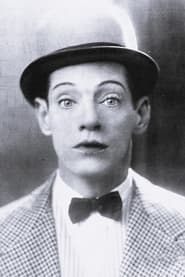
Eddie Borden
Actor
Born: May 1, 1888 in Virginia, USA Died: July 2, 1958 Active: 1914-1948 Birth Name: Edward Joseph Borden
Films
1 film
About Eddie Borden
Prolific American character actor: over three decades of classic Hollywood cinema. Born Edward Joseph Borden in 1888, he began his film career during the silent era and quickly established himself as a reliable supporting player in numerous productions. Borden became particularly known for his work in comedy films, appearing alongside figures like Buster Keaton, Charlie Chaplin, Harold Lloyd, and later the Three Stooges. His filmography contains over 200 credits, demonstrating his remarkable productivity and versatility as an actor. He successfully navigated the challenging transition from silent films to talkies, maintaining his career well into the sound era. Borden was equally adept at playing authority figures, villains, and comic relief roles, making him a valuable asset to directors seeking reliable character actors. His final film appearances occurred in the late 1940s, after which he retired from the entertainment industry. He spent his final years in Los Angeles until his passing in 1958.
The Craft
On Screen
Borden — versatile character actor known for his adaptability across various genres, though he excelled particularly in comedy. His acting style was characterized by a naturalistic approach that made his characters believable whether he was playing stern authority figures, comical villains, or sympathetic supporting roles. In silent films, he used expressive facial features and physical comedy to convey emotion and humor effectively. When transitioning to talkies, his clear diction and distinctive voice helped maintain his career momentum. Borden had a particular talent for deadpan delivery and timing, making him especially valuable in comedy productions where his reactions could enhance the main performers' gags.
Milestones
- Appeared in over 200 films during his career
- Worked with Buster Keaton in multiple films including Battling Butler (1926)
- Successfully transitioned from silent films to talkies
- Became a regular supporting player in Three Stooges shorts
- Worked with Charlie Chaplin in City Lights (1931)
- Appeared in Harold Lloyd's The Freshman (1925)
- Maintained steady employment through the Great Depression era
Best Known For
Iconic Roles
Must-See Films
Working Relationships
Worked Often With
Studios
Why They Matter
Impact on Culture
Eddie Borden represents the essential but often overlooked character actors who formed the backbone of classic Hollywood cinema. His consistent presence in over 200 films helped create the supporting performances that gave classic films their depth and authenticity. Borden's work with comedy legends like Keaton and Chaplin contributed to some of the most influential comedy films in cinema history. His ability to seamlessly transition from silent to sound films exemplifies the adaptability required of actors during this transformative period in Hollywood. While never a star himself, Borden's reliable performances enabled the leading actors to shine, demonstrating the crucial importance of supporting talent in film production.
Lasting Legacy
Eddie Borden's legacy lies in his contribution to the golden age of Hollywood comedy and his embodiment of the working character actor. His extensive filmography serves as a valuable record of the types of supporting roles that populated classic films, providing modern scholars and film enthusiasts with insight into the structure of early Hollywood productions. Borden's work with major comedy stars helped define the visual language of American film comedy, particularly in the silent era. His career demonstrates the possibility of longevity in Hollywood through versatility, reliability, and professionalism rather than stardom. While not a household name, film historians recognize Borden as representative of the hundreds of talented actors who made classic cinema possible through their consistent, quality performances.
Who They Inspired
While Eddie Borden was not known for mentoring other actors directly, his professional approach and longevity influenced subsequent generations of character actors. His ability to work across multiple studios and with various stars demonstrated the value of adaptability in the film industry. Borden's success in transitioning from silent to sound films provided a model for other actors facing similar challenges during the technological revolution in cinema. His performances in classic comedy films continue to be studied by film scholars and comedy enthusiasts interested in understanding the mechanics of ensemble comedy and the importance of supporting performances in creating memorable film moments.
Off Screen
Eddie Borden maintained a relatively private personal life despite his lengthy Hollywood career. He was known among colleagues as a professional and reliable actor who took his craft seriously. Unlike many of his contemporaries, Borden avoided the Hollywood party scene and focused primarily on his work. He was married and had children, though details about his family life remain limited in historical records. Borden was respected by his fellow actors for his consistency and willingness to take on any role, no matter how small, to contribute to a production's success.
Education
Unknown (educational background not documented in historical records)
Family
- Unknown (marriage details not publicly documented)
Did You Know?
- Appeared in more than 200 films between 1914 and 1948
- Worked with all three major silent comedy stars: Keaton, Chaplin, and Lloyd
- His birth name was Edward Joseph Borden
- Often played villains or authority figures in comedy films
- Was a regular in Three Stooges shorts during their Columbia Pictures period
- Appeared without on-screen billing in many of his later film roles
- Survived the transition from silent films to talkies, a feat many actors couldn't manage
- Was often typecast as a policeman or official due to his authoritative appearance
- His final film appearances were in the late 1940s
- Never received top billing but was consistently employed throughout his career
In Their Own Words
No documented famous quotes - as a character actor, he was known for his performances rather than memorable lines
Frequently Asked Questions
Who was Eddie Borden?
Screen credits include over 200 films during the silent era and Golden Age of Hollywood. He was known for his supporting roles in comedy films, working with legends like Buster Keaton, Charlie Chaplin, and the Three Stooges throughout his career from 1914 to 1948.
What films is Eddie Borden best known for?
Titles linked here include Battling Butler (1926), The General (1926).
When was Eddie Borden born and when did he die?
Born May 1, 1888; died July 2, 1958.
What awards did Eddie Borden win?
Eddie Borden did not receive any major awards or nominations during his career. Like many character actors of his era, he was valued for his reliability and versatility rather than industry recognition, though he maintained steady employment throughout his lengthy career.
What was Eddie Borden's acting style?
Eddie Borden was known for his versatile and naturalistic acting style, particularly adept at playing authority figures, villains, and comic relief roles. He successfully transitioned from silent films to talkies, using expressive physical comedy in silent films and clear diction in sound films, with a particular talent for deadpan delivery and timing in comedy.