Victor Heerman
Director
Born: August 27, 1893 in Surrey, England Died: September 3, 1977 Active: 1915-1935
Films
2 films
About Victor Heerman
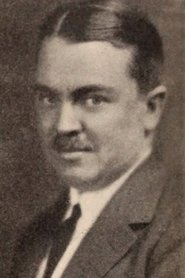
Victor Heerman (August 27, 1893 – September 3, 1977) was a film director and screenwriter who worked during the silent era and early sound period of Hollywood. Born in England, he immigrated to the United States as a child and began his film career as an actor in the 1910s before transitioning to directing in the early 1920s. Heerman directed numerous silent films throughout the 1920s, working with major studios and collaborating with some of the era's biggest stars, particularly child actor Jackie Coogan. He successfully made the transition to sound films in the late 1920s and early 1930s, though his directing career began to wane by the mid-1930s. Later in his career, he focused more on screenwriting, co-writing the screenplay for the 1933 film 'Little Women' with his wife Sarah Y. Mason, which earned them an Academy Award nomination. Heerman's over three decades, during which he contributed significantly to both silent and early sound cinema, representing the journeyman filmmakers who formed the backbone of the Hollywood studio system.
The Craft
Behind the Camera
Heerman was known for his efficient, workmanlike approach to filmmaking with a particular talent for directing child actors. His films featured clear storytelling and emotional accessibility, making him adept at family-oriented dramas and comedies. He had a reputation for completing productions on time and within budget, which made him valuable to studio producers during the contract director era of Hollywood. His style emphasized narrative clarity and emotional resonance over technical innovation or visual experimentation.
Milestones
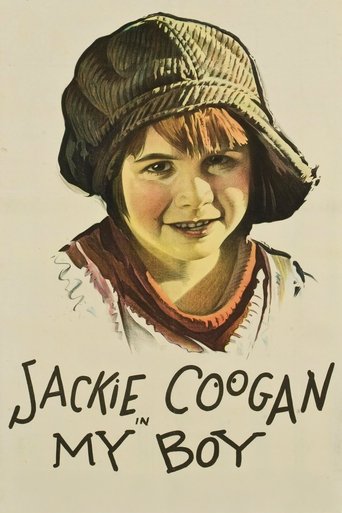
- Directed 'My Boy' (1921) starring Jackie Coogan
- Co-wrote the Academy Award-nominated screenplay for 'Little Women' (1933)
- Successfully transitioned from silent films to talkies
- Worked as assistant director for Cecil B. DeMille
- Directed over 30 films during the silent era
Best Known For
Must-See Films
Accolades
Nominated
- Academy Award nomination for Best Adapted Screenplay for 'Little Women' (1933)
Working Relationships
Worked Often With
Studios
Why They Matter
Impact on Culture
Victor Heerman's most significant cultural contribution came through his collaboration with Sarah Y. Mason on the screenplay for 'Little Women' (1933). Their adaptation of Louisa May Alcott's classic novel helped establish the template for literary adaptations in Hollywood and created. The film's success demonstrated the commercial viability of literary adaptations and influenced how studios approached classic literature for decades to come. Though less remembered than many of his contemporaries, Heerman's work directing child actors, particularly Jackie Coogan in 'My Boy,' contributed to the development of techniques for eliciting natural performances from young performers during the silent era.
Lasting Legacy
Victor Heerman's legacy in film history is primarily tied to his Academy Award-nominated screenplay for 'Little Women' and his work during the transitional period from silent to sound cinema. While not as celebrated as some of his contemporaries, Heerman represents the journeyman directors and screenwriters who formed the backbone of the Hollywood studio system. His ability to adapt to changing technologies and audience preferences exemplified the resilience required for a long career in early Hollywood. The continued popularity of 'Little Women' ensures that at least a portion of his work remains part of the cultural conversation about classic cinema.
Who They Inspired
Heerman's influence on cinema is most evident in the realm of literary adaptations, with his work on 'Little Women' helping to establish conventions for bringing classic literature to the screen that would be followed for decades. His experience directing child actors like Jackie Coogan also contributed to early techniques for working with young performers in film. While he didn't develop a distinctive cinematic style that influenced other directors, his practical approach to filmmaking and successful transition from silent to sound films provided a model for other directors navigating the technological changes of the late 1920s and early 1930s.
Off Screen
Victor Heerman was married to screenwriter Sarah Y. Mason, with whom he frequently collaborated on screenwriting projects. Their professional partnership was. Heerman and Mason worked together on several notable projects, with Mason often providing the story structure while Heerman contributed his directorial experience to their screenplays. Heerman spent his later years in Los Angeles, where he died in 1977 at the age of 84.
Family
- Sarah Y. Mason (approximately 1927-1977)
Did You Know?
- Victor Heerman was born in England but moved to the United States as a child, becoming a naturalized American citizen
- He began his film career as an actor in the 1910s before transitioning to directing
- He worked as an assistant director for Cecil B. DeMille early in his career
- 'My Boy' (1921) was one of several films he directed starring child actor Jackie Coogan
- His Academy Award nomination for 'Little Women' came as a screenwriter, not as a director
- Heerman and his wife Sarah Y. Mason were
- He successfully navigated the transition from silent films to talkies, a challenge that ended many careers during this period
- Despite his Academy Award nomination, Heerman's directing career had largely ended by the mid-1930s
- He directed over 30 films during his career, though most are now considered lost or obscure
- 'The Godless Girl' (1929), which he co-directed with Cecil B. DeMille, was one of the last major silent films
Frequently Asked Questions
Who was Victor Heerman?
on YTB.my. Born in England in 1893, he directed numerous films in the 1920s and later gained recognition for co-writing the screenplay for 'Little Women' (1933), which earned him an Academy Award nomination.
What films is Victor Heerman best known for?
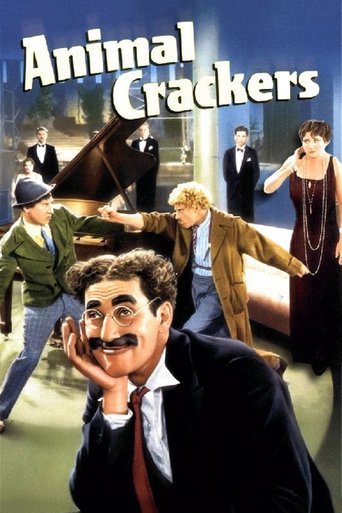
Titles linked here include My Boy (1921), Little Women (1933) as co-screenwriter.
When was Victor Heerman born and when did he die?
Born August 27, 1893; died September 3, 1977.
What awards did Victor Heerman win?
Victor Heerman received an Academy Award nomination for Best Adapted Screenplay for 'Little Women' (1933), which he co-wrote with his wife Sarah Y. Mason. While he did not win the Oscar, the nomination represented the highest recognition of his career.
What was Victor Heerman's directing style?
Heerman was known for his efficient, workmanlike approach to filmmaking with a particular talent for directing child actors. His films featured clear storytelling and emotional accessibility, making him adept at family-oriented dramas and comedies during the silent era.
Did Victor Heerman work with any famous actors?
Yes, Heerman worked with several notable actors of the silent era, most frequently with child star Jackie Coogan in films like 'My Boy' (1921) and 'Peck's Bad Boy' (1921). He also collaborated with major studios and worked under the direction of Cecil B. DeMille.
How did Victor Heerman transition from silent films to talkies?
Heerman successfully navigated the transition from silent to sound films in the late 1920s, a period when many directors struggled to adapt. While his directing career waned after the transition, he found continued success as a screenwriter, most notably with 'Little Women' in 1933.
Was Victor Heerman married?
Yes, Victor Heerman was married to screenwriter Sarah Y. Mason, with whom he frequently collaborated. Their professional partnership was.