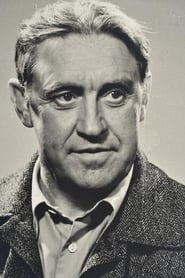
Franz Malmsten
Actor
Born: November 18, 1905 in Tallinn, Estonia (Russian Empire) Died: February 27, 1967 Active: 1930s-1967
Films
1 film
About Franz Malmsten
Estonian actor: both theater and film during Estonia's Soviet period. Born in Tallinn in 1905, he developed his craft primarily on the stage before transitioning to cinema. His film career, though brief, was marked by his memorable performance in 'Light Over Koordi' (1951), which became one of his most recognized screen appearances. Malmsten was known for his powerful stage presence and ability to convey deep emotion through subtle gestures and expressions. He worked extensively with Estonian theaters, particularly the Drama Theatre and the Estonian Youth Theatre, where he honed his acting skills. Despite the political constraints of the Soviet era, Malmsten managed to maintain artistic integrity in his performances. His career was cut short by his untimely death in 1967, but he on Estonian performing arts.
The Craft
On Screen
Known for his naturalistic approach and ability to portray complex characters with depth and authenticity. Malmsten's style was characterized by subtle facial expressions and controlled emotional delivery, which resonated particularly well with Estonian audiences. He had a commanding stage presence that translated effectively to the screen, bringing gravitas to his roles.
Milestones
- Stage debut at Estonian Drama Theatre
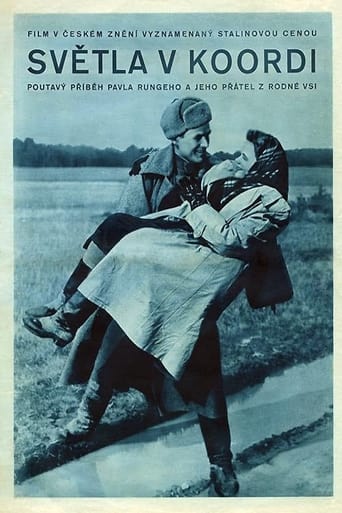
- Leading role in 'Light Over Koordi' (1951)
- Extensive theater career spanning three decades
- Recognition as one of Estonia's prominent character actors
Best Known For
Iconic Roles
Must-See Films
Accolades
Won
- Honored Artist of the Estonian SSR
Special Recognition
- Honored Artist of the Estonian SSR (1964)
Working Relationships
Worked Often With
Studios
Why They Matter
Impact on Culture
Franz Malmsten played a significant role in preserving Estonian cultural identity through his performances during the Soviet occupation. His work in both theater and film helped maintain the Estonian language and artistic traditions when they were under pressure from Soviet cultural policies. His performances in films like 'Light Over Koordi' contributed to the development of Estonian cinema as a medium for national expression.
Lasting Legacy
Malmsten's legacy lives on through his contributions to Estonian theater and film, particularly his role in establishing a tradition of quality acting in Estonian cinema. He is remembered as one of the character actors who helped define Estonian performing arts during the mid-20th century. His dedication to his craft and his ability to work within political constraints while maintaining artistic integrity serves as an inspiration to subsequent generations of Estonian actors.
Who They Inspired
Malmsten influenced subsequent generations of Estonian actors through his naturalistic acting style and commitment to character development. His approach to performance emphasized authenticity over theatrical excess, which became increasingly influential in Estonian theater and film. Many younger actors studied his techniques and incorporated elements of his style into their own work.
Off Screen
Franz Malmsten came from a family with artistic inclinations and was part of Estonia's cultural elite during the mid-20th century. He lived through significant historical periods including Estonia's independence, Soviet occupation, and World War II. His personal life was marked by dedication to his craft and commitment to Estonian cultural preservation during challenging political times.
Education
Studied acting at the Estonian Drama Theatre's studio program in the 1920s
Did You Know?
- His film career was relatively brief compared to his extensive theater work
- He received the title 'Honored Artist of the Estonian SSR' in 1964, three years before his death
- Worked during
- His performance in 'Light Over Koordi' is considered one of the highlights of 1950s Estonian cinema
- He was part of the generation that bridged pre-war and post-war Estonian theater
- Maintained his artistic integrity despite political pressures of the Soviet era
Frequently Asked Questions
Who was Franz Malmsten?
Prominent Estonian with credits in this catalog. He is particularly remembered for his role in 'Light Over Koordi' (1951) and his contributions to Estonian cultural life during the Soviet occupation period.
What films is Franz Malmsten best known for?
Titles linked here include Light Over Koordi (1951).
When was Franz Malmsten born and when did he die?
Born November 18, 1905; died February 27, 1967.
What awards did Franz Malmsten win?
Franz Malmsten was awarded the title 'Honored Artist of the Estonian SSR' in 1964, which was one of the highest cultural honors available to artists in Soviet Estonia. This recognition came three years before his death in 1967.
What was Franz Malmsten's acting style?
Malmsten was known for his naturalistic acting style characterized by subtle expressions and controlled emotional delivery. He brought authenticity and depth to his characters, with a commanding presence that worked effectively both on stage and screen.
How did Franz Malmsten impact Estonian culture?
Malmsten played a crucial role in preserving Estonian cultural identity during Soviet occupation through his performances in theater and film. His work helped maintain Estonian language and artistic traditions while working within the constraints of the Soviet cultural system.