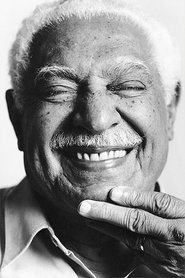
Dorival Caymmi
Actor
Born: April 30, 1914 in Salvador, Bahia, Brazil Died: August 16, 2008 Active: 1939 (film), 1933-2008 (music)
Films
1 film
About Dorival Caymmi
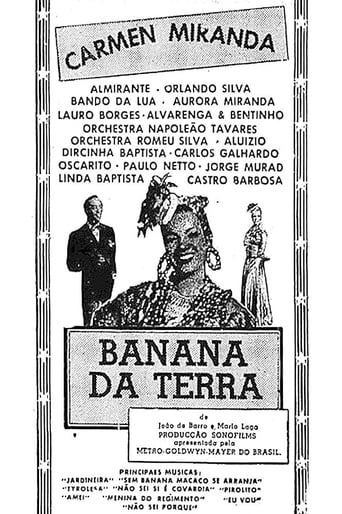
Brazilian composer, singer, and guitarist who became figures in Brazilian popular music history. Born in Salvador, Bahia, in 1914, Caymmi began his musical career in the 1930s, capturing the essence of Brazilian coastal life and the fishing communities of Bahia through his songs. His brief foray into cinema included appearing in the 1939 film 'Banana da Terra,' where he performed his own compositions, but his primary contribution to entertainment was through music rather than acting. Throughout his career spanning over seven decades, Caymmi composed over 100 songs that became classics of Brazilian music, including 'O Samba da Minha Terra' and 'A Lapa.' His work profoundly influenced bossa nova and tropicalismo movements, with artists like João Gilberto and Caetano Veloso citing him as a major inspiration. Despite his minimal acting career, his musical contributions to Brazilian cinema and culture were immeasurable, helping define the sound of Brazil for generations.
The Craft
On Screen
Naturalistic musical performance style, primarily appearing as himself to perform his own compositions rather than traditional character acting
Milestones
- Composed 'O Samba da Minha Terra' (1940)
- Appeared in 'Banana da Terra' (1939)
- Released first album 'Caymmi e Seu Violão' (1952)
- Won Shell Prize for Best Composer (1965)
- Inducted into Brazilian Academy of Music (1988)
- Received Latin Grammy Lifetime Achievement Award (2002)
Best Known For
Iconic Roles
Must-See Films
Accolades
Won
- Latin Grammy Lifetime Achievement Award (2002)
- Shell Prize for Best Composer (1965)
- Order of Cultural Merit (Brazil)
- Brazilian Music Awards Lifetime Achievement
Nominated
- Multiple Grammy nominations for Best World Music Album
- Latin Grammy nominations for various categories
Special Recognition
- Inducted into Brazilian Academy of Music (1988)
- Named one of the 100 Greatest Brazilians of All Time
- Cultural Patron of Bahia State
- Honored with multiple festivals and cultural centers named in his memory
Working Relationships
Worked Often With
Studios
Why They Matter
Impact on Culture
Dorival Caymmi fundamentally shaped Brazilian popular music by capturing the authentic voice of Brazil's coastal regions and working-class communities. His songs painted vivid portraits of fishermen, beach life, and the everyday struggles and joys of ordinary Brazilians, creating a musical narrative that resonated deeply with the national identity. Though his film career was minimal, his music became the soundtrack to Brazilian cinema for decades, with his compositions appearing in countless films that defined Brazilian culture. Caymmi's work bridged the gap between traditional samba and the emerging bossa nova movement, influencing generations of musicians and helping establish Brazilian music on the international stage.
Lasting Legacy
Dorival Caymmi's legacy extends far beyond his brief acting appearance, encompassing a revolutionary contribution to Brazilian music that continues to influence artists worldwide. His compositions became standards of the Brazilian songbook, recorded by countless international artists including Frank Sinatra and Ella Fitzgerald. The 'Caymmi sound' – characterized by gentle guitar accompaniment, poetic lyrics about the sea, and a uniquely Brazilian melancholy – became synonymous with authentic Brazilian culture. His children continued his musical dynasty, ensuring his artistic vision would span multiple generations. Today, Caymmi is revered as one of Brazil's greatest cultural treasures, with his songs remaining beloved classics that define the essence of Brazilian musical identity.
Who They Inspired
Caymmi's influence on Brazilian and world music cannot be overstated. He directly inspired the bossa nova movement, with João Gilberto and Antônio Carlos Jobim frequently citing his work as foundational to their own innovations. His approach to songwriting – focusing on everyday subjects with poetic simplicity – influenced countless Brazilian songwriters from Caetano Veloso to Chico Buarque. Internationally, his compositions helped introduce Brazilian music to global audiences, paving the way for the bossa nova boom of the 1960s. His emphasis on regional identity and authenticity inspired musicians worldwide to explore their own cultural roots rather than simply imitating international styles.
Off Screen
Dorival Caymmi married Stella Maris in 1946, with whom he had three children who all became musicians: Nana, Dori, and Danilo. The family became known as Brazil's 'first family of music,' with each child achieving significant success in their own right. Caymmi maintained deep connections to his Bahian roots throughout his life, often returning to Salvador for inspiration and to visit family. He was known for his humble demeanor despite his enormous success and remained deeply connected to the fishing communities and coastal culture that inspired his most famous compositions.
Education
Self-taught musician, no formal musical education
Family
- Stella Maris (1946-2008)
Did You Know?
- Despite appearing in only one film, 'Banana da Terra' (1939), he became one of Brazil's most beloved cultural figures
- His song 'O Samba da Minha Terra' was recorded by over 200 different artists
- He never learned to read music, composing entirely by ear
- His family home in Salvador became a gathering place for Brazil's greatest musicians
- Frank Sinatra recorded one of his songs, 'Maracangalha', though it was never officially released
- He composed his first song at age 13 while working as a street vendor
- Caymmi's music was featured in the film 'Black Orpheus' (1959), which won the Academy Award for Best Foreign Language Film
- He was known as 'O Poeta do Mar' (The Poet of the Sea) for his songs about ocean life
- His guitar style influenced countless Brazilian guitarists
- He continued performing and composing well into his 80s
In Their Own Words
A música é o espelho da alma do povo brasileiro
Não preciso sair do Brasil para encontrar inspiração
O mar é o meu maior mestre
Cada canção é uma história que o povo conta
A verdadeira música nasce do coração, não da técnica
Frequently Asked Questions
Who was Dorival Caymmi?
Legendary Brazilian composer, singer, and guitarist who became. Though he briefly appeared in the 1939 film 'Banana da Terra,' he was primarily known for his compositions that captured the essence of Brazilian coastal life and culture.
What films is Dorival Caymmi best known for?
Titles linked here include Banana da Terra (1939).
When was Dorival Caymmi born and when did he die?
Born April 30, 1914; died August 16, 2008.
What awards did Dorival Caymmi win?
Caymmi received numerous honors including the Latin Grammy Lifetime Achievement Award (2002), the Shell Prize for Best Composer (1965), and was inducted into the Brazilian Academy of Music (1988). He also received Brazil's Order of Cultural Merit.
What was Dorival Caymmi's musical style?
Caymmi's style was characterized by gentle guitar accompaniment, poetic lyrics about the sea and coastal life, and a uniquely Brazilian melancholy. His music blended traditional samba with folk elements, creating a sound that was both authentic and innovative.