
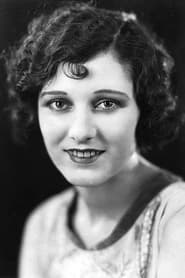
Georgia Hale
Actor
Born: July 24, 1900 in St. Joseph, Missouri, USA Died: June 17, 1985 Active: 1924-1928 Birth Name: Georgia Theodora Hale
Films
2 films
About Georgia Hale
American silent film actress born on July 24, 1900, in St. Joseph, Missouri, who achieved lasting fame despite a brief career spanning primarily from 1924 to 1928. Discovered by Charlie Chaplin when he saw her photograph in a newspaper, she was cast as the leading lady in his masterpiece 'The Gold Rush' (1925), playing the dance hall girl who captures the Little Tramp's heart. Her naturalistic acting style and expressive face made her perfect for the emotional depth required in Chaplin's blend of comedy and drama. That same year, she also starred in Josef von Sternberg's directorial debut 'The Salvation Hunters,' demonstrating her range beyond comedy. After her film career ended with the transition to sound, Hale successfully reinvented herself as an interior decorator and later as a real estate agent in California. She maintained a lifelong friendship with Chaplin and was one of the few people from his early career with whom he remained close until his death. Georgia Hale passed away on June 17, 1985, in Hollywood, but her performance in 'The Gold Rush' continues to be celebrated as a significant contribution to silent cinema history.
The Craft
On Screen
Georgia Hale's acting style was characterized by its naturalism and subtlety, which was somewhat unusual for the exaggerated performances common in many silent films. She had an expressive face that could convey complex emotions with minimal gestures, making her perfect for the emotional depth required in Chaplin's blend of comedy and drama. Her performance in 'The Gold Rush' demonstrated how silent film acting could be both emotionally authentic and visually compelling without resorting to the broad gestures typical of the era.
Milestones
- Discovered by Charlie Chaplin and cast as leading lady in 'The Gold Rush' (1925)
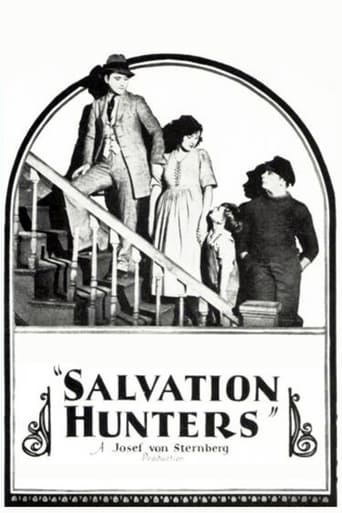
- Starred in Josef von Sternberg's directorial debut 'The Salvation Hunters' (1925)
- Became a popular actress in silent films during the mid-1920s
- Successfully transitioned to interior design after her acting career
- Maintained lifelong friendship with Charlie Chaplin
Best Known For
Iconic Roles
Must-See Films
Working Relationships
Worked Often With
Studios
Why They Matter
Impact on Culture
Georgia Hale's performance in 'The Gold Rush' represents an important contribution to silent cinema history. As the romantic interest in one of Chaplin's most acclaimed films, she helped create. Her portrayal of the dance hall girl who undergoes a transformation from cynical to caring provided the emotional heart of the film and demonstrated how Chaplin could blend comedy with genuine pathos. Though her career was brief, her work continues to be studied by film scholars interested in the golden age of silent cinema and Chaplin's artistic development. Her naturalistic acting style influenced how supporting actresses approached similar roles in subsequent Chaplin films and other silent comedies that sought to blend humor with genuine emotional depth.
Lasting Legacy
Georgia Hale's legacy is primarily tied to her role in 'The Gold Rush,' which remains. Her performance opposite Charlie Chaplin's Little Tramp is remembered for its subtlety and emotional depth, helping to create. Despite her brief film career, she has secured a place in film history through this iconic role. Her later career as an interior decorator also demonstrated her ability to reinvent herself and find success outside of Hollywood. The preservation of her letters and memoirs about her time with Chaplin has provided valuable insights into the working methods of one of cinema's greatest artists, making her an important figure for film historians studying Chaplin's creative process.
Who They Inspired
While Georgia Hale's direct influence on other actors is difficult to trace due to her limited filmography, her performance style in 'The Gold Rush' exemplified the naturalistic approach to acting that was becoming more valued in silent films. Her ability to convey complex emotions without dialogue influenced how supporting actresses approached similar roles in subsequent Chaplin films and other silent comedies that sought to blend humor with genuine emotional depth. Her work demonstrated that silent film acting could be subtle and nuanced rather than merely exaggerated, paving the way for more naturalistic performances in the late silent era and early sound period.
Off Screen
Georgia Hale never married and had no children. She was known for her long-standing friendship with Charlie Chaplin, which some sources suggest may have been romantic at times, though this was never confirmed. After leaving the film industry, she found success as an interior decorator in Beverly Hills and later worked as a real estate agent in California. She maintained her privacy in her later years but occasionally gave interviews about her time in Hollywood and her work with Chaplin, providing valuable insights into the working methods of one of cinema's greatest artists.
Education
Not well-documented, though she likely attended school in Missouri before moving to California.
Did You Know?
- Georgia Hale was originally cast as the leading lady in Chaplin's 'The Circus' (1928) but was replaced by Merna Kennedy when Chaplin decided he needed a younger-looking actress.
- She was discovered by Chaplin when he saw her photo in a newspaper.
- After her film career, Hale became a successful interior decorator in Beverly Hills.
- She wrote memoirs about her time with Chaplin, though they were not published during her lifetime.
- Hale was considered for the female lead in 'City Lights' (1931) but Chaplin ultimately cast Virginia Cherrill.
- She maintained a friendship with Chaplin for the rest of his life and was one of the few people from his early career with whom he remained close.
- 'The Salvation Hunters' (1925) was the directorial debut of Josef von Sternberg, who would go on to direct Marlene Dietrich in several films.
- Hale was 25 years old when she made 'The Gold Rush,' making her older than many of Chaplin's previous leading ladies.
- She was reportedly paid $75 per week for her role in 'The Gold Rush,' a significant sum at the time.
- Hale never appeared in a sound film, ending her career before the transition to talkies.
In Their Own Words
Working with Charlie was the most wonderful experience of my life. He was a genius, but he was also very kind and patient with me.
On her role in 'The Gold Rush': 'I didn't realize at the time what an important film it would become. We were just working hard to make something good.'
About leaving films: 'I never really loved acting as much as I loved the idea of creating a beautiful home. That's why I became an interior decorator.'
Frequently Asked Questions
Who was Georgia Hale?
American silent film actress best known for her role as the dance hall girl in Charlie Chaplin's classic film 'The Gold Rush' (1925). Though her film career was brief, spanning primarily from 1924 to 1928, she left a lasting impression through her naturalistic performance style and her association with one of cinema's greatest directors.
What films is Georgia Hale best known for?
Titles linked here include The Gold Rush (1925), The Salvation Hunters (1925).
When was Georgia Hale born and when did she die?
Born July 24, 1900; died June 17, 1985.
What awards did Georgia Hale win?
Georgia Hale did not receive any major formal awards for her performances, which was common for actors of the silent era, especially for supporting roles. Her recognition comes primarily from the lasting impact of her work in 'The Gold Rush' and its place in cinema history rather than from formal accolades.
What was Georgia Hale's acting style?
Georgia Hale's acting style was characterized by its naturalism and subtlety, which was somewhat unusual for the exaggerated performances common in many silent films. She had an expressive face that could convey complex emotions with minimal gestures, making her perfect for the emotional depth required in Chaplin's blend of comedy and drama.