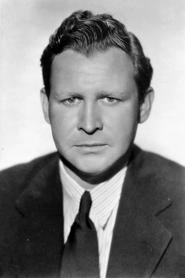
Barton MacLane
Actor
Born: December 25, 1902 in Columbia, South Carolina, USA Died: January 1, 1969 Active: 1931-1969
Films
1 film
About Barton MacLane
Prolific American character actor renowned for his distinctive tough-guy persona and imposing screen presence throughout Hollywood's Golden Age. Born in South Carolina in 1902, MacLane began his career on Broadway before transitioning to films in the early 1930s, signing with Warner Bros. Where he became one of their most reliable supporting players. He specialized in portraying gangsters, police officers, military figures, and other authority figures, appearing in over 150 films across four decades. His gravelly voice, muscular build, and ability to convey both menace and vulnerability made him a memorable presence in classic films like 'The Maltese Falcon' and 'High Sierra.' Beyond his typecasting, MacLane demonstrated remarkable versatility, appearing in comedies, westerns, and dramas while working with directors like John Huston and Howard Hawks. As the film industry evolved, he successfully transitioned to television in the 1950s and 1960s, appearing in popular series such as 'Perry Mason' and 'The Untouchables.' MacLane's enduring career and consistent performances cemented his legacy as one of Hollywood's most recognizable and dependable character actors.
The Craft
On Screen
MacLane was known for his naturalistic yet commanding screen presence, characterized by his distinctive gravelly voice and imposing physical stature. He specialized in portraying tough, authoritative figures with a underlying complexity that made his villains more than one-dimensional. His acting approach emphasized authenticity and restraint, often conveying menace through subtle gestures and intense stares rather than overt theatricality. MacLane had the rare ability to make his antagonistic characters sympathetic, adding layers of humanity to his tough-guy roles.
Milestones
- Broadway debut in the 1920s
- Film debut in 'The Case of the Curious Bride' (1935)
- Long-term contract with Warner Bros. Studios
- Memorable role as gangster in 'The Maltese Falcon' (1941)
- Transition to successful television career in the 1950s
- Star on Hollywood Walk of Fame awarded
- Over 150 film appearances across four decades
Best Known For
Iconic Roles
Must-See Films
Accolades
Won
- Hollywood Walk of Fame Star (1960)
Special Recognition
- Star on Hollywood Walk of Fame at 6421 Hollywood Boulevard
- Recognition as one of Warner Bros.' most reliable character actors
Working Relationships
Worked Often With
Studios
Why They Matter
Impact on Culture
Barton MacLane significantly shaped the archetype of the Hollywood tough guy during cinema's Golden Age, helping define how antagonists and authority figures were portrayed on screen. His consistent performances across hundreds of films created a template for character actors that would influence the industry for decades. MacLane's ability to bring depth and humanity to villainous roles challenged the simplistic good-versus-evil narratives common in early Hollywood cinema. His work in film noir particularly contributed to the genre's atmosphere of moral ambiguity and existential dread. As television emerged as a dominant medium, MacLane's successful transition demonstrated the adaptability required of actors in changing times.
Lasting Legacy
Barton MacLane's legacy endures through his extensive body of work that continues to be studied and appreciated by film enthusiasts and scholars. He represents the quintessential character actor whose consistent reliability and distinctive presence elevated countless films, even when not in starring roles. His performances in classic films like 'The Maltese Falcon' and 'High Sierra' remain touchstones for understanding the evolution of American cinema's tough-guy archetype. MacLane's career trajectory from Broadway to Hollywood to television mirrors the broader changes in the entertainment industry during the mid-20th century. His star on the Hollywood Walk of Fame ensures his contributions are permanently recognized in the heart of the entertainment capital.
Who They Inspired
MacLane influenced generations of character actors who followed, particularly those specializing in portraying authority figures and antagonists. His naturalistic approach to tough-guy roles moved away from the more theatrical performances common in early sound films, paving the way for more nuanced characterizations. Actors like Lee Marvin, Charles Bronson, and later character actors in television and film drew inspiration from MacLane's ability to make villains compelling and multi-dimensional. His successful career longevity demonstrated the value of character actors in supporting storytelling, influencing how studios approached casting and contract players.
Off Screen
Barton MacLane was married twice during his lifetime, first to actress Charlotte Wynters from 1939 to 1944, and later to Barbara Hoffa from 1946 until his death in 1969. He had one son, Barton MacLane Jr., from his second marriage. Beyond his acting career, MacLane was also a talented playwright, having written several plays including 'The Man Who Came Back' which was produced on Broadway. He was known in Hollywood circles as a dedicated professional who took his craft seriously and maintained good relationships with his colleagues throughout his long career.
Education
Family
- Charlotte Wynters (1939-1944)
- Barbara Hoffa (1946-1969)
Did You Know?
- Born on Christmas Day in 1902
- Was also a successful playwright, writing several plays produced on Broadway
- Appeared in over 150 films during his career
- Died on New Year's Day 1969, exactly one week after his 66th birthday
- Was a skilled boxer before pursuing acting
- Often played police chiefs, detectives, and military officers in addition to gangsters
- His distinctive voice made him a popular choice for radio dramas
- Worked with Humphrey Bogart in multiple films
- Was one of the few actors to successfully transition from film to television in the 1950s
- His Hollywood Walk of Fame star is located at 6421 Hollywood Boulevard
In Their Own Words
As an actor, you've got to be ready to play anything. The good ones, the bad ones, it doesn't matter. Just make them real.
In this business, you're only as good as your last picture. That's why I always tried to give my best, even in the small parts.
Playing the heavy isn't about being evil. It's about being human, just on the other side of the law.
Frequently Asked Questions
Who was Barton MacLane?
Prolific American character He specialized in portraying gangsters, police officers, and authority figures, appearing in over 150 films and numerous television shows throughout his career.
What films is Barton MacLane best known for?
Titles linked here include The Maltese Falcon (1941), High Sierra (1941).
When was Barton MacLane born and when did he die?
Born December 25, 1902; died January 1, 1969.
What awards did Barton MacLane win?
While Barton MacLane did not receive major acting awards like Academy Awards, he was honored with a star on the Hollywood Walk of Fame in 1960, located at 6421 Hollywood Boulevard, recognizing his significant contributions to the entertainment industry.
What was Barton MacLane's acting style?
MacLane was known for his naturalistic yet commanding presence, characterized by his gravelly voice and imposing physique. He specialized in bringing depth and humanity to tough-guy roles, using subtle gestures and intense expressions rather than overt theatricality to convey menace and authority.
Did Barton MacLane work in television?
Yes, MacLane successfully transitioned to television in the 1950s and 1960s, appearing in popular series such as 'Perry Mason,' 'The Untouchables,' 'Rawhide,' and 'Gunsmoke.' His adaptability helped him maintain a steady career as the film industry evolved.
What was Barton MacLane's relationship with Warner Bros.?
MacLane had a long-term contract with Warner Bros. Studios during the 1930s and 1940s, becoming one of their most reliable character actors. The studio frequently cast him as gangsters, police officers, and military figures in their films, establishing his signature tough-guy persona.