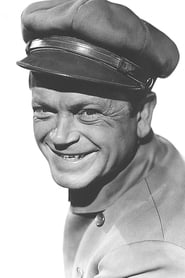
Murray Alper
Actor
Born: January 11, 1904 in New York City, New York, USA Died: November 16, 1984 Active: 1933-1968
Films
2 films

About Murray Alper
Prolific American character actor: over four decades in Hollywood's Golden Age. Born in New York City, he began his acting career in vaudeville before transitioning to films in the 1930s. Alper became one of Hollywood's most recognizable faces, appearing in over 200 films and television shows, often as a taxi driver, bartender, or comic relief character. His distinctive New York accent and everyman demeanor made him a perfect casting choice for urban, working-class roles. During World War II, he contributed to the war effort by appearing in Frank Capra's acclaimed 'Why We Fight' documentary series. Alper's career continued successfully through the 1950s and 1960s, with memorable appearances in both film and television, including roles in 'The Phil Silvers Show' and numerous Westerns. He remained active until his retirement in the late 1960s, leaving behind a legacy as one of Hollywood's most reliable and recognizable character actors.
The Craft
On Screen
Alper specialized in portraying urban, working-class characters with a distinctive New York accent and deadpan comedic delivery. His naturalistic approach and ability to quickly establish character made him ideal for bit parts and supporting roles. He often played taxi drivers, bartenders, hot dog vendors, and other everyman characters with a world-weary but good-natured demeanor.
Milestones
- Film debut in 'The Big Brain' (1933)
- Appeared in Frank Capra's 'Why We Fight' series (1943-1945)
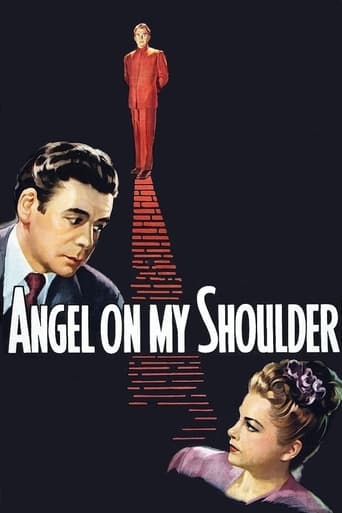
- Memorable role in 'Angel on My Shoulder' (1946)
- Regular appearances on 'The Phil Silvers Show' (1955-1959)
- Over 200 film and television appearances throughout career
Best Known For
Iconic Roles
Must-See Films
Working Relationships
Worked Often With
Studios
Why They Matter
Impact on Culture
Murray Alper represents the quintessential Hollywood character actor who provided authenticity and texture to Golden Age cinema. His consistent presence in hundreds of films helped create the believable urban environments that defined many classic movies. As. His work in the 'Why We Fight' series also played a role in American wartime propaganda efforts, helping to shape public opinion during World War II.
Lasting Legacy
Murray Alper's legacy lies in his contribution to the fabric of Hollywood's Golden Age as one of the industry's most reliable character actors. While never a star, his face was familiar to millions of moviegoers who recognized him from countless films. He exemplified the journeyman actor who could always be counted on to deliver a solid, believable performance regardless of the role's size. Today, film scholars and classic cinema enthusiasts celebrate Alper as an essential component of what made classic Hollywood films feel authentic and lived-in.
Who They Inspired
As a working character actor, Alper influenced subsequent generations of character actors by demonstrating the value of reliability and professionalism in the film industry. His ability to create memorable characters with minimal screen time set a standard for supporting performances. Contemporary character actors who specialize in playing everyman roles owe a debt to pioneers like Alper who proved that consistent, quality work in supporting parts could sustain a long and respected career in Hollywood.
Off Screen
Murray Alper maintained a relatively private personal life despite his extensive public career. He married and had children, though details about his family life were not widely publicized in the entertainment press. Like many character actors of his era, he focused primarily on his craft rather than seeking celebrity status. He spent his later years in Los Angeles before passing away in 1984 at the age of 80.
Education
Limited formal education, trained in vaudeville and theater
Did You Know?
- Appeared in over 200 films and television shows during his 35-year career
- Often played characters with New York accents, reflecting his own background
- Was a favorite of director Frank Capra, appearing in several of his films
- Served in the Army Air Corps during World War II while continuing his acting career
- His distinctive face and voice made him one of Hollywood's most recognizable character actors
- Never received a screen credit in many of his early film roles
- Was often typecast as taxi drivers, appearing as one in at least a dozen films
- Worked well into his 60s, adapting to the new medium of television
- Was part of Hollywood's unofficial 'character actor fraternity' that included Ben Welden and Jack Norton
- His final film appearance was in 'The Graduate' (1967) in an uncredited role
In Their Own Words
(As a taxi driver in various films) 'Where to, pal?'
(In 'Angel on My Shoulder') 'Hey, what's the big idea?'
Frequently Asked Questions
Who was Murray Alper?
Screen credits include over 200 films and television shows during Hollywood's Golden Age. He was known for playing working-class characters, often as taxi drivers, bartenders, and comic relief roles with his distinctive New York accent and deadpan delivery.
What films is Murray Alper best known for?
Titles linked here include Why We Fight: Divide and Conquer (1943), Angel on My Shoulder (1946).
When was Murray Alper born and when did he die?
Born January 11, 1904; died November 16, 1984.
What awards did Murray Alper win?
Despite his extensive career, Murray Alper did not receive major awards or nominations, which was common for character actors of his era. His recognition came from being one of Hollywood's most reliable and recognizable supporting actors.
What was Murray Alper's acting style?
Alper specialized in naturalistic portrayals of urban, working-class characters with a distinctive New York accent and deadpan comedic timing. He excelled at creating memorable characters with minimal screen time, often playing taxi drivers, bartenders, and other everyman roles with a world-weary but good-natured demeanor.