Charmion
Actor
Born: July 18, 1875 in Sacramento, California, USA Died: February 6, 1949 Active: 1890s-1920s Birth Name: Laverie Vallée
Films
1 film
About Charmion
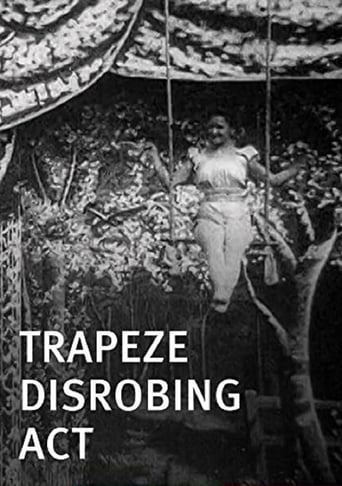
Charmion, born Laverie Vallée, was an American trapeze artist and vaudeville performer who gained international fame in the late 19th and early 20th centuries. She began her career as a circus performer in the 1890s and quickly became renowned for her daring and provocative aerial acts, which often involved partial disrobing during her trapeze routines - a shocking display for Victorian-era audiences. Her 1901 Edison film 'Trapeze Disrobing Act' captured one of her signature performances and represents one of the earliest examples of cinema documenting stage entertainment. Throughout her career, she performed with major circuses including Ringling Brothers and Barnum & Bailey, and was one of the highest-paid variety performers of her time. Charmion's performances challenged Victorian modesty conventions and helped push boundaries in public entertainment, paving the way for more expressive forms of performance art. She continued performing well into the 1920s before retiring from show business.
The Craft
On Screen
Physical performer specializing in aerial acrobatics and trapeze artistry, known for combining athletic skill with theatrical elements of partial disrobing to create shock value and audience engagement
Milestones
- Pioneered provocative trapeze performances challenging Victorian norms
- Starred in Edison's 1901 film 'Trapeze Disrobing Act'
- Performed with Ringling Brothers and Barnum & Bailey circuses
- Became one of the highest-paid variety performers of her era
- Toured internationally with her aerial act
- Influenced early cinema by being among first performers captured on film
Best Known For
Iconic Roles
Must-See Films
Accolades
Special Recognition
- Recognized as a figure in early cinema and vaudeville history
- Featured in film history archives as one of Edison's early film subjects
Working Relationships
Worked Often With
Studios
Why They Matter
Impact on Culture
Charmion played a significant role in challenging Victorian-era social norms regarding female sexuality and public performance. Her provocative trapeze acts, which involved partial disrobing while performing difficult aerial maneuvers, pushed boundaries of what was considered acceptable in public entertainment. Her work helped pave the way for more expressive forms of performance and contributed to the gradual liberalization of American entertainment standards. The 1901 Edison film of her performance is historically significant as one of the earliest examples of cinema capturing stage performance and preserving it for future generations.
Lasting Legacy
Charmion's legacy lies in her role as both a groundbreaking performer and an early subject of cinema. She is remembered in film history as one of the first performers to be captured by Edison's motion picture camera, helping establish the practice of filming stage performances. Her influence can be seen in later generations of aerialists, burlesque performers, and boundary-pushing entertainers. She represents an important figure in the transition from Victorian to modern entertainment sensibilities and the early relationship between live performance and cinema.
Who They Inspired
Charmion influenced subsequent generations of performers by demonstrating that women could be both physically strong and sexually expressive in public performance. Her success as an independent businesswoman in show business also set a precedent for female autonomy in entertainment. Her work helped establish aerial arts as a legitimate form of theatrical entertainment and influenced the development of modern circus and variety performance styles.
Off Screen
Charmion maintained a relatively private personal life despite her public fame. She was known to be independent and financially savvy, investing her earnings wisely. Unlike many performers of her era, she managed her own career and business affairs, demonstrating remarkable autonomy for a woman in show business during the Victorian period.
Education
Limited formal education, trained extensively in gymnastics and acrobatics from a young age
Did You Know?
- Her real name was Laverie Vallée, but she performed under the stage name Charmion
- The 1901 Edison film of her performance is only 1 minute long but historically significant
- She was one of the first performers to be captured on motion picture film
- Her disrobing trapeze act was considered scandalous for its time but drew huge audiences
- She was reportedly one of the highest-paid performers in vaudeville, earning up to $500 per week
- Thomas Edison personally supervised the filming of her 1901 performance
- Her performances often included removing corsets and other restrictive clothing while suspended
- She continued performing well into her 40s, unusual for aerialists of her era
- The film of her performance was distributed internationally and helped establish her global reputation
- She was known for her physical strength and could perform complex maneuvers while partially disrobed
In Their Own Words
I would rather die on the trapeze than live a life of mediocrity on the ground
The air is my stage, the trapeze my throne
Every performance is a dance with gravity, and I intend to lead
Frequently Asked Questions
Who was Charmion?
Charmion, born Laverie Vallée, was an American trapeze artist and vaudeville performer who gained fame in the late 19th and early 20th centuries for her daring aerial performances, which often included partial disrobing while performing complex trapeze maneuvers.
What films is Charmion best known for?
Titles linked here include Trapeze Disrobing Act (1901).
When was Charmion born and when did she die?
Born July 18, 1875; died February 6, 1949.
What awards did Charmion win?
While Charmion did not receive formal awards in the modern sense, she was recognized as one of the highest-paid and most successful variety performers of her era, earning up to $500 per week at the height of her career.
What was Charmion's performing style?
Charmion's performing style combined exceptional aerial acrobatics with theatrical elements of partial disrobing, creating provocative and boundary-pushing performances that challenged Victorian social norms while showcasing remarkable physical strength and skill.
Why was Charmion historically significant?
Charmion was historically significant as one of the first performers captured on motion picture film, helping establish the practice of filming stage performances, and as a woman who challenged social norms regarding female performance and sexuality in public entertainment.