Films
4 films
About Ethel Jewett
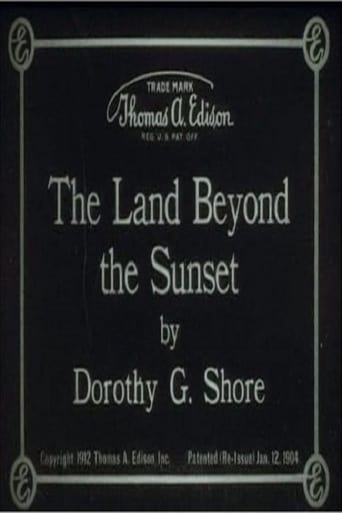
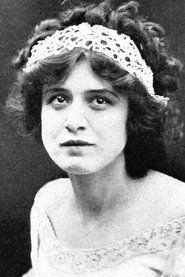
Ethel Jewett appears in The Land Beyond the Sunset (1912), an Edison Studios short directed by Harold M. Shaw about child welfare and poverty. This catalog lists no other credits for her.
The Craft
On Screen
Likely employed the theatrical, exaggerated style common in silent film acting of 1912, though specific details about her performance are not documented
Milestones
- Appeared in 'The Land Beyond the Sunset' (1912), a film later selected for the National Film Registry
Best Known For
Iconic Roles
Must-See Films
Accolades
Special Recognition
- Appeared in a film ('The Land Beyond the Sunset') that was selected for preservation in the National Film Registry in 2000
Working Relationships
Worked Often With
Studios
Why They Matter
Impact on Culture
Ethel Jewett's contribution to cinema, while minimal in scope, is part of the broader tapestry of early American filmmaking. Her appearance in 'The Land Beyond the Sunset' connects her to a historically significant film that was among the first to address social issues like child welfare in American cinema. The film's selection for the National Film Registry in 2000 recognizes its cultural, historical, and aesthetic significance, indirectly acknowledging the contributions of all performers involved, including Jewett.
Lasting Legacy
Ethel Jewett represents the countless anonymous performers who populated early American cinema but left little trace in historical records. Her legacy exists primarily through her participation in a film that has endured as an important artifact of early socially conscious filmmaking. Like many actors of her era who appeared in only one or two films, she exemplifies the transient nature of early cinema careers before the star system was fully established.
Who They Inspired
Given her extremely brief film career, there is no documented evidence of Ethel Jewett influencing other performers or filmmakers. Her influence is limited to her contribution to a single historically significant film from the early silent period.
Off Screen
No personal life information is available in historical records, which was common for actors with brief careers in the early silent era.
Did You Know?
- Appeared in only one known film during her entire career
- Her film 'The Land Beyond the Sunset' was preserved in the National Film Registry 88 years after its release
- The film she appeared in was produced by Thomas Edison's studio
- Her film was directed by Harold M. Shaw, who later became a prominent director in Britain
- Like many early film performers, she likely came from a theatrical background
- Her entire film active years covered only one year according to available records
- The film she appeared in was approximately 15 minutes long
- Her film was one of the earliest American films to deal with social issues
- No photographs of Ethel Jewett are known to exist in film archives
- Her name appears in film credits but no other biographical information has survived
Frequently Asked Questions
Who was Ethel Jewett?
Screen credits include only one known film, 'The Land Beyond the Sunset' in 1912. Like many performers from early cinema, very little biographical information about her has survived in historical records.
What films is Ethel Jewett best known for?
Titles linked here include The Land Beyond the Sunset (1912).
When was Ethel Jewett born and when did she die?
Ethel Jewett's birth and death dates are not documented in available historical records, which was common for actors with brief careers in the early silent era who did not achieve lasting fame.
What awards did Ethel Jewett win?
Ethel Jewett did not receive any personal awards during her lifetime. However, the film she appeared in, 'The Land Beyond the Sunset,' was selected for the National Film Registry in 2000, 88 years after its release.
What was Ethel Jewett's acting style?
While specific details about her performance are not documented, she likely employed the theatrical, exaggerated acting style typical of silent films in 1912, before more naturalistic techniques became common in cinema.
Why is Ethel Jewett historically significant?
Ethel Jewett is historically significant primarily through her connection to 'The Land Beyond the Sunset,' one of the earliest American films to address social issues like child welfare. Her story represents the countless anonymous performers who contributed to early cinema's development.
What studio did Ethel Jewett work for?
Ethel Jewett worked for Edison Studios, one of the earliest and most important film production companies in American cinema history, founded by inventor Thomas Edison.