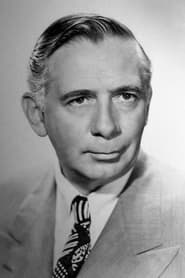
Ray Collins
Actor
Born: December 10, 1889 in Sacramento, California, USA Died: July 11, 1965 Active: 1930-1965 Birth Name: Raymond Collins
Films
1 film
About Ray Collins
American character actor: distinctive voice and commanding presence made him one of Hollywood's most recognizable supporting players during the Golden Age. Born in Sacramento, California, Collins began his career in vaudeville and radio before transitioning to film, where he became a founding member of Orson Welles' Mercury Theatre. His breakthrough came with his chilling performance as the corrupt political boss Jim Gettys in Welles' masterpiece 'Citizen Kane' (1941), a role that established his signature persona of authoritative, often menacing figures. Throughout the 1940s and 1950s, Collins appeared in over 100 films, frequently cast as police officers, judges, politicians, and military men in productions ranging from film noir to westerns. His later career saw him transition successfully to television, where he gained widespread recognition as the perpetually skeptical Lt. Arthur Tragg in the 'Perry Mason' series. Despite never achieving leading man status, Collins' remarkable consistency and ability to elevate any material made him an invaluable presence in American cinema and television for over three decades.
The Craft
On Screen
Known for his deep, resonant voice and authoritative demeanor, Collins specialized in playing figures of power and authority. His acting style was characterized by a naturalistic yet commanding presence, often delivering lines with a dry wit and underlying menace. He excelled at portraying complex antagonists who were both threatening and oddly sympathetic, using subtle facial expressions and vocal modulation to convey character depth. Collins had a remarkable ability to dominate scenes even with limited screen time, making his supporting roles memorable and impactful.
Milestones
- Founding member of Orson Welles' Mercury Theatre
- Breakthrough role as Jim Gettys in Citizen Kane (1941)
- Regular role as Lt. Tragg in Perry Mason TV series (1957-1965)
- Over 100 film appearances spanning 35 years
- Successful transition from radio to film to television
Best Known For
Iconic Roles
Must-See Films
Accolades
Won
- Hollywood Walk of Fame Star (1960)
Nominated
- Primetime Emmy Award for Outstanding Supporting Actor in a Drama Series (1959)
Special Recognition
- Founding member of Mercury Theatre
- Inducted into the Radio Hall of Fame
Working Relationships
Worked Often With
Studios
Why They Matter
Impact on Culture
Ray Collins left an indelible mark on American entertainment through his work across three major media: radio, film, and television. As a key member of the Mercury Theatre, he participated in. His portrayal of authority figures helped shape the archetype of the stern but fair law enforcement official in popular culture, particularly through his role as Lt. Tragg, which influenced countless television detectives and legal dramas. Collins' work in film noir contributed to the genre's visual and thematic vocabulary, establishing a template for the morally ambiguous supporting character that would become a staple of American cinema.
Lasting Legacy
Ray Collins' legacy endures through his extensive body of work that continues to be discovered by new generations of film and television enthusiasts. His performances in classic films like 'Citizen Kane' remain studied examples of character acting excellence, while his television work helped establish the template for the modern procedural drama. Collins demonstrated the vital importance of supporting actors in creating memorable entertainment, proving that compelling performances need not come from leading roles. His career trajectory from vaudeville to radio to film to television mirrors the evolution of American entertainment itself, making him a representative figure of the industry's transformation during the mid-20th century.
Who They Inspired
Collins influenced generations of character actors through his distinctive approach to supporting roles, showing how authority figures could be portrayed with nuance and complexity rather than as one-dimensional stereotypes. His work with Orson Welles helped establish new standards for ensemble acting and naturalistic performance. Many actors who followed in his footsteps, particularly in television, adopted his approach to playing law enforcement officials with a blend of professionalism and personality. Collins' success in transitioning between media also provided a model for performers seeking longevity in an ever-changing entertainment landscape.
Off Screen
Ray Collins was married twice during his lifetime. His first marriage to Margaret Marriott ended in divorce, and he later married Marion Veal, with whom he remained until his death. Collins was known as a private individual who rarely discussed his personal life in public. He had no children. Despite his extensive career in entertainment, he maintained a relatively low profile outside of his professional work, focusing on his craft rather than celebrity status.
Education
Attended Sacramento High School, later studied drama at local theater groups
Family
- Margaret Marriott (1925-1936)
- Marion Veal (1937-1965)
Did You Know?
- Was a founding member of Orson Welles' Mercury Theatre company
- His distinctive voice made him a popular choice for radio drama before his film career
- Appeared in four films directed by Orson Welles
- His role as Lt. Tragg in Perry Mason was his most famous television character
- Despite playing many authority figures, Collins never served in the military
- He was left-handed, which is occasionally visible in his film performances
- Collins — skilled amateur painter in his private time
- He often performed his own stunts, particularly in western films
- His final film appearance was in 'The Cincinnati Kid' (1965), released after his death
- Collins was one of the few actors to work successfully in all three major entertainment media of his era
In Their Own Words
In acting, as in life, the truth is always more interesting than the lie.
I never wanted to be the star. I wanted to be the person who made the star look good.
Orson taught me that every character, no matter how small, deserves to be treated with respect and given a full life.
Frequently Asked Questions
Who was Ray Collins?
American character with credits in this catalog. He was a founding member of Orson Welles' Mercury Theatre and appeared in over 100 films, most famously as Jim Gettys in 'Citizen Kane' and later as Lt. Tragg in the 'Perry Mason' television series.
What films is Ray Collins best known for?
Titles linked here include Citizen Kane (1941), The Magnificent Ambersons (1942).
When was Ray Collins born and when did he die?
Born December 10, 1889; died July 11, 1965.
What awards did Ray Collins win?
Ray Collins received a star on the Hollywood Walk of Fame in 1960 and was nominated for a Primetime Emmy Award for Outstanding Supporting Actor in a Drama Series in 1959 for his work on 'Perry Mason.' He was also inducted into the Radio Hall of Fame for his contributions to radio drama.
What was Ray Collins's acting style?
Collins was known for his deep, resonant voice and authoritative demeanor, specializing in playing figures of power and authority. His naturalistic yet commanding presence, combined with subtle facial expressions and vocal modulation, made him particularly effective at portraying complex antagonists and authority figures.
How was Ray Collins connected to Orson Welles?
Founding member of Orson Welles' Mercury Theatre and appeared in four of Welles' films: 'Citizen Kane,' 'The Magnificent Ambersons,' 'The Stranger,' and 'Touch of Evil.' Their collaboration began in radio and theater before transitioning to film, with Collins becoming one of Welles' most trusted character actors.