Tito Davison
Actor
Born: November 14, 1912 in Chillán, Chile Died: March 21, 1985 Active: 1927-1982 Birth Name: Óscar Herman Davison Bascurt
Films
1 film
About Tito Davison
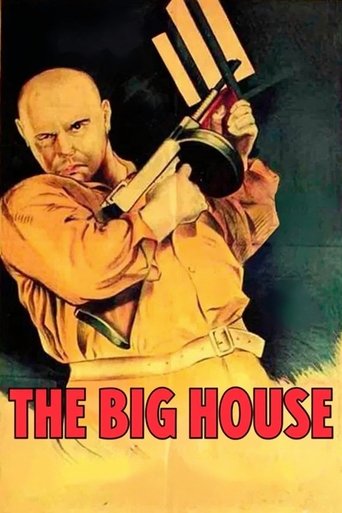
Tito Davison, born Óscar Herman Davison Bascurt, was a prolific Chilean-born filmmaker who became a cornerstone of the Golden Age of Mexican cinema. He began his journey in the film industry at the age of 15, traveling to Hollywood in 1927 where he initially worked as a technician and later as an actor in Spanish-language versions of American films. His early acting career included a notable role as 'Marlowe' in the 1930 Spanish-language production of 'The Big House' (titled 'El presidio'). Realizing his true passion lay behind the camera, Davison moved to Argentina in the mid-1930s to transition into directing and screenwriting, making his directorial debut with 'Murió el sargento Laprida' in 1937. By 1944, he settled permanently in Mexico, where he flourished as a director and screenwriter, eventually helming more than 80 films and becoming a master of the melodrama genre. His over five decades, during which he collaborated with stars like María Félix and Libertad Lamarque, leaving an indelible mark on Latin American film history.
The Craft
On Screen
In his early career, Davison was known for his youthful and earnest screen presence, often cast in 'juvenile' or supporting roles in Hollywood's Spanish-language productions. His acting was characterized by the theatricality common in the early talkie era, though he quickly transitioned to technical roles after finding his true calling in storytelling and direction.
Milestones
- Began Hollywood career in 1927 as a technician and actor in 'Spanish-language' versions of major studio films.
- Starred in 'El presidio' (1930), the Spanish-language version of MGM's 'The Big House'.
- Directed his first feature film 'Murió el sargento Laprida' in Argentina in 1937.
- Won the Ariel Award for Best Adapted Screenplay in 1947 for 'La barraca'.
- Won the Ariel Award for Best Direction in 1958 for 'La dulce enemiga'.
- Directed the massive commercial success 'El derecho de nacer' in 1966.
- Helmed the international production 'The Big Cube' (1969) starring Lana Turner.
Best Known For
Iconic Roles
Must-See Films
Accolades
Won
- Ariel Award for Best Adapted Screenplay (1947) for 'La barraca'
- Ariel Award for Best Direction (1958) for 'La dulce enemiga'
Nominated
- Ariel Award Nomination for Best Direction (1949) for 'Que Dios me perdone'
- Ariel Award Nomination for Best Screenplay (1951) for 'Doña Diabla'
- Cannes Film Festival Nomination for Grand Prize of the Festival (1951) for 'Doña Diabla'
Special Recognition
- Recognized as a pioneer of the Golden Age of Mexican Cinema
- Lifetime achievement recognition within the Mexican and Chilean film industries
Working Relationships
Worked Often With
Studios
Why They Matter
Impact on Culture
Tito Davison was instrumental in shaping the 'Mexican Melodrama,' a genre that defined Latin American cinema for decades. By adapting high-quality literature into accessible screenplays, he elevated the narrative standards of the industry. His work helped bridge the gap between Hollywood technical standards and Latin American cultural storytelling, making Mexican films internationally competitive during the Golden Age.
Lasting Legacy
His legacy is that of a versatile craftsman who mastered every aspect of filmmaking, from the technical floor to the director's chair. He is remembered as. His films continue to be studied for their stylistic elegance and emotional resonance.
Who They Inspired
Davison influenced a generation of Latin American filmmakers by demonstrating how to balance commercial success with artistic integrity. His transition from Hollywood actor to Mexican director provided a blueprint for other artists seeking to navigate international film markets. His focus on strong, complex female characters influenced the 'diva' culture of Mexican cinema, particularly through his work with María Félix.
Off Screen
Tito Davison moved from Chile to Hollywood as a teenager, showing an early drive for the arts. He was married to June Marlowe until 1946 and later married Conchita Carracedo in 1948, with whom he remained until his death in 1985. He spent significant portions of his life in Chile, Argentina, and Mexico, eventually adopting Mexico as his primary home and professional base.
Education
Educated at the Instituto Nacional in Chile before moving to the United States to pursue a career in film.
Family
- June Marlowe (until 1946)
- Conchita Carracedo (1948-1985)
Did You Know?
- He was only 15 years old when he first arrived in Hollywood to work in the film industry.
- Davison worked as a journalist and editor before fully committing to directing.
- He directed Lana Turner in the 1969 psychological thriller 'The Big Cube'.
- He was a key figure in the 'Spanish-language versions' era of Hollywood, where films were shot twice with different casts for different markets.
- Despite his Chilean birth, he is often categorized as a Mexican director due to the sheer volume of his work in Mexico City.
- He directed more than 80 feature films throughout his career.
- He was known for the quote: 'Films are written, directed, and interpreted for the public. Not for a reduced group of intellectuals.'
In Their Own Words
The director, the writer, or the adapter are wrong if they let themselves be carried away by their personal feelings and their personal conception of art. Films are made for the public.
I try to step out of myself—the writer, the adapter, and the director—to place myself in the audience.
Frequently Asked Questions
Who was Tito Davison?
Prominent Chilean-born on YTB.my. He directed over 80 films and was renowned for his mastery of the melodrama genre.
What films is Tito Davison best known for?
Titles linked here include El presidio (1930), La barraca (1945) - Screenwriter.
When was Tito Davison born and when did he die?
Born November 14, 1912; died March 21, 1985.
What awards did Tito Davison win?
He won two prestigious Ariel Awards in Mexico: Best Adapted Screenplay for 'La barraca' (1947) and Best Direction for 'La dulce enemiga' (1958).
What was Tito Davison's directing style?
His style was characterized by polished, emotionally charged melodramas that focused on strong character development and high production values, always keeping the general audience's perspective in mind.
Did Tito Davison work in Hollywood?
Yes, he began his career in Hollywood in 1927, working as a technician and acting in Spanish-language versions of American films before moving to Argentina and Mexico to direct.