Monte Brice
Director
Born: June 24, 1891 in New York City, New York, USA Died: November 17, 1962 Active: 1929-1934 Birth Name: Montague Brice
Films
1 film
About Monte Brice
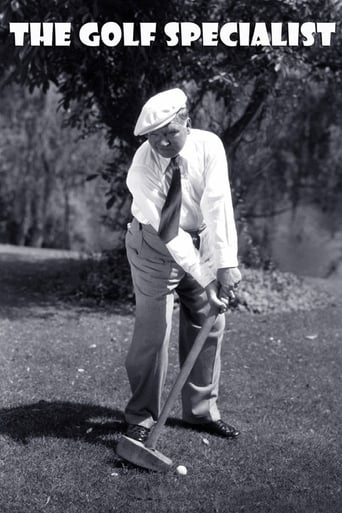
American film director and screenwriter who worked during the pivotal transition from silent films to talkies in the early 1930s. Though his career was relatively brief, Brice made significant contributions to early sound comedy, most notably directing 'The Golf Specialist' (1930), which featured the comedian W.C. Fields in one of his first sound film appearances. This short film helped establish Fields' screen persona and became one of the comedian's most beloved early works. Brice specialized in comedy shorts and worked with several major studios during this period, including Paramount Pictures. His directing style was well-suited to the rapid-fire pacing and visual gags that characterized early sound comedy. While many of his films have been lost to time, Brice's work represents an important chapter in the development of American sound comedy cinema. He continued working through the early 1930s before transitioning away from directing, though the exact reasons for his departure from filmmaking remain unclear.
The Craft
Behind the Camera
Monte Brice's directing style was characterized by its efficiency and focus on comedic timing, particularly well-suited to the short film format. He demonstrated a keen understanding of how to adapt visual comedy for the sound era, balancing dialogue with physical gags. His approach emphasized rapid pacing and tight editing to maximize comedic impact within the limited runtime of short subjects. Brice showed particular skill in showcasing the unique talents of his comedy stars, most notably W.C. Fields, allowing their established stage personas to translate effectively to the screen.
Milestones
- Directed 'The Golf Specialist' (1930) starring W.C. Fields
- Wrote and directed numerous comedy shorts during early sound era
- Worked with major studios including Paramount Pictures
- Contributed to development of early sound comedy techniques
- Helped establish W.C. Fields' screen persona in early talkies
Best Known For
Must-See Films
Working Relationships
Worked Often With
Studios
Why They Matter
Impact on Culture
Monte Brice's cultural impact, while not widely recognized by general audiences, is significant within the context of early sound comedy development. His work on 'The Golf Specialist' helped preserve and adapt W.C. Fields' vaudeville persona for the cinema screen, contributing to the comedian's enduring legacy. Brice's films represent important examples of how comedy evolved during the challenging transition from silent to sound cinema. His efficient directing style and understanding of comedic timing influenced the development of the short subject format, which remained a staple of theater programming for decades. Though many of his works have been lost, those that survive provide valuable insight into the techniques and approaches that shaped early American sound comedy.
Lasting Legacy
Monte Brice's legacy lies primarily in his contribution to the early sound comedy genre and his role in helping establish W.C. Fields as a film star. 'The Golf Specialist' remains his most enduring work, continuing to be screened at film festivals and classic cinema events. His films serve as important historical documents showcasing the evolution of comedy during Hollywood's transitional period. While not as well-remembered as some of his contemporaries, film historians and comedy scholars recognize Brice as a competent craftsman who effectively navigated the technical and artistic challenges of early sound filmmaking. His work exemplifies the type of efficient, entertainment-focused filmmaking that characterized Hollywood's studio system during its formative years.
Who They Inspired
Monte Brice's influence on subsequent filmmakers is primarily indirect, through his work with comedy legends like W.C. Fields. His approach to adapting vaudeville comedy for the screen provided a template for other directors working in similar genres during the early sound era. The techniques he employed for balancing dialogue with physical comedy influenced the development of the American comedy short format. While he didn't mentor any particularly famous protégés, his films served as examples for other directors working in comedy during the 1930s. The preservation of his work, particularly 'The Golf Specialist,' continues to influence contemporary understanding of early sound comedy techniques and the transition from stage to screen comedy.
Off Screen
Monte Brice was born Montague Brice in New York City in 1891, growing up during the golden age of vaudeville and early cinema. He entered the film industry during the late 1920s, just as Hollywood was transitioning from silent films to talkies. While details about his personal life remain limited, it's known that he was married and had children. Brice eventually left the film industry in the mid-1930s, though the circumstances of his departure are not well documented. He spent his later years away from the spotlight, passing away in 1962 at the age of 71.
Education
Limited information available about his formal education
Family
- Unknown spouse
Did You Know?
- 'The Golf Specialist' was originally a vaudeville sketch performed by W.C. Fields
- Many of Monte Brice's films are now considered lost
- He worked during
- Brice often wrote the screenplays for the films he directed
- His most famous film runs only 20 minutes but has become a comedy classic
- He directed an all-star charity film called 'The Stolen Jools' (1931) featuring many Hollywood stars
- Brice's real first name was Montague
- He worked with some of the biggest comedy stars of his era despite his relatively brief career
- His directing style was particularly suited to the two-reel comedy format popular at the time
- After leaving directing, he may have worked in other capacities within the film industry
In Their Own Words
Information about specific quotes from Monte Brice is not available in historical records
Frequently Asked Questions
Who was Monte Brice?
American on YTB.my.
What films is Monte Brice best known for?
Titles linked here include The Golf Specialist (1930), The Big Shot (1930).
When was Monte Brice born and when did he die?
Born June 24, 1891; died November 17, 1962.
What awards did Monte Brice win?
There are no documented awards or nominations for Monte Brice, as was common for many directors of comedy shorts during the early sound era.
What was Monte Brice's directing style?
Brice's directing style emphasized efficient storytelling and comedic timing, particularly suited to the short film format, with a focus on adapting stage comedy for the screen.
Did Monte Brice work with any famous actors?
Yes, Monte Brice worked with several notable comedy stars including W.C. Fields, Leon Errol, Zasu Pitts, and Thelma Todd during his career.
Why is Monte Brice not as well-known as other directors from his era?
Monte Brice's relative obscurity stems from his brief career focus on short subjects, the loss of many of his films, and the fact that he worked behind the scenes rather than as a celebrity director.