Films
2 films
About Fyodor Ishchenko
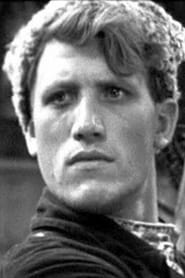
Soviet actor who had a brief but notable film career during World War II, appearing in two significant war-themed productions in 1944. His work came Soviet cinema when filmmakers were creating propaganda and morale-boosting content to support the war effort. Ishchenko's appearances in both 'Malakhov Kurgan' and 'I Am a Black Sea Man' suggest he was likely cast in roles that embodied the Soviet spirit of resistance and patriotism during this critical historical moment. Despite his limited filmography, his participation in these wartime productions places him within the important tradition of Soviet actors who contributed to the cultural front during the Great Patriotic War. The brevity of his known film career may indicate he was primarily a stage actor, a casualty of the war, or someone who left the film industry shortly after these appearances.
The Craft
Milestones
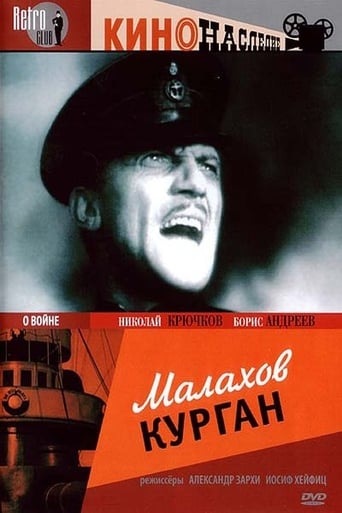
- Appeared in 'Malakhov Kurgan' (1944)
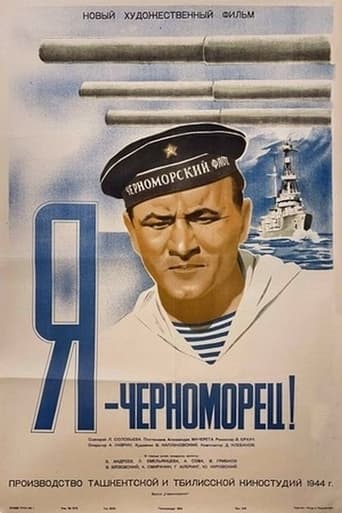
- Appeared in 'I Am a Black Sea Man' (1944)
Best Known For
Must-See Films
Why They Matter
Impact on Culture
Fyodor Ishchenko's contribution to Soviet cinema, while brief, represents the important role that character actors played in wartime film production during the 1940s. His appearances in two significant war-themed films in 1944 place him within the broader context of Soviet cultural mobilization during World War II, when cinema served as a crucial medium for propaganda, morale-boosting, and national unity. The films he participated in were part of the Soviet effort to document and dramatize the nation's struggle against Nazi invasion, contributing to the historical record of how cinema was used as a weapon in the cultural front of the war.
Lasting Legacy
Fyodor Ishchenko's legacy is primarily preserved through his participation in two historically significant Soviet war films from 1944. While he may not have achieved lasting fame as a performer, his work contributes to our understanding of the scale and nature of Soviet film production during World War II. His brief film career exemplifies how many actors of the era made valuable contributions to cinema despite limited opportunities or recognition, serving as anonymous but essential components in the creation of works that have become important historical artifacts of Soviet wartime culture.
Who They Inspired
Due to the brevity of his known film career, there is limited evidence of Fyodor Ishchenko's direct influence on other actors or filmmakers. However, like many character actors of his generation, his work in wartime productions contributed to the broader tradition of Soviet cinema that would influence subsequent generations of filmmakers both within and beyond the Soviet Union.
Off Screen
Very little information is available about Fyodor Ishchenko's personal life, which is not uncommon for Soviet character actors from the WWII era who had brief film careers. The scarcity of biographical details may reflect either the limited nature of his celebrity status at the time or the loss of records during the tumultuous war period.
Did You Know?
- Both of Fyodor Ishchenko's known films were released in 1944, during the height of World War II
- His filmography consists exclusively of war-themed productions, reflecting the focus of Soviet cinema during this period
- The brevity of his known career (only one year) was not uncommon for Soviet actors during wartime
- 'Malakhov Kurgan' refers to a strategic height in Sevastopol that was the site of fierce fighting during the Crimean War
- Both films he appeared in were likely produced at Soviet film studios that were operating under difficult wartime conditions
Frequently Asked Questions
Who was Fyodor Ishchenko?
Soviet with credits in this catalog. His work represents the contribution of character actors to Soviet wartime cinema.
What films is Fyodor Ishchenko best known for?
Titles linked here include Malakhov Kurgan (1944), I Am a Black Sea Man (1944).
When was Fyodor Ishchenko active in film?
Fyodor Ishchenko's known film activity was limited to 1944, with both of his credited film appearances occurring that year during World War II.
What was the significance of the films Fyodor Ishchenko appeared in?
Both films were part of Soviet wartime cinema efforts, created to boost morale and document the nation's struggle during the Great Patriotic War, making them historically significant cultural artifacts.
Why is there limited information about Fyodor Ishchenko?
The scarcity of biographical information is common for Soviet character actors from this era, particularly those with brief film careers, due to limited celebrity status and possible loss of records during wartime.