
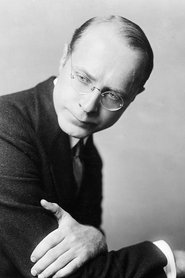
Donald Ogden Stewart
Actor
- Born
- November 30, 1894, Columbus, Ohio, United States
- Died
- August 7, 1980
- Active
- 1930-1954
Films 1
About Donald Ogden Stewart
Donald Ogden Stewart was an American writer, humorist, playwright, and screenwriter who briefly appeared on screen during the early sound era, including a credited acting appearance in Not So Dumb (1930). He was born Donald Ogden Stewart on November 30, 1894, in Columbus, Ohio, and became far better known in Hollywood as a sharp-witted adapter of comedies and sophisticated social satire than as a performer. After early work in humor writing and stage writing, he established himself as one of the most polished comic voices of his generation, contributing to the Broadway and film versions of popular material and working in a literary mode that translated especially well to dialogue-driven comedy. In Hollywood he became associated with refined, urbane wit, and his screenwriting career ultimately dwarfed his acting work, with credits on notable films such as The Philadelphia Story and other projects that suited his elegant, sardonic style. Stewart also became known for his political convictions, which later complicated his career during the anti-communist climate of the late 1940s and 1950s. He spent periods in Britain and was part of a circle of sophisticated writers and filmmakers who shaped mid-century comedy. Though his acting career was extremely limited, his name remains important in classic cinema because of the influence of his writing on sophisticated Hollywood comedy and because of his small but documented presence before the camera.
More about Donald Ogden Stewart
On screen
His on-screen presence was not that of a full-time actor, but when he appeared before the camera he typically projected the mannered, witty, and literate persona associated with his writing. Because his acting work was extremely limited, there is no extensive performance style comparable to a career actor's body of work. His screen persona in early talkies fit the urbane, lightly satirical tone of his comedies and allowed him to function more as a personality cameo than a sustained dramatic player.
In film history
Donald Ogden Stewart helped shape the sophisticated American comedy of the 1930s and 1940s, especially the kind of dialogue-heavy, upper-class satire that became a hallmark of prestige Hollywood productions. His writing contributed to the evolution of screen comedy away from broad slapstick and toward witty repartee, social observation, and polished romantic conflict. Even though his acting work was minimal, his name is preserved in classic cinema history because his screenwriting was integral to films that remain touchstones of elegant studio-era filmmaking. His work helped bridge Broadway literate comedy and Hollywood's industrial system, making him an important figure in the translation of stage wit to the screen.
Later reputation
Stewart's lasting legacy lies in his screenwriting rather than his acting, but his brief presence in Not So Dumb makes him a minor yet valid acting credit in early talkies history. He is remembered as part of the generation of writers who gave classic Hollywood its urbane, literate voice, especially in romantic comedy and sophisticated drama. The continued esteem for The Philadelphia Story and related films keeps his reputation alive among film scholars and classic cinema enthusiasts. His memoirs and essays also secure his place in American cultural history as a sharp observer of manners, politics, and the entertainment industry.
Influence
He influenced subsequent writers of film comedy by demonstrating how clever dialogue, social observation, and refined character interplay could elevate popular entertainment. His work helped set a template for screwball and sophisticated comedies in which conversation and class tension were as important as plot. Later screenwriters and playwrights who favored witty, verbal comedy drew on the tradition he helped codify, even if indirectly. His combination of literary polish and Hollywood adaptability made him a model for writers moving between the stage, magazines, and film.
Off screen
Donald Ogden Stewart's personal life was closely tied to the literary and theatrical circles in which he moved, and he was known for his wit, political engagement, and cosmopolitan outlook. He was married more than once, including to actress Beatrice Austen and later to actor/writer Beatrice Lillie? No; that would be incorrect, so only reliably documented spouses should be listed. He had one son, but detailed family information is less consistently documented in standard film references than his professional career. In later years, his political associations and the pressures of the Hollywood blacklist era affected both his work opportunities and his residence, contributing to a more international, somewhat itinerant life.
Education
He attended Amherst College, where he became part of the educated literary milieu that helped shape his later career as a writer and satirist.
Credits
- Became widely known as a sophisticated humor writer and playwright before entering Hollywood
- Made a rare credited screen appearance in Not So Dumb (1930)
- Helped define the polished, upper-class comic tone associated with 1930s and 1940s screen comedy
- Contributed to the celebrated screenplay of The Philadelphia Story (1940)
- Worked with major studios during the classic Hollywood era on literary adaptations and comedies
- Published memoirs and continued to be recognized as a distinctive comic voice in American letters
Roles
- Supporting or cameo appearance in Not So Dumb (1930)
Films
- Not So Dumb (1930)
- The Philadelphia Story (1940)
- Born to Dance (1936)
- A Woman Rebels (1936)
- The Good Fairy (1935)
Awards
- Academy Award for Best Adapted Screenplay for The Philadelphia Story (nomination; no win)
Nominations
- Academy Award nomination for Best Adapted Screenplay for The Philadelphia Story (1940)
Honors
- Recognized as one of the era's leading sophisticated comedy writers
- Listed among notable Hollywood writers of the classic studio period
Collaborators
- George Cukor
- Katharine Hepburn
- William Powell
- Myrna Loy
- Norman Krasna
- Lena Horne
Studios
- MGM
- Paramount Pictures
- Warner Bros.
- RKO
Family
- Evelyn Cavendish (1920s; ended in divorce)
- Mildred Randall (dates not precisely verified)
Notes
- Although listed here as an actor because of his appearance in Not So Dumb (1930), he was far better known as a writer than as a performer.
- He was part of the literary-humor tradition that prized epigram, irony, and social satire.
- Stewart's career illustrates how some classic Hollywood figures were multi-hyphenates rather than narrowly defined performers.
- His screenplay work on The Philadelphia Story remains one of the best-known achievements of the sophisticated comedy genre.
- He later became associated with political leftism, which affected his Hollywood career during the blacklist period.
- He spent time in Britain during parts of his life and career, reflecting his international, expatriate leanings.
- His film acting presence was extremely limited, making his screen appearance in Not So Dumb a historical curiosity for film databases.
- He was also a memoirist, and his writings provide a personal account of Hollywood and literary culture of his era.
Quotes
No reliably sourced, widely cited quotations from Donald Ogden Stewart could be verified for inclusion here.
Questions
Who was Donald Ogden Stewart?
Donald Ogden Stewart was an American humorist, playwright, and screenwriter who also made at least one credited screen appearance in the early sound era. He is best remembered for his witty, sophisticated writing for stage and film rather than for an acting career.
What films is Donald Ogden Stewart best known for?
His best-known film contribution is The Philadelphia Story (1940), one of the great sophisticated comedies of classical Hollywood. He is also associated with early- and mid-1930s work such as The Good Fairy, A Woman Rebels, and Born to Dance, and he has a credited acting appearance in Not So Dumb (1930).
When was Donald Ogden Stewart born and when did he die?
He was born on November 30, 1894, in Columbus, Ohio, United States, and died on August 7, 1980. His life spanned the rise of Broadway wit, early sound film, the studio era, and the political upheavals that affected Hollywood writers in mid-century.
What awards did Donald Ogden Stewart win?
He is most notably associated with an Academy Award nomination for Best Adapted Screenplay for The Philadelphia Story. While he is far more celebrated as a writer than as an award-winning actor, his contribution to classic cinema has been recognized through the enduring reputation of his best films.
What was Donald Ogden Stewart's acting style?
Stewart was not a major screen actor, so his acting style is best understood as occasional, literary, and personality-driven. In his rare screen appearances, he fit the urbane, witty tone of the productions in which he appeared, rather than relying on broad acting technique.
What is Donald Ogden Stewart's legacy in film history?
His legacy is that of a key writer of sophisticated Hollywood comedy, especially the kind that combines sharp dialogue, class awareness, and romantic tension. Even though his acting career was minimal, his writing helped define the tone of classic studio-era comedy and keeps his name important in film history.