Mary Nash
Actor
Born: August 15, 1884 in Troy, New York, USA Died: December 3, 1976 Active: 1912-1956 Birth Name: Mary Frances Ryan
Films
1 film
About Mary Nash
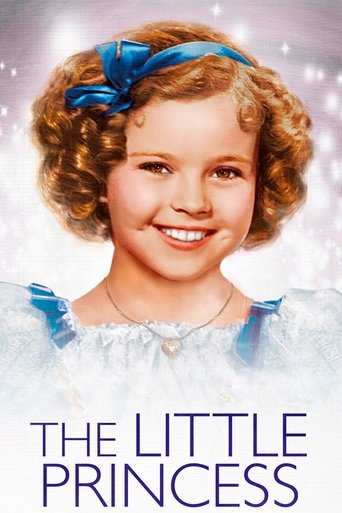
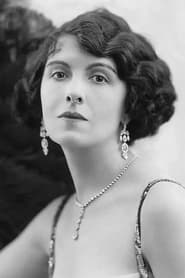
American character actress: from Broadway's golden age through Hollywood's classic era. Born in 1884, she began her career on the stage, becoming a prominent Broadway performer in the 1910s and 1920s before successfully transitioning to films in the 1930s. Her theatrical background gave her a commanding presence that translated well to the screen, where she specialized in portraying elegant, often formidable women of authority. Nash appeared in over 50 films between 1934 and 1956, working with some of Hollywood's biggest stars including Shirley Temple, Katharine Hepburn, and Cary Grant. Her most memorable roles often cast her as stern but ultimately caring figures, such as Miss Minchin in The Little Princess (1939) and Mrs. Tracy in The Philadelphia Story (1940). After retiring from films in the mid-1950s, she returned briefly to television before retiring completely. Her career represents a classic example of a stage-trained actress who successfully adapted her craft to the demands of cinema.
The Craft
On Screen
Mary Nash was known for her crisp, precise delivery and commanding stage presence, honed through years of Broadway experience. She specialized in portraying authority figures with an underlying warmth, often playing stern schoolteachers, aristocratic matrons, or strict but caring governesses. Her acting style combined theatrical gravitas with subtle emotional depth, allowing her to create memorable characters even in relatively brief screen appearances. Nash had a distinctive voice and diction that made her instantly recognizable, and she excelled at delivering cutting remarks with perfect timing.
Milestones
- Broadway debut in 1912
- Transition to films in 1934
- Memorable role as Miss Minchin in The Little Princess (1939)
- Appearance in The Philadelphia Story (1940)
- Supporting role in The Man Who Came to Dinner (1942)
- Final film appearance in The Long Gray Line (1955)
Best Known For
Iconic Roles
Must-See Films
Accolades
Special Recognition
- Hollywood Walk of Fame star (Motion Pictures)
Working Relationships
Worked Often With
Studios
Why They Matter
Impact on Culture
Mary Nash made a significant impact on Hollywood's portrayal of authority figures, particularly in family films and women's pictures. Her performance as Miss Minchin in The Little Princess established a template for the stern-but-redeemable antagonist in children's films that influenced countless subsequent performances. In The Women, she was part of an all-female cast that was groundbreaking for its time, helping to prove that films centered on women's stories could be commercially successful. Her work in both film and theater helped bridge the gap between Broadway and Hollywood, demonstrating that stage techniques could be effectively adapted for the screen.
Lasting Legacy
Mary Nash's legacy endures through her memorable character performances that continue to be appreciated in classic film revivals and television broadcasts. She represents the generation of classically trained actors who brought theatrical sophistication to Hollywood's Golden Age. Her ability to create complex, multidimensional characters in supporting roles influenced how character actresses were utilized in major studio productions. Film historians often cite her work as an example of how supporting actors can elevate material and create lasting impressions despite limited screen time.
Who They Inspired
Nash influenced subsequent generations of character actresses through her demonstration of how to make the most of supporting roles. Her precise diction and commanding presence set a standard for portraying authority figures in film. Younger actresses studying her work learned the importance of creating fully realized characters even in brief appearances. Her successful transition from stage to screen provided a model for other theatrical performers looking to enter the film industry.
Off Screen
Mary Nash was married to French actor and director Paul Cavanagh from 1926 until their divorce in 1932. The marriage ended amicably, and both continued to work in Hollywood. Nash never remarried and had no children. She was known for her professionalism and dedication to her craft, maintaining close friendships with several of her co-stars throughout her life. In her later years, she lived quietly in Brentwood, California, where she passed away at age 92.
Education
Educated at Catholic schools in Troy, New York; later studied drama at the American Academy of Dramatic Arts
Family
- Paul Cavanagh (1926-1932)
Did You Know?
- Was a successful Broadway actress for over 20 years before appearing in films
- Her real name was Mary Frances Ryan, but she changed it to avoid confusion with another actress
- She was 55 years old when she played Miss Minchin in The Little Princess
- Appeared in three films released in 1939: The Little Princess, The Women, and Bachelor Mother
- Was a close friend of Shirley Temple's mother, which helped secure her role in The Little Princess
- Spoke fluent French, which helped her during her marriage to Paul Cavanagh
- Never received top billing in any of her films but was always credited prominently
- Her Hollywood Walk of Fame star is located at 6324 Hollywood Boulevard
- Was a devout Catholic throughout her life
- Retired from acting in 1956 but made one brief television appearance in 1960
In Their Own Words
As Miss Minchin: 'You will remain here in this attic until you learn proper obedience and respect.'
On acting: 'The stage teaches you discipline that the camera cannot provide. You must be prepared from the moment you step on until the final curtain.'
About Hollywood: 'It's a different world from Broadway, but the truth of character remains the same regardless of the medium.'
Frequently Asked Questions
Who was Mary Nash?
American character actress who had a career on Broadway before transitioning to Hollywood films in the 1930s. She was known for portraying stern but often caring authority figures, most famously as Miss Minchin in Shirley Temple's The Little Princess (1939). Her active years covered over four decades, from her Broadway debut in 1912 to her final film appearance in 1955.
What films is Mary Nash best known for?
Titles linked here include The Little Princess (1939), The Philadelphia Story (1940).
When was Mary Nash born and when did she die?
Born August 15, 1884; died December 3, 1976.
What awards did Mary Nash win?
While Mary Nash did not receive any major acting awards or Academy Award nominations during her career, she was honored with a star on the Hollywood Walk of Fame for her contributions to motion pictures. Her legacy lies in her consistent body of work and the memorable characters she created rather than formal accolades.
What was Mary Nash's acting style?
Mary Nash's acting style was characterized by her theatrical training, featuring crisp diction, commanding presence, and precise delivery. She excelled at portraying authority figures with depth and nuance, often playing stern characters who revealed underlying warmth. Her Broadway background gave her a gravitas that made her memorable even in supporting roles.
Did Mary Nash work in television?
Mary Nash made only one brief television appearance in 1960 on the series 'The Tab Hunter Show' after retiring from films. By this time, she had largely withdrawn from acting and preferred to live quietly in retirement, focusing on her personal life rather than pursuing a television career.
Was Mary Nash married?
Yes, Mary Nash was married to French actor and director Paul Cavanagh from 1926 to 1932. The marriage ended in divorce but remained amicable, with both continuing to work successfully in Hollywood. Nash never remarried and had no children.