Films
1 film
About Harry J. Vejar
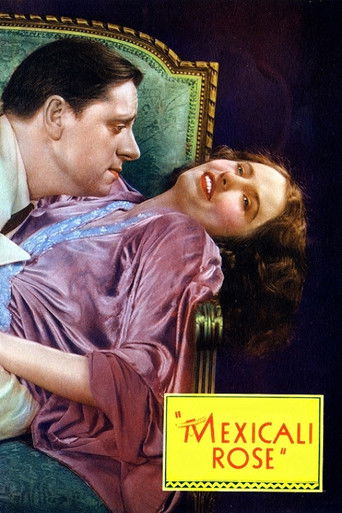
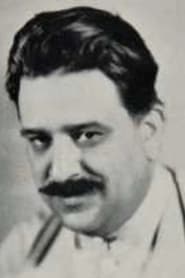
American actor active during the transitional period from silent films to early sound cinema in the late 1920s. His only known film appearance was in the 1929 western 'Mexicali Rose,' which was released during the early talkie era when many actors were making the transition from silent to sound films. Vejar was part of the large ensemble of character actors and supporting players who populated Hollywood films during this period, often appearing uncredited or in minor roles. Like many actors of his era, his career appears to have been brief, possibly due to the challenges of adapting to sound technology or the intense competition in the rapidly changing film industry. The limited documentation of his career is typical of many supporting actors from this period whose contributions to early cinema were significant but not extensively recorded in historical archives. His single known film credit places him among the generation of actors who witnessed and participated in one of cinema's most transformative periods.
The Craft
Milestones
- Appeared in 'Mexicali Rose' (1929) during the early sound era
Best Known For
Must-See Films
Why They Matter
Impact on Culture
Harry J. Vejar represents the countless supporting actors who formed the backbone of early Hollywood cinema, contributing to the films during the transitional period from silent to sound. While his individual impact may be difficult to trace due to limited documentation, actors like Vejar were essential to the film industry's development, providing the necessary depth and authenticity to ensemble casts. His participation in early sound films places him among the pioneers who helped establish the conventions of talking pictures, a medium that would revolutionize entertainment worldwide. The scarcity of information about such performers highlights the need for greater preservation and documentation of early cinema history.
Lasting Legacy
The legacy of Harry J. Vejar lies in his representation of the thousands of working actors who populated early Hollywood films but whose names have largely faded from historical memory. His appearance in 'Mexicali Rose' (1929) shows the collaborative nature of filmmaking during cinema's formative years. While not a major star, Vejar and actors like him were crucial to the success of the films they appeared in, contributing to the overall quality and authenticity of early motion pictures. His story underscores the importance of recognizing all contributors to cinema history, not just the leading figures who typically dominate historical narratives.
Who They Inspired
Due to the limited documentation of Harry J. Vejar's career, his specific influence on other actors or filmmakers cannot be definitively traced. However, as part of the early sound film generation, he would have been among the actors who helped establish the techniques and conventions of talking picture performance. His work, like that of his contemporaries, would have contributed to the evolving craft of film acting during this crucial transitional period in cinema history.
Off Screen
Very limited information is available about Harry J. Vejar's personal life, which is typical of many supporting actors from the silent and early sound era whose biographical details were not extensively documented in historical records.
Did You Know?
- Harry J. Vejar's only known film credit is 'Mexicali Rose' (1929), placing him at the dawn of the sound era
- The film 'Mexicali Rose' was released during a pivotal year when Hollywood was transitioning from silent films to talkies
- Many actors with brief careers like Vejar's were unable to make the successful transition from silent to sound films
- The scarcity of biographical information about Vejar is typical of supporting actors from this period
- 1929 was the year of the first Academy Awards ceremony, marking a new era in film recognition
- Early sound films like 'Mexicali Rose' often featured ensemble casts with many uncredited or minor players
Frequently Asked Questions
Who was Harry J. Vejar?
Screen credits include early sound films. His only known film credit is 'Mexicali Rose' (1929), making him part of the generation of actors who worked during the transitional period from silent cinema to talkies.
What films is Harry J. Vejar best known for?
Titles linked here include Mexicali Rose (1929).
When was Harry J. Vejar born and when did he die?
Specific birth and death dates for Harry J. Vejar are not documented in available historical records, which is common for many supporting actors from the silent and early sound era. His career is only known to have been active in 1929.
What awards did Harry J. Vejar win?
There are no records of Harry J. Vejar receiving any major awards or nominations for his work in film. This is typical for many supporting actors of his era whose contributions were not formally recognized by award institutions.
What was Harry J. Vejar's acting style?
Due to the limited documentation of his career and the loss of many films from this period, Harry J. Vejar's specific acting style cannot be definitively determined. As an actor working in 1929, he would have been adapting to the new demands of sound film performance.
Why is so little information available about Harry J. Vejar?
The scarcity of information about Harry J. Vejar is typical of many supporting actors from early Hollywood. Studios often did not maintain detailed records of minor performers, and many biographical details were lost over time, especially for actors whose careers were brief.