
Kenneth Anger
Director
Born: February 3, 1927 in Santa Monica, California, USA Died: May 11, 2023 Active: 1947-2023 Birth Name: Kenneth Wilbur Anglemeyer
Films
1 film
About Kenneth Anger
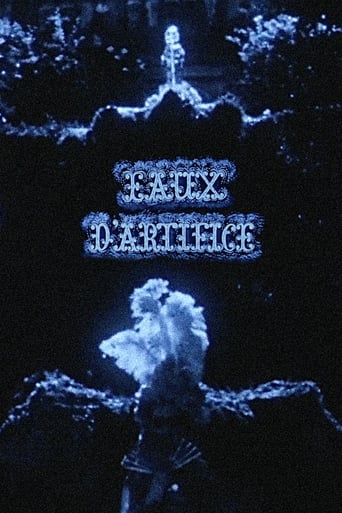
American experimental filmmaker and author: avant-garde work profoundly influenced underground cinema and queer culture. Born Kenneth Wilbur Anglemeyer, he began making films as a teenager, with his controversial 1947 film 'Fireworks' establishing his reputation for homoerotic imagery and occult themes. His 1953 masterpiece 'Eaux d'artifice' demonstrated his mastery of visual poetry, featuring a single figure in elaborate Italian fountain gardens set to Vivaldi's music. Anger gained international acclaim with 'Scorpio Rising' (1964), which revolutionized the use of pop music in film and explored biker culture and Nazi imagery. He dedicated decades to his 'Magick Lantern Cycle,' a series exploring occult philosophy and Aleister Crowley's Thelema religion. Beyond filmmaking, Anger authored the scandalous 'Hollywood Babylon' books, exposing the hidden lives of classic film stars. His work influenced countless directors including Martin Scorsese, David Lynch, and John Waters, and he remained an active filmmaker until his death at age 96 in 2023.
The Craft
Behind the Camera
Anger's directing style is characterized by hypnotic, ritualistic imagery, rapid editing, and the fusion of occult symbolism with pop culture. He pioneered the use of pop music as narrative device, creating what he called 'psychodramas' that explored themes of homosexuality, mythology, and magick. His films are visually lush, often featuring elaborate costumes, symbolic props, and choreographed movements that create dreamlike, trance-inducing experiences. Anger's work rejects traditional narrative structure in favor of associative editing and visual poetry, influencing the music video genre and experimental cinema.
Milestones
- Fireworks (1947) - First major underground film
- Eaux d'artifice (1953) - Visual masterpiece filmed in Italian gardens
- Scorpio Rising (1964) - Revolutionary use of pop music
- Hollywood Babylon books (1959, 1974) - Scandalous Hollywood exposés
- Magick Lantern Cycle - Lifelong occult film project
- Inauguration of the Pleasure Dome (1954) - Thelemic ritual film
Best Known For
Must-See Films
Accolades
Won
- Maya Deren Award for Independent Film (1986)
- Los Angeles Film Critics Association Career Achievement Award (2002)
- San Francisco International Film Festival Golden Gate Award (1979)
- Film Society of Lincoln Center Tribute (2009)
Nominated
- Nominated for inclusion in National Film Registry (Scorpio Rising, 2022)
Special Recognition
- Museum of Modern Art retrospective (1970)
- Whitney Museum of American Art retrospective (1995)
- Tate Modern exhibition (2005)
- American Film Institute recognition as avant-garde pioneer
- Queer Film Hall of Fame inductee
Working Relationships
Worked Often With
Studios
Why They Matter
Impact on Culture
Kenneth Anger revolutionized underground cinema by creating a new visual language that merged occult symbolism, queer identity, and pop culture. His innovative use of pop music in 'Scorpio Rising' essentially invented the modern music video format and influenced MTV's aesthetic. Anger's unapologetic exploration of homoerotic themes helped pave the way for queer cinema, while his 'Hollywood Babylon' books exposed the myth of Hollywood's golden age, revealing its dark underbelly. His work bridged the gap between high art and popular culture, influencing everything from punk rock aesthetics to contemporary fashion. The occult themes in his films introduced esoteric spirituality to mainstream audiences, particularly influencing counterculture movements of the 1960s and 1970s.
Lasting Legacy
Kenneth Anger's legacy as the godfather of American avant-garde cinema is cemented by his enduring influence on filmmakers, musicians, and artists. His films remain essential viewing in film studies programs worldwide, and his techniques are studied for their groundbreaking approach to editing and sound design. The 'Magick Lantern Cycle' stands as one of cinema's most ambitious personal projects, demonstrating how film can serve as a vehicle for spiritual exploration. Anger's work continues to be exhibited in major museums and film festivals, inspiring new generations of experimental filmmakers. His books remain controversial classics of Hollywood literature, and his influence can be seen in everything from music videos to fashion photography.
Who They Inspired
Anger directly influenced Martin Scorsese's use of pop music in 'Mean Streets' and 'Goodfellas,' with Scorsese citing 'Scorpio Rising' as a major inspiration. John Waters has repeatedly acknowledged Anger's influence on his own camp aesthetic and subversive filmmaking. David Lynch's surreal, dreamlike imagery bears Anger's influence, particularly in the use of symbolic props and ritualistic scenes. The entire punk rock movement drew visual inspiration from Anger's films, with bands like The Stooges and The Velvet Underground incorporating his aesthetic. Contemporary filmmakers like Guy Maddin and Apichatpong Weerasethakul continue his tradition of personal, poetic cinema. The music video industry owes a debt to Anger's fusion of image and popular music.
Off Screen
Anger was openly gay and his work often explored queer themes long before it was socially acceptable. He was deeply involved in occult practices, particularly Thelema, the religion founded by Aleister Crowley. He lived a nomadic lifestyle, spending time in Paris, London, and various locations across California. Anger never married and had no children, dedicating his life entirely to his artistic and spiritual pursuits. He was known for his eccentric personality and extensive knowledge of Hollywood history and occult lore.
Education
Studied at the University of Southern California (USC) film school briefly; left to pursue independent filmmaking. Also studied at the University of California, Los Angeles (UCLA) for a short period.
Did You Know?
- Was a child actor who appeared in the 1935 film 'A Midsummer Night's Dream' as the changeling prince
- Met Marilyn Monroe when they were both teenagers at a Hollywood party
- His film 'Fireworks' was considered obscene and led to his arrest in 1947
- Spent several years living in Paris during the 1950s where he met Jean Cocteau
- The Rolling Stones' 'Sympathy for the Devil' was originally intended for 'Lucifer Rising'
- Was friends with Jimmy Page of Led Zeppelin, who shared his interest in Crowley
- His films often cost very little to make but took years to complete
- Was a founding member of the Cinema 16 experimental film society
- His 'Hollywood Babylon' books were banned in several countries
- Appeared as himself in the 2008 documentary 'Anger Me'
In Their Own Words
Cinema is the ultimate pervert art. It doesn't give you what you desire – it tells you how to desire.
I make films that I want to see. If other people want to see them, that's fine.
Hollywood is a place where they'll pay you a thousand dollars for a kiss and fifty cents for your soul.
My films are made for the eye, not the intellect.
I'm not interested in telling stories. I'm interested in creating spells.
The cinema is a temple of dreams, and I am its high priest.
Frequently Asked Questions
Who was Kenneth Anger?
American experimental filmmaker and author known for his avant-garde films exploring occult themes, queer identity, and pop culture. He was a figure in underground cinema whose work influenced generations of filmmakers and musicians.
What films is Kenneth Anger best known for?
Titles linked here include Fireworks (1947), Eaux d'artifice (1953).
When was Kenneth Anger born and when did he die?
Born February 3, 1927; died May 11, 2023.
What awards did Kenneth Anger win?
Anger received the Maya Deren Award for Independent Film (1986), Los Angeles Film Critics Association Career Achievement Award (2002), and numerous retrospectives at major museums including MoMA and the Whitney Museum.
What was Kenneth Anger's directing style?
Anger's directing style featured hypnotic, ritualistic imagery, rapid editing, and innovative use of pop music. His films rejected traditional narrative structure in favor of visual poetry, occult symbolism, and dreamlike sequences exploring themes of magick and queer identity.