Films
1 film
About Viktor Kulakov
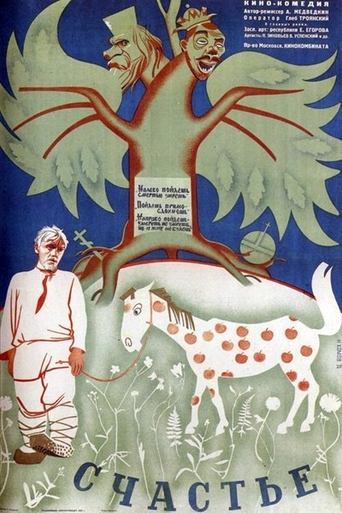
Viktor Kulakov is credited on a single production — Happiness (1935). Directed by Aleksandr Medvedkin. This film was notable for its critical yet humorous take on the challenges of collectivization and the pursuit of happiness in early Soviet society. Kulakov's career appears to have been extremely brief, with his entire known filmography limited to this single production. Like many actors from this period of Soviet cinema, detailed records of his life and career are scarce, reflecting the limited documentation practices of the time and the potential loss of archival materials during the turbulent decades that followed.
The Craft
Milestones
- Appeared in Aleksandr Medvedkin's satirical film 'Happiness' (1935)
Best Known For
Iconic Roles
Must-See Films
Working Relationships
Worked Often With
Why They Matter
Impact on Culture
As a minor actor in early Soviet cinema, Viktor Kulakov's cultural impact is minimal but representative of the many anonymous performers who contributed to the development of Soviet film art during the 1930s. His participation in 'Happiness' places him within the context of Soviet satirical filmmaking, which often walked a fine line between social commentary and official approval.
Lasting Legacy
Viktor Kulakov's legacy is primarily that of a representative figure from the early years of Soviet sound cinema, illustrating how many actors from this period have been lost to history despite their contributions to important films of the era. His story reflects the broader challenge of preserving the memory of minor figures in film history.
Who They Inspired
Due to the extremely limited nature of his known work, Viktor Kulakov's influence on other actors or filmmakers cannot be determined. He remains primarily of interest to film historians studying the complete cast lists of early Soviet productions.
Off Screen
Very little is known about Viktor Kulakov's personal life due to the scarcity of historical records about minor actors from early Soviet cinema. His brief appearance in film history suggests he may have been a non-professional actor or someone who pursued acting only briefly.
Did You Know?
- His only known film appearance was in the Soviet satire 'Happiness' (1935)
- The film he appeared in was directed by notable Soviet filmmaker Aleksandr Medvedkin
- 'Happiness' was one of the early Soviet sound films that used satire to explore social issues
- Like many minor actors from 1930s Soviet cinema, detailed biographical information about him has not survived
- His entire known film career spans just one year - 1935
- The film he appeared in was later recognized as an important example of Soviet satirical cinema
Frequently Asked Questions
Who was Viktor Kulakov?
Soviet with credits in this catalog. His career appears to have been extremely brief, consisting of this single film credit.
What films is Viktor Kulakov best known for?
Titles linked here include Happiness (1935).
When was Viktor Kulakov born and when did he die?
Unfortunately, specific birth and death dates for Viktor Kulakov are not available in historical records, which is common for minor actors from early Soviet cinema.
What awards did Viktor Kulakov win?
There are no known awards or nominations for Viktor Kulakov, which is typical for actors with such limited film credits during this period of Soviet cinema.
What was Viktor Kulakov's acting style?
Due to the scarcity of information and the limited nature of his known work, Viktor Kulakov's specific acting style cannot be determined from available historical records.