
Rudolf Rittner
Actor
Born: June 30, 1869 in Döbeln, Saxony, Germany Died: February 4, 1943 Active: 1890s-1940s
Films
1 film
About Rudolf Rittner
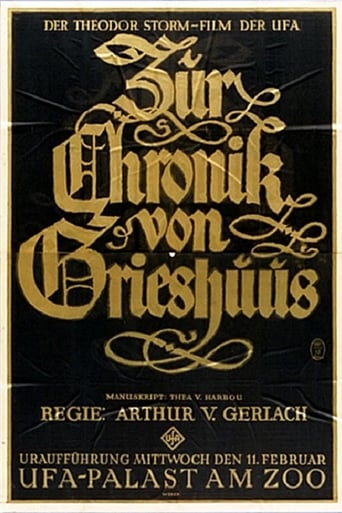
Made significant contributions to both stage and screen during the late 19th and early 20th centuries. Born in Saxony, he rose to prominence in the German theatrical scene during the 1890s, becoming known for his powerful naturalistic performances and his dedication to socially relevant drama. Rittner was particularly associated with the works of Gerhart Hauptmann and was instrumental in popularizing naturalist theater in Germany. His transition to silent film came relatively late in his career, with his most notable screen appearance being in 'The Chronicles of the Gray House' (1925), a German silent drama. Beyond acting, Rittner was also a respected playwright, penning several works that reflected his commitment to social realism and psychological depth. His nearly five decades, during which he influenced generations of German performers and helped shape modern theatrical expression. Despite his brief film career, Rittner's legacy remains primarily rooted in his theatrical achievements and his role in advancing naturalist drama in German-speaking countries.
The Craft
On Screen
Rittner was renowned for his naturalistic acting style, characterized by psychological depth, emotional authenticity, and a rejection of theatrical artificiality. His performances emphasized the internal motivations of characters and social realities, reflecting the naturalist movement's focus on depicting life truthfully. He employed subtle gestures, nuanced vocal delivery, and intense concentration to create believable, multi-dimensional characters. His approach was particularly influential in German theater, where he helped establish new standards for realistic performance that moved away from the declamatory style of 19th-century acting.
Milestones
- Leading figure in German naturalist theater movement
- Notable stage performer of Gerhart Hauptmann's works
- Transition to silent film in the 1920s
- Appeared in 'The Chronicles of the Gray House' (1925)
- Influential playwright in German theatrical tradition
- Pioneer of psychological realism in German performance
Best Known For
Iconic Roles
Must-See Films
Accolades
Special Recognition
- Recognized as a leading figure in German naturalist theater
- Honored for contributions to German dramatic arts
Working Relationships
Worked Often With
Studios
Why They Matter
Impact on Culture
Rudolf Rittner played a significant role in shaping German theatrical culture during a pivotal period of artistic transformation. His dedication to naturalistic performance helped establish new standards for acting that emphasized psychological realism and social relevance. Through his interpretations of contemporary plays and his own dramatic works, Rittner contributed to the modernization of German theater, moving it away from artificial conventions toward more authentic human expression. His influence extended beyond performance to impact how German audiences understood and engaged with socially conscious drama. Rittner's work represented the intersection of art and social commentary that characterized much of the most significant German cultural production of his era.
Lasting Legacy
Rudolf Rittner's legacy endures primarily through his impact on German theatrical tradition and his role in advancing naturalist drama. While his film career was brief, his contributions to stage performance and dramatic literature left a lasting impression on German cultural history. He is remembered as part of the generation that transformed German theater from classical traditions to modern realism, helping pave the way for the experimental movements that would follow. His dedication to psychological authenticity and social relevance in performance influenced subsequent generations of German actors and directors. Rittner represents the bridge between 19th-century theatrical conventions and 20th-century modernism in German performing arts.
Who They Inspired
Rittner influenced German theater through his naturalistic acting approach and his interpretations of contemporary dramatic works. His emphasis on psychological realism helped establish new performance standards that moved away from artificiality toward authentic human expression. Younger German actors and theater companies adopted aspects of his naturalistic style, contributing to the broader modernization of German performance traditions. His work with socially relevant drama also helped establish theater as a medium for social commentary and cultural critique in German society.
Off Screen
Rudolf Rittner was deeply committed to his theatrical career, which dominated his personal and professional life. He was part of the vibrant cultural scene in Germany during the transition from the 19th to the 20th century, interacting with many prominent artists, writers, and intellectuals of his time. His dedication to social realism in theater reflected his broader concern with social issues and human psychology. Rittner witnessed and participated in the dramatic changes in German society and culture through two world wars, which undoubtedly influenced his artistic perspective and choices.
Education
Trained in classical theater and dramatic arts in Germany during the late 19th century, though specific educational institutions are not widely documented in available sources.
Did You Know?
- Primarily known as a stage actor rather than a film star
- Part of the German naturalist theater movement
- Appeared in films only during the later years of his career
- His most famous film role was in 'The Chronicles of the Gray House' (1925)
- Specialized in contemporary German drama rather than classical works
- Witnessed the transition from silent to sound film in Germany
- His theatrical active years covered nearly five decades
- Associated with the intellectual and artistic circles of Wilhelmine and Weimar Germany
In Their Own Words
The truth of human experience must be reflected in every gesture and word on stage
Theater is not entertainment alone, but a mirror to society's soul
Naturalism in art requires the courage to show life as it truly is
Frequently Asked Questions
Who was Rudolf Rittner?
German with credits in this catalog.
What films is Rudolf Rittner best known for?
Titles linked here include The Chronicles of the Gray House (1925).
When was Rudolf Rittner born and when did he die?
Born June 30, 1869; died February 4, 1943.
What awards did Rudolf Rittner win?
While specific major awards are not documented in available sources, Rittner was recognized as a leading figure in German naturalist theater and honored for his contributions to German dramatic arts.
What was Rudolf Rittner's acting style?
Rittner was known for his naturalistic acting style, characterized by psychological depth, emotional authenticity, and a rejection of theatrical artificiality, emphasizing internal motivations and social realities.