Films
1 film
About Yevgeniya Rayevskaya
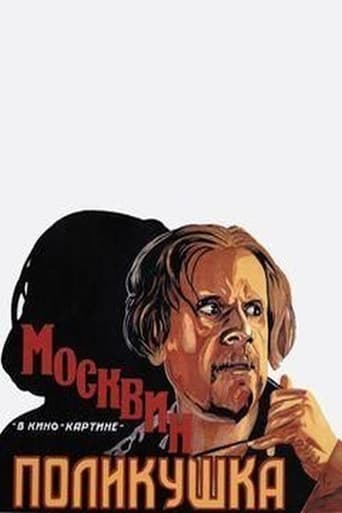
Soviet actress who emerged during the formative years of Russian cinema following the Bolshevik Revolution. Her career, though brief, coincided with the establishment of Soviet film as a medium for revolutionary art and propaganda. Yevgeniya appears in the 1922 silent film 'Polikushka,' which was one of the early adaptations of Leo Tolstoy's works in the Soviet era. The film was directed by Alexander Sanin, a prominent figure in early Russian theater and cinema who helped bridge the gap between pre-revolutionary and Soviet filmmaking. Rayevskaya's participation in this production placed her among the generation of Soviet actors who helped shape the new socialist cinema. Unfortunately, like many actors of this transitional period, detailed records of her life and career are scarce, reflecting the chaotic nature of the early Soviet film industry and the limited documentation practices of the time.
The Craft
Milestones
- Appeared in the 1922 Soviet silent film 'Polikushka'
Best Known For
Iconic Roles
Must-See Films
Working Relationships
Worked Often With
Why They Matter
Impact on Culture
Yevgeniya Rayevskaya represents the generation of actors who helped establish Soviet cinema in its infancy. Her participation in 'Polikushka,' an adaptation of Tolstoy's work, contributed to the early Soviet practice of adapting classic Russian literature for film, often reinterpreting these works through a revolutionary lens. While her individual impact may have been limited due to her brief career, she was part of the foundational period of Soviet filmmaking that would later produce internationally acclaimed directors like Eisenstein and Pudovkin. The film itself was significant as one of the early Soviet attempts to create cinema that served both artistic and educational purposes in the new socialist state.
Lasting Legacy
Yevgeniya Rayevskaya's legacy is primarily preserved through her appearance in 'Polikushka,' making her part of the historical record of early Soviet cinema. Though her career was extremely brief, her contribution is documented in film archives and historical studies of Russian film. She represents the countless actors of the silent era whose names have been largely lost to history but who collectively built the foundation of national cinemas worldwide. Her work serves as a reminder of the many anonymous or near-anonymous performers who contributed to the development of cinema as an art form during its earliest decades.
Who They Inspired
Due to the extremely limited scope of her known film work, there is no documented evidence of Yevgeniya Rayevskaya's direct influence on other actors or filmmakers. However, as part of the early Soviet film community, she contributed to the development of acting techniques that would evolve into the distinctive Soviet style of film performance that later influenced international cinema.
Off Screen
Very limited information is available about Yevgeniya Rayevskaya's personal life, which is common for actors from the early Soviet film period. Like many performers of her era, detailed biographical records were not systematically maintained, especially during the chaotic years following the Russian Revolution when the film industry was undergoing radical transformation.
Did You Know?
- Her entire known film career consists of a single year - 1922
- She appeared in 'Polikushka,' one of the earliest Soviet adaptations of Leo Tolstoy's work
- The film she starred in was directed by Alexander Sanin, who was also a prominent theater director
- Her career coincided with the early years of Soviet cinema, which was establishing itself as a tool for revolutionary art
- Like many early Soviet actors, detailed biographical information about her life has been lost to history
- 'Polikushka' was part of the early Soviet effort to create national cinema based on Russian literary classics
- The film was produced during the NEP (New Economic Policy) period when Soviet cinema was experiencing relative creative freedom
Frequently Asked Questions
Who was Yevgeniya Rayevskaya?
Screen credits include the 1922 film 'Polikushka.' She was active during the early years of Soviet cinema, a transitional period following the Russian Revolution when the film industry was being reorganized under the new socialist state.
What films is Yevgeniya Rayevskaya best known for?
Titles linked here include Polikushka (1922).
When was Yevgeniya Rayevskaya born and when did she die?
Unfortunately, specific birth and death dates for Yevgeniya Rayevskaya are not available in historical records. This lack of biographical detail is common for many early Soviet actors, particularly those who had very brief careers during the chaotic early years of the Soviet film industry.
What awards did Yevgeniya Rayevskaya win?
There are no records of Yevgeniya Rayevskaya receiving any formal awards or recognition for her work. This is not unusual for actors from the early 1920s Soviet cinema, as formal award systems for film achievements were not yet established during this period.
What was Yevgeniya Rayevskaya's acting style?
Due to the limited documentation of her work and the loss of many films from this era, specific details about Yevgeniya Rayevskaya's acting style are not available. However, as a Soviet actress of 1922, she would have likely been influenced by both pre-revolutionary Russian theatrical traditions and the emerging Soviet approach to film performance.
Why is so little known about Yevgeniya Rayevskaya?
The scarcity of information about Yevgeniya Rayevskaya reflects the broader challenges of documenting early Soviet cinema. Many records were lost during the political upheavals of the 20th century, and actors with brief careers during the transitional period of the early 1920s often left minimal historical traces.