No Poster
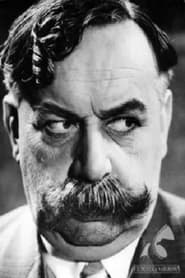
Aleksander Zelwerowicz
Actor
Born: August 14, 1877 in Lublin, Poland (then Russian Empire) Died: June 18, 1955 Active: 1895-1955
Films
2 films
About Aleksander Zelwerowicz
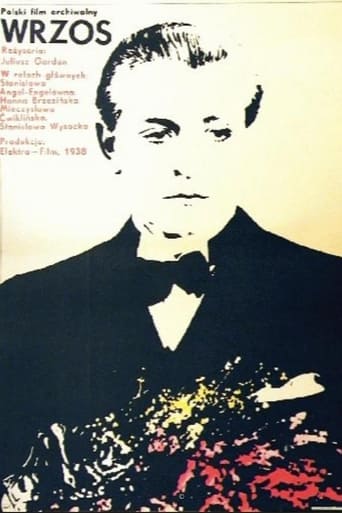
Aleksander Zelwerowicz performed in Rok 1863 (1922) and Wrzos (1938). A towering figure in Polish theater and cinema from the late 19th century through the mid-20th century. He began his theatrical journey in 1895 and quickly established himself as one of Poland's foremost actors, known for his powerful stage presence and dramatic intensity. His film career, though secondary to his theater work, included memorable performances in silent films like 'Rok 1863' (1922) and early sound films such as 'Wrzos' (1938). During World War II, he courageously participated in underground cultural activities to preserve Polish artistic heritage. After the war, he became the founding rector of the State Higher School of Theatre in Łódź in 1946, and later in Warsaw in 1949, where he developed his influential approach to actor training. His dedication to education and mentorship shaped generations of Polish performers. He continued acting and teaching until his death in 1955, leaving a lasting influence on Polish performing arts.
The Craft
On Screen
Zelwerowicz was renowned for his powerful, classical acting style that combined theatrical gravitas with psychological depth. His performances were characterized by exceptional vocal control, precise diction, and an ability to convey complex emotional states through both grand gestures and subtle expressions. He brought the intensity and discipline of classical theater to his film roles, creating characters that resonated deeply with Polish audiences. His approach emphasized the importance of technical mastery combined with emotional authenticity, believing that actors must be both skilled craftsmen and sensitive artists.
Milestones
- Theater debut in 1895
- Film debut in 'Rok 1863' (1922)
- Notable performance in 'Wrzos' (1938)
- First rector of State Higher School of Theatre in Łódź (1946)
- First rector of State Higher School of Theatre in Warsaw (1949)
- Awarded Order of the Builders of People's Poland posthumously
- Developed influential Polish method of actor training
Best Known For
Iconic Roles
Must-See Films
Accolades
Won
- Order of the Builders of People's Poland (posthumously, 1955)
- State Award, First Class (1949)
- Commander's Cross with Star of the Order of Polonia Restituta (1950)
Special Recognition
- First rector of State Higher School of Theatre in Łódź
- First rector of State Higher School of Theatre in Warsaw
- Aleksander Zelwerowicz Theatre Academy in Warsaw named in his honor
- Multiple theaters across Poland bear his name
Working Relationships
Worked Often With
Studios
Why They Matter
Impact on Culture
Aleksander Zelwerowicz had a transformative impact on Polish theater and cinema, helping to establish modern theatrical education in Poland while preserving the country's cultural identity during turbulent historical periods. His work bridged classical and modern performance techniques, creating a uniquely Polish approach to actor training that emphasized both technical excellence and emotional truth. During World War II, his involvement in underground cultural resistance helped maintain Polish artistic traditions under occupation. His establishment of theater schools in Łódź and Warsaw created institutions that would become cornerstones of Polish performing arts education, producing generations of leading actors, directors, and theater artists.
Lasting Legacy
Zelwerowicz's legacy endures through the Aleksander Zelwerowicz Theatre Academy in Warsaw, which remains one of Poland's most prestigious institutions for actor training. His pedagogical methods, combining rigorous technical training with psychological depth, became foundational in Polish theater education and continue to influence acting pedagogy today. Many of Poland's most celebrated actors studied under his system, carrying his teachings forward to new generations. The numerous theaters and cultural institutions bearing his name across Poland testify to his enduring significance in the nation's cultural landscape. His approach to acting, emphasizing the integration of voice, movement, and emotional authenticity, remains central to Polish theatrical tradition.
Who They Inspired
Zelwerowicz directly influenced multiple generations of Polish performers through his teaching and his example as both artist and educator. His students became some of Poland's most renowned actors, who in turn taught subsequent generations, creating a lasting pedagogical lineage. His methods of actor training, which emphasized the importance of comprehensive technical development combined with psychological truth, became standard in Polish theater education. His influence extended beyond Poland as his students and their protégés gained international recognition, spreading his approach to actor training globally. His emphasis on the actor's responsibility to society and culture helped shape the role of theater in Polish public life.
Off Screen
Aleksander Zelwerowicz was deeply committed to Polish culture and education throughout his life. He married twice and had children who also became involved in artistic pursuits. During the German occupation in World War II, he risked his life by participating in underground cultural activities to preserve Polish artistic heritage. He was known as a demanding but fair teacher who inspired deep loyalty and respect from his students. His personal life was marked by dedication to his art and his country, even in the most challenging circumstances.
Education
Studied acting and theater arts in the late 19th century Polish theatrical tradition
Family
- Maria Zelwerowicz (first marriage)
- Wanda Zelwerowicz (second marriage)
Did You Know?
- He was one of the first rectors of the famous Łódź Film School
- During WWII, he participated in underground cultural resistance activities
- He was known for his distinctive, powerful voice and commanding stage presence
- The Warsaw Theatre Academy officially bears his name
- He was awarded Poland's highest civilian honors posthumously
- He helped develop the distinctive Polish method of actor training
- His acting active years covered from the 19th century through the mid-20th century
- He was instrumental in rebuilding Polish theater after WWII devastation
- He was known for his strict but deeply caring teaching methods
- He spoke multiple languages, facilitating international artistic connections
In Their Own Words
The actor must be both the instrument and the musician who plays it
Theater is not entertainment, it is a mission to serve truth and humanity
To teach acting is to teach life itself in all its complexity and beauty
Every role is a new life to be lived honestly and completely
Frequently Asked Questions
Who was Aleksander Zelwerowicz?
What films is Aleksander Zelwerowicz best known for?
When was Aleksander Zelwerowicz born and when did he die?
Born August 14, 1877; died June 18, 1955.
What awards did Aleksander Zelwerowicz win?
Zelwerowicz received Poland's highest honors including the Order of the Builders of People's Poland (awarded posthumously in 1955), the State Award First Class (1949), and the Commander's Cross with Star of the Order of Polonia Restituta (1950). He was also honored with numerous theaters and educational institutions bearing his name.
What was Aleksander Zelwerowicz's acting style?
Zelwerowicz's acting style combined classical theatrical techniques with psychological depth, characterized by powerful vocal control, precise diction, and the ability to convey complex emotions through both grand gestures and subtle expressions. He brought theatrical gravitas to his film roles and emphasized technical mastery combined with emotional authenticity in his teaching.
What is Aleksander Zelwerowicz's legacy in Polish theater?
Zelwerowicz's legacy includes founding Poland's premier theater schools in Łódź and Warsaw, developing the Polish method of actor training, and mentoring generations of Poland's most leading actors. The Aleksander Zelwerowicz Theatre Academy in Warsaw continues to bear his name and uphold his educational principles, making him.