Films
1 film
About Ruth Ann Baldwin
American film director and screenwriter who worked during the silent era, with her entire known filmography concentrated in the year 1917. She emerged as one of the relatively few women directors working in Hollywood during the early days of cinema, a period when the film industry was still establishing its conventions and hierarchies. Baldwin's directorial work included several Western films, which was unusual for women filmmakers of her time, as the Western genre was typically dominated by male directors. Her most notable directorial effort was 'The Girl from Nowhere' (1917), a Western that showcased her ability to work within genre conventions while potentially bringing a unique feminine perspective to the storytelling. Beyond directing, Baldwin also contributed to the film industry as a screenwriter, penning scenarios and scripts for various productions. Her career, though brief and concentrated in a single year, represents an important chapter in the history of women's participation in early American cinema, particularly in genres where female directors were exceptionally rare. After 1917, Baldwin seemingly disappeared from the film industry, making her one of many talented women from early Hollywood whose careers were cut short or undocumented in the historical record.
The Craft
Behind the Camera
Baldwin's directing style, while not extensively documented, appears to have been focused on Western narratives, suggesting she worked within established genre conventions of the silent era. As a woman director in a male-dominated genre, she likely brought a unique perspective to the typical Western formula, though specific details about her directorial techniques and visual style remain largely unknown due to the limited survival of her films and documentation.
Milestones
- Directed 'The Girl from Nowhere' (1917)
- Wrote and directed multiple Western films in 1917
- One of the few women directors in early Hollywood
- Contributed to silent era cinema during its formative years
Best Known For
Must-See Films
Working Relationships
Studios
Why They Matter
Impact on Culture
Ruth Ann Baldwin represents an important but largely forgotten chapter in cinema history as one of the women directors who worked during the silent era. Her work in Western filmmaking was particularly significant given the genre's masculine associations and the rarity of women directors in any capacity during this period. Baldwin's career, though brief, contributes to our understanding of women's early participation in Hollywood and challenges the narrative that women were absent from behind-the-camera roles in cinema's formative years. Her story highlights the many talented women from early Hollywood whose contributions have been marginalized or lost to history.
Lasting Legacy
Ruth Ann Baldwin's legacy lies in her role as a pioneer among women directors in early American cinema, particularly in the Western genre. While her films may not have survived the test of time and her career was remarkably brief, her very presence as a director in 1917 represents an important milestone in the history of women in film. Modern film historians and feminist film scholars have begun to rediscover and acknowledge figures like Baldwin as part of the ongoing effort to rewrite film history to include the many women who helped shape cinema during its earliest decades.
Who They Inspired
While direct evidence of Baldwin's influence on other filmmakers is difficult to trace due to the brief nature of her career and limited documentation, her work as a woman director in the Western genre during 1917 likely paved the way for future women filmmakers. Her existence challenges assumptions about gender roles in early Hollywood and demonstrates that women were involved in all aspects of filmmaking from the industry's inception, including directing in genres traditionally associated with male filmmakers.
Off Screen
Very little information is available about Ruth Ann Baldwin's personal life, which is unfortunately common for many women who worked in early cinema. Her brief appearance in the film industry during 1917 followed by her disappearance from historical records suggests she may have left the industry for personal reasons, marriage, or other opportunities. The lack of documentation about her life outside of her film work reflects the broader historical neglect of women's contributions to early Hollywood.
Did You Know?
- Ruth Ann Baldwin's entire known directorial career was confined to the single year of 1917
- She was one of the few women directors working in the Western genre during the silent era
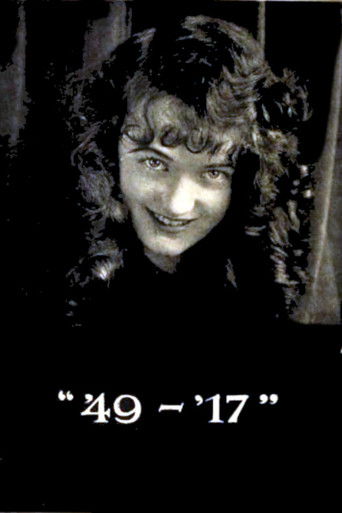
- Her film '49–'17' appears to reference the California Gold Rush of 1849
- Like many early films, most of Baldwin's work is now considered lost
- She worked for Universal Film Manufacturing Company during her brief career
- Baldbard represents the many women filmmakers from early Hollywood whose stories remain largely untold
- Her career coincided with World War I, a period of significant social and industrial change in America
Frequently Asked Questions
Who was Ruth Ann Baldwin?
American on YTB.my. She was one of the relatively few women directors working in early Hollywood, particularly notable for directing Western films, a genre typically dominated by men.
What films is Ruth Ann Baldwin best known for?
Titles linked here include The Girl from Nowhere (1917), 49–'17 (1917).
When was Ruth Ann Baldwin born and when did she die?
Specific birth and death dates for Ruth Ann Baldwin are not documented in historical records, which is unfortunately common for many women who worked in early cinema. Her career is only known to have been active in 1917.
What awards did Ruth Ann Baldwin win?
There are no recorded awards or honors for Ruth Ann Baldwin, which reflects both the brief nature of her career and the limited recognition available to filmmakers during the silent era, particularly women working behind the camera.
What was Ruth Ann Baldwin's directing style?
While specific details about Baldwin's directing style are limited due to the loss of her films and lack of documentation, she worked primarily in the Western genre, suggesting she operated within established genre conventions of the silent era while potentially bringing a unique feminine perspective to typically male-dominated narratives.