
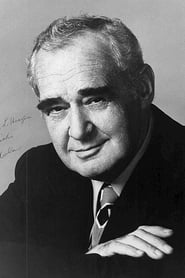
James Nolan
Actor
Born: November 29, 1915 in San Francisco, California, USA Died: July 29, 1985 Active: 1935-1962
Films
1 film
About James Nolan
Prolific American character actor: over three decades in Hollywood's Golden Age. Born in San Francisco, California, he began his acting career in the early 1930s and quickly established himself as a reliable supporting player in both leading and minor roles. Nolan appeared in more than 200 films throughout his career, often playing authority figures such as police officers, detectives, bartenders, and reporters. His distinctive face and dependable performances made him a familiar presence in film noir, westerns, and dramas. Despite never achieving leading man status, Nolan became one of Hollywood's most recognizable character actors, working consistently through the 1930s, 1940s, and 1950s. His performance in the film noir classic 'Too Late for Tears' (1949) stands as one of his most memorable roles, where he played a pivotal supporting character. Nolan continued working in television during the 1950s and early 1960s before retiring from acting.
The Craft
On Screen
Nolan was known for his naturalistic, no-nonsense acting style that brought authenticity to his supporting roles. He had a distinctive everyman quality that made him believable as police officers, reporters, and other authority figures. His performances were characterized by straightforward delivery and understated emotion, fitting perfectly within the film noir and crime drama genres where he frequently appeared.
Milestones
- Film debut in 'The Big Broadcast of 1936'
- Memorable role in 'Too Late for Tears' (1949)
- Appeared in over 200 films
- Transition to television in the 1950s
- Worked with major directors like Fritz Lang and John Huston
Best Known For
Iconic Roles
Must-See Films
Working Relationships
Worked Often With
Studios
Why They Matter
Impact on Culture
James Nolan represents the quintessential Hollywood character actor whose contributions, while often without on-screen billing in mainstream film history, were essential to the fabric of Golden Age cinema. His consistent presence in film noir helped define the genre's visual and narrative style, providing the authentic urban realism that these films required. Nolan's work exemplifies the studio system's ability to create a pool of reliable supporting actors who could bring credibility to any production.
Lasting Legacy
Nolan's legacy lies in his extensive body of work that serves as a time capsule of Hollywood's Golden Age. His appearances in classic films have made him a familiar face to generations of film enthusiasts and scholars. While never a star, his contributions to over 200 films demonstrate the importance of character actors in creating the classic American cinema.
Who They Inspired
As a working actor rather than a star, Nolan's influence was primarily through his example of professionalism and reliability. He showed generations of character actors that a successful career could be built on consistent, quality performances in supporting roles rather than leading man status.
Off Screen
James Nolan maintained a relatively private personal life despite his lengthy career in Hollywood. He married actress Isabel Jewell in 1936, though their marriage ended in divorce. Nolan was known among his colleagues as a professional and reliable actor who never sought the spotlight but always delivered solid performances. He lived in the Los Angeles area for most of his career and remained active in the film industry until his health began to decline in the early 1960s.
Family
- Isabel Jewell (1936-1939)
Did You Know?
- Often played police officers and detectives, appearing in uniform in over 50 films
- Was a favorite of film noir directors for his tough, realistic demeanor
- Never received an on-screen credit in many of his early films
- Worked with Humphrey Bogart in multiple films including 'The Big Sleep'
- Appeared in both versions of 'The Maltese Falcon' story (1931 and 1941)
- Was one of the few actors to work steadily through the entire studio system era
- His final film appearance was in 'Cape Fear' (1962)
- Sometimes credited as Jim Nolan in earlier films
- Was a member of the Screen Actors Guild from its early years
- Appeared in television westerns in the late 1950s and early 1960s
Frequently Asked Questions
Who was James Nolan?
Screen credits include over 200 films during Hollywood's Golden Age, primarily in supporting roles as police officers, reporters, and other authority figures. He was particularly known for his work in film noir and crime dramas.
What films is James Nolan best known for?
Titles linked here include Too Late for Tears (1949), The Big Sleep (1946).
When was James Nolan born and when did he die?
Born November 29, 1915; died July 29, 1985.
What awards did James Nolan win?
James Nolan did not receive major awards or nominations during his career, as was common for character actors of his era. His recognition came through consistent work and the respect of his colleagues in the film industry.
What was James Nolan's acting style?
Nolan was known for his naturalistic, straightforward acting style that brought authenticity to his supporting roles. He had a distinctive everyman quality that made him believable as authority figures, particularly in film noir where he often played police officers and detectives.