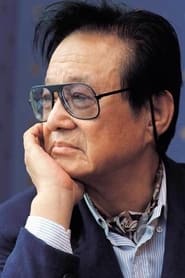
Shin Sang-ok
Director
Born: October 11, 1926 in Chongjin, North Hamgyong Province, Korea (now North Korea) Died: April 11, 2006 Active: 1952-2004 Birth Name: Shin Sang-ok (신상옥)
Films
1 film
About Shin Sang-ok
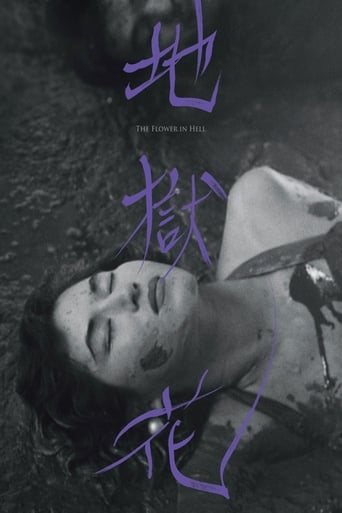
South Korean film director and producer: over four decades and produced more than 300 films. Born in 1926, he emerged as one of Korea's most influential filmmakers in the 1950s, establishing his own production company, Shin Films, in the 1960s. His early work, including 'The Flower in Hell' (1958), helped define the golden age of Korean cinema with its realistic portrayal of post-war society. In 1978, his life took an extraordinary turn when he and his wife, actress Choi Eun-hee, were kidnapped by North Korean agents on orders from Kim Jong-il. Held captive for eight years, they were forced to make films for the North Korean regime, including the internationally noted monster film 'Pulgasari' (1985). After a dramatic escape to Vienna in 1986, they eventually settled in the United States where Shin continued making films under the pseudonym Simon Sheen. His work encompasses diverse genres from melodramas to action films, and he's remembered as a pivotal figure who shaped Korean cinema while surviving bizarre stories in film history.
The Craft
Behind the Camera
Shin Sang-ok's directing style was characterized by its versatility and technical excellence. He was known for his ability to work across multiple genres, from social realist dramas to action films and monster movies. His early Korean films often featured gritty, realistic portrayals of post-war society with strong visual storytelling and emotional depth. During his North Korean period, he demonstrated remarkable adaptability, creating films that satisfied political requirements while maintaining artistic merit. His Hollywood work under the name Simon Sheen showed his ability to navigate different cultural contexts and commercial demands.
Milestones
- Directed 'The Flower in Hell' (1958), considered a masterpiece of Korean cinema
- Founded Shin Films production company (1961)
- Kidnapped by North Korea along with wife Choi Eun-hee (1978)
- Forced to make films for Kim Jong-il, including 'Pulgasari' (1985)
- Escaped from North Korea after 8 years of captivity (1986)
- Made films in Hollywood under pseudonym Simon Sheen
- Received retrospective at Cannes Film Festival (2002)
Best Known For
Must-See Films
Accolades
Won
- Best Director at Asian Film Festival (1960) for 'A Romantic Papa'
- Grand Bell Award for Best Director (1963, 1964)
- Korean Culture and Arts Award (1971)
- Order of Cultural Merit (South Korea, 2006)
Nominated
- Cannes Film Festival Golden Palm nomination for 'The Housemaid' (1961)
- Berlin International Film Festival Golden Bear nomination (multiple films)
Special Recognition
- Retrospective at Cannes Film Festival (2002)
- Korean Film Retrospective at Museum of Modern Art, New York
- Honored as 'Father of Korean Cinema' by Korean Film Council
- Inducted into Korean Film Hall of Fame
Working Relationships
Worked Often With
Studios
Why They Matter
Impact on Culture
Shin Sang-ok's impact on Korean cinema is immeasurable, earning him the title 'Father of Korean Cinema.' He single-handedly modernized Korean film production through his Shin Films studio, introducing professional standards and training countless filmmakers. His early films like 'The Flower in Hell' and 'The Housemaid' are considered masterpieces that influenced generations of Korean directors. The bizarre story of his North Korean captivity brought international attention to Korean cinema and highlighted the power of film as political propaganda. His ability to create compelling films under extreme circumstances demonstrated the resilience of artistic expression. His work bridged traditional Korean storytelling with modern cinematic techniques, helping establish Korean cinema's unique voice on the international stage.
Lasting Legacy
Shin Sang-ok's legacy extends far beyond his impressive filmography. He transformed Korean cinema from a cottage industry into a professional art form, establishing production standards that persist today. His Shin Films studio became a training ground for many of Korea's most important filmmakers. The story of his North Korean abduction has become legendary, symbolizing both the power of cinema and the struggle for artistic freedom. His films continue to be studied and celebrated internationally, with retrospectives at major film festivals worldwide. He paved the way for the Korean New Wave of the 1990s and the subsequent global success of Korean cinema. His life story itself has become the subject of books and documentaries, cementing his status as one of cinema's most fascinating figures.
Who They Inspired
Shin Sang-ok influenced countless filmmakers through his technical innovation, genre versatility, and remarkable resilience. His early work inspired the Korean New Wave directors of the 1990s, including Park Chan-wook and Hong Sang-soo. His ability to blend social commentary with entertainment became a template for Korean cinema's later international success. The story of his North Korean captivity demonstrated to filmmakers worldwide the power of cinema as both art and political tool. His Hollywood work under the pseudonym Simon Sheen showed how directors could navigate different cultural and commercial contexts. Modern Korean directors frequently cite his films as inspiration, particularly his mastery of melodrama and visual storytelling. His life story has become a cautionary tale and inspiration for artists facing political persecution.
Off Screen
Shin Sang-ok's personal life was as dramatic as his films. He married actress Choi Eun-hee in 1953, and together they became one of Korea's most celebrated cinematic couples. Their marriage ended in divorce in 1976, but they remarried after their escape from North Korea in 1986. The couple's abduction by North Korean agents in 1978 and subsequent eight-year captivity became an international incident. They were forced to make films for Kim Jong-il, who was an avid film enthusiast. After their dramatic escape during a film festival in Vienna, they sought asylum in the United States. Shin had two sons and a daughter with Choi Eun-hee. In his later years, he battled health issues but continued working on film projects until his death in 2006.
Education
Graduated from Korea University with a degree in literature; studied film at Tokyo Fine Arts School (now Tokyo University of the Arts)
Family
- Choi Eun-hee (1953-1976, 1986-2006)
Did You Know?
- Directed over 300 films during his career,
- His North Korean captivity story was detailed in the book 'A Kim Jong-Il Production' by Paul Fischer
- Made films under the pseudonym Simon Sheen in Hollywood after escaping North Korea
- Kim Jong-il, who kidnapped him, owned over 20,000 films and was obsessed with cinema
- His film 'Pulgasari' was a North Korean monster movie made with Japanese special effects team
- He and his wife escaped North Korea during a film festival in Vienna in 1986
- His first film 'The Evil Night' (1952) was made when he was just 26 years old
- Shin Films produced about 300 films in 15 years, dominating the Korean film industry
- He was imprisoned by the South Korean government in the 1970s for alleged financial crimes
- His final film 'Saimdang, the Herstory' was released posthumously in 2017
In Their Own Words
Even in the darkest prison, I could still make films in my mind. That was my freedom.
Cinema is the most powerful weapon of all. It can change minds, hearts, and even history.
When Kim Jong-il said he wanted me to make films for him, I realized he understood the true power of cinema.
I made films in South Korea, North Korea, and America. The stories were different, but the heart of cinema was the same.
Every frame I shot, whether for a dictator or for freedom, was my contribution to the art I loved.
Frequently Asked Questions
Who was Shin Sang-ok?
Prolific South Korean on YTB.my.' He is equally famous for his extraordinary life story, including being kidnapped by North Korea in 1978 and forced to make films for Kim Jong-il for eight years before escaping in 1986.
What films is Shin Sang-ok best known for?
Titles linked here include The Flower in Hell (1958), A Romantic Papa (1960).
When was Shin Sang-ok born and when did he die?
Born October 11, 1926; died April 11, 2006.
What awards did Shin Sang-ok win?
He won Best Director at the Asian Film Festival in 1960, multiple Grand Bell Awards for Best Director, the Korean Culture and Arts Award in 1971, and received the Order of Cultural Merit from South Korea in 2006. He also had a career retrospective at the Cannes Film Festival in 2002.
What was Shin Sang-ok's directing style?
Shin Sang-ok was known for his versatility across genres, from social realist dramas to action films and monster movies. His early Korean films featured gritty realism and emotional depth, while his North Korean work showed remarkable adaptability to political requirements. He was technically proficient and a master of visual storytelling.
What happened during Shin Sang-ok's time in North Korea?
In 1978, Shin and his wife Choi Eun-hee were kidnapped by North Korean agents on orders from Kim Jong-il. They were held captive for eight years and forced to make films for the regime, including 'Pulgasari.' They escaped in 1986 during a film festival in Vienna and eventually settled in the United States.
How did Shin Sang-ok influence Korean cinema?
He modernized Korean film production through his Shin Films studio, established professional standards, and trained countless filmmakers. His early masterpieces influenced generations of Korean directors, and his story demonstrated the power and resilience of cinema. He helped establish Korean cinema's unique voice and paved the way for its later international success.