Films
1 film
About Władysław Walter
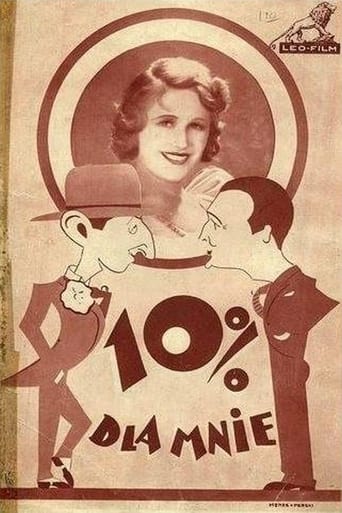
Władysław Walter appears once in this catalog: 10% dla mnie (1933). His career appears to have been brief, with his only documented film credit being in the 1933 Polish production '10% dla mnie' (10% for Me). This period marked a crucial transition in Polish cinema from silent films to talkies, and Walter was part of the generation of actors adapting to the new medium. Unfortunately, detailed records of his career and personal life are scarce, which was common for many supporting actors of this era in Eastern European cinema. His appearance in '10% dla mnie' places him among the early practitioners of sound acting in Poland's developing film industry. The limited documentation of his career suggests he may have been primarily a stage actor or had a very brief film career, which was not uncommon for actors of this period.
The Craft
Milestones
- Appeared in the Polish film '10% dla mnie' (1933) during the early sound era
Best Known For
Must-See Films
Why They Matter
Impact on Culture
Władysław Walter represents the many actors who participated in the early development of Polish sound cinema during the 1930s. While his individual contribution may be minimal due to his brief documented career, he was part of the transitional generation that helped establish the foundation for Poland's film industry during its early sound period. The preservation of his name in film credits, even for a single production, contributes to the historical record of Polish cinema's development during this crucial technological and artistic transition.
Lasting Legacy
Due to the extremely limited documentation of his career, Władysław Walter's legacy is primarily that of being a documented participant in early Polish sound cinema. His appearance in '10% dla mnie' (1933) ensures his place in the historical record of Polish film, representing the many actors who contributed to the country's cinematic development during the early 1930s, even if their careers were brief or their roles minor.
Who They Inspired
There is no documented evidence of Władysław Walter's influence on other actors or directors, which is consistent with his very brief and sparsely documented film career.
Off Screen
Very limited information is available about Władysław Walter's personal life, which is typical for many supporting actors from early 1930s Polish cinema whose careers were brief and not extensively documented.
Did You Know?
- Only known film appearance is in '10% dla mnie' (1933)
- Active during the transitional period from silent to sound cinema in Poland
- Represents one of the many lesser-documented actors from early 1930s Polish cinema
- His career coincided with the early development of Poland's sound film industry
- The scarcity of information about him is typical for many supporting actors of this era in Eastern European cinema
Frequently Asked Questions
Who was Władysław Walter?
Polish with credits in this catalog. He was part of the generation of actors working during the transition from silent to sound cinema in Poland.
What films is Władysław Walter best known for?
Titles linked here include 10% dla mnie (1933).
When was Władysław Walter active in film?
Władysław Walter's documented film activity was limited to 1933, the year '10% dla mnie' was released. This places him in the early sound era of Polish cinema.
What was Władysław Walter's nationality?
Władysław Walter was Polish, as evidenced by his appearance in a Polish film production during the 1930s.
Why is there so little information about Władysław Walter?
The limited information about Władysław Walter is typical for many supporting actors from early 1930s Polish cinema whose careers were brief and not extensively documented. Many records from this period were lost or never thoroughly preserved.