Films
1 film
About Albert Mullens
Early pioneer of cinema during the nascent days of filmmaking in 1905. He is known to have directed at least one short film during this foundational period of motion picture history, when cinema was still experimenting with narrative techniques and visual storytelling. His work emerged during the same era as the Lumière brothers and Georges Méliès, when films were typically short, silent, and often comedic or fantastical in nature. The fact that he was active as a director in 1905 places him among the very first generation of filmmakers who helped establish the language of cinema. Unfortunately, like many early film pioneers, detailed documentation of his life and career has been lost to time, with only fragments of his work surviving in historical records. His contribution to early cinema, while brief, represents part of the foundation upon which the entire film industry would be built.
The Craft
Behind the Camera
Likely employed early silent film techniques typical of 1905, including static camera positions, theatrical acting styles, and simple narrative structures common in the first decade of cinema
Milestones
- Active during the era of silent cinema
- Contributed to early Dutch/French cinema
Best Known For
Must-See Films
Why They Matter
Impact on Culture
As a director working in 1905, Albert Mullens was part of the foundational generation of filmmakers who helped establish cinema as an art form and entertainment medium. During this period, filmmakers were essentially inventing the language of cinema, experimenting with everything from camera placement to narrative structure. While his individual contribution may have been small, the collective work of directors like Mullens in 1905 laid the groundwork for the entire film industry that would follow. His film, with its provocative title suggesting early comedy, represents the type of short, entertaining films that helped popularize cinema in its earliest days.
Lasting Legacy
Albert Mullens' legacy is primarily historical, representing the countless anonymous or little-known pioneers who contributed to cinema's birth. While he may not be remembered alongside famous names like Méliès or the Lumière brothers, his work in 1905 places him among the true innovators who first picked up cameras to tell stories through moving images. The survival of his film title in historical records, even if the film itself may be lost, serves as evidence of the diverse and international nature of early cinema production.
Who They Inspired
Given the extremely early date of his work and the limited documentation available, it's difficult to trace Albert Mullens' direct influence on later filmmakers. However, like all directors working in 1905, he would have contributed to the collective development of cinematic techniques that later filmmakers would build upon and refine.
Off Screen
Very little is known about Albert Mullens' personal life, which is typical for many early film pioneers from the 1900s era. Documentation from this period is often scarce, and many details about early filmmakers' lives have been lost to history.
Did You Know?
- His only known film was made in 1905, placing him among the very first generation of film directors
- The title of his film suggests it was an early comedy, a popular genre in cinema's first decade
- 1905 was only about 10 years after the first public film screenings by the Lumière brothers
- His film references Zandvoort, suggesting Dutch location filming or themes
- The provocative title indicates early cinema's willingness to use humor and mild sensationalism to attract audiences
- Most films from 1905 are now considered lost, making surviving documentation extremely valuable
- Directors from this era often performed multiple roles, including writing, cinematography, and editing
Frequently Asked Questions
Who was Albert Mullens?
Early on YTB.my.' He was part of the generation of filmmakers during cinema's first decade, though little is documented about his life beyond this single film credit.
What films is Albert Mullens best known for?
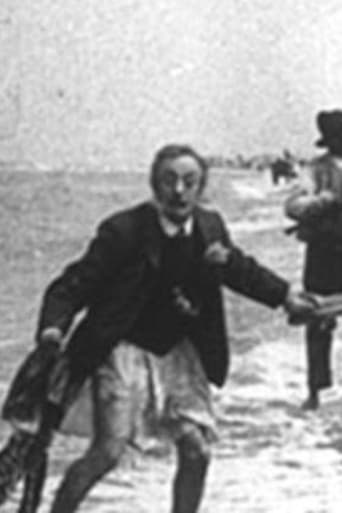
Titles linked here include The Misadventure of a French Gentleman Without Pants at the Zandvoort Beach (1905).
When was Albert Mullens active as a director?
Albert Mullens was active exclusively in 1905, placing him among the first wave of filmmakers in cinema history. This was during the era when motion pictures were still a new and experimental medium.
What was Albert Mullens' directing style?
While specific details about Mullens' directing style are not documented, directors working in 1905 typically used static camera positions, theatrical acting styles, and simple narrative structures. His film's title suggests it was a comedy, which was a popular genre in early cinema.
Why is so little known about Albert Mullens?
Very little is known about Albert Mullens because he worked during cinema's earliest days (1905) when documentation was scarce and many records have been lost to time. Many early film pioneers from this period remain obscure despite their historical importance.